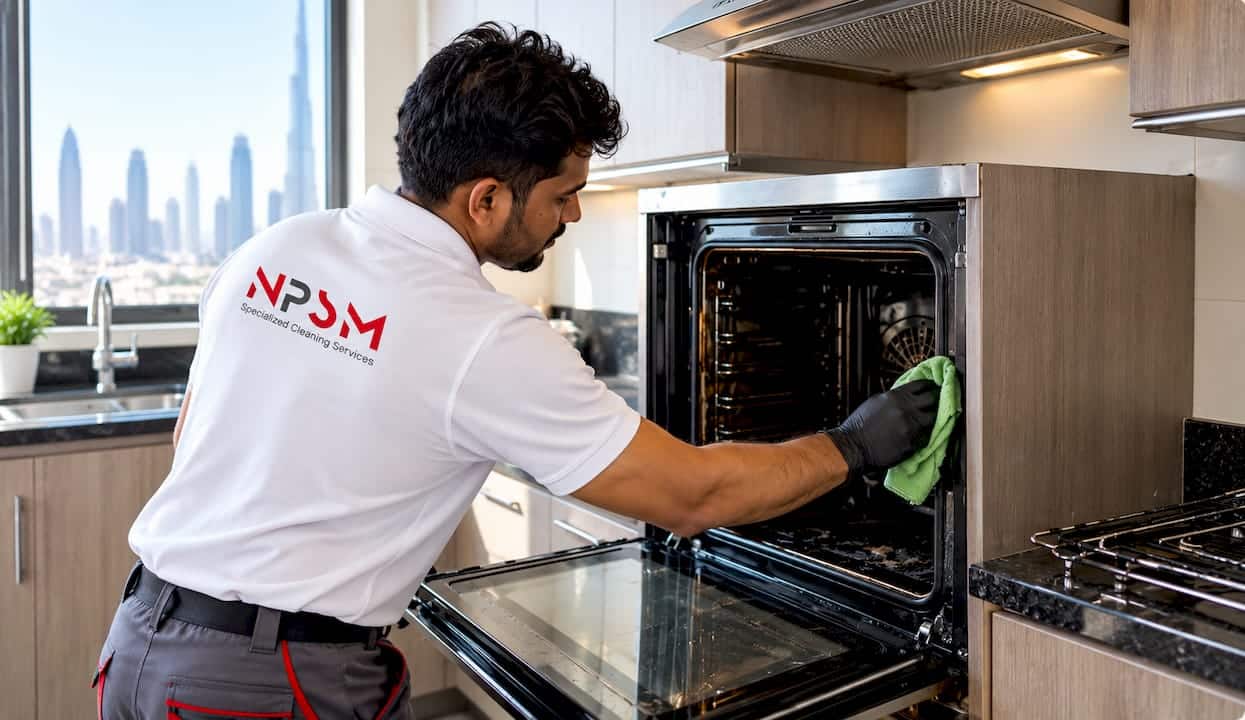
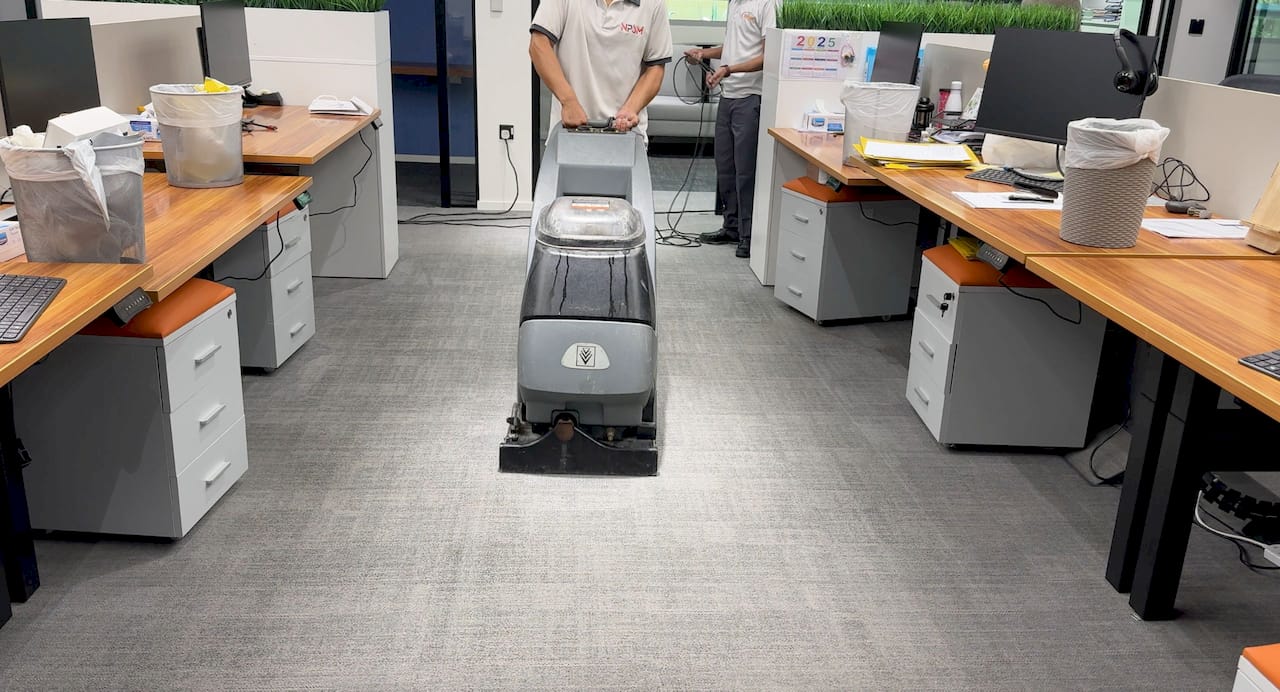
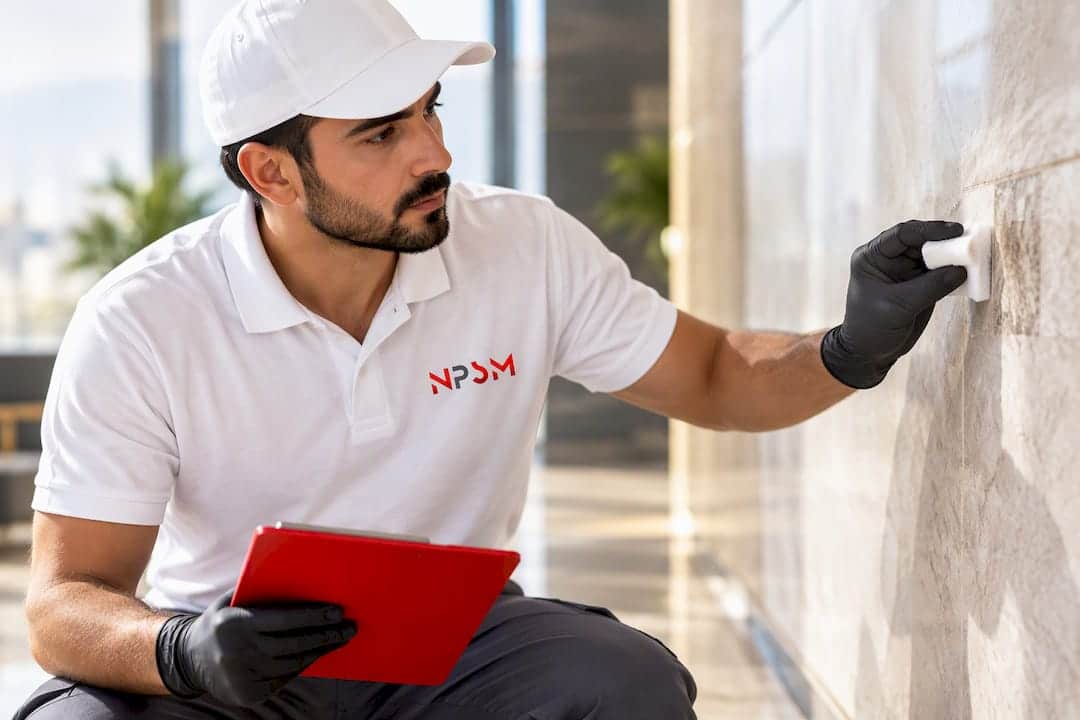
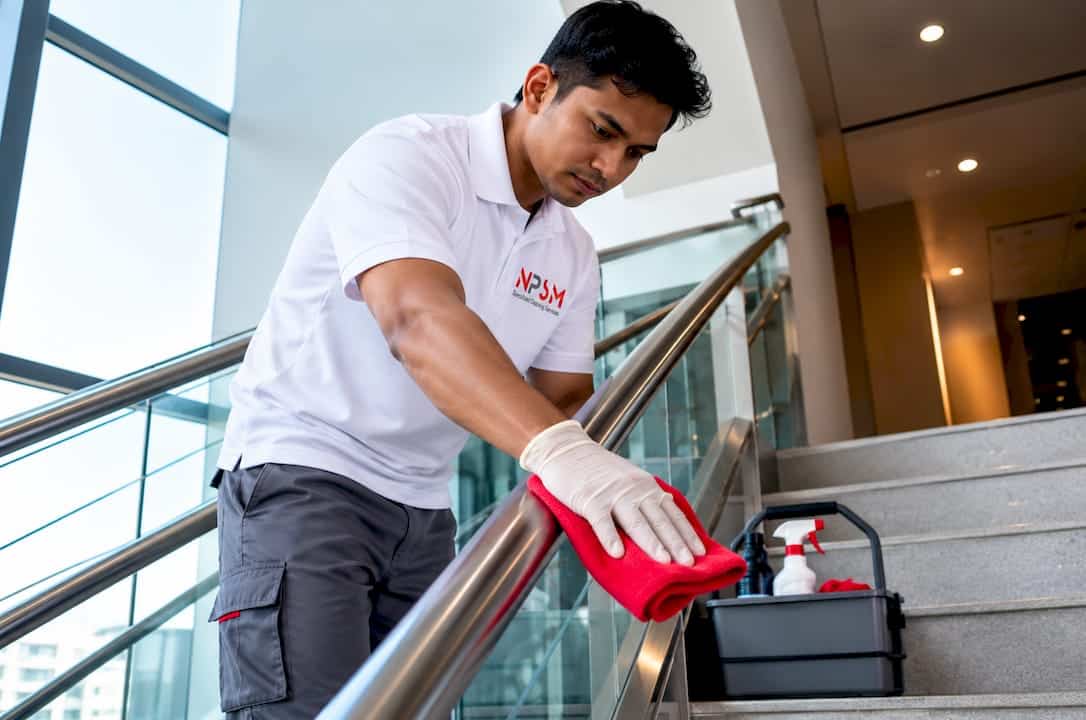
Sanitization lowers germ counts to a level public health standards consider safe for everyday contact, while disinfection uses chemical agents to kill a broader range of bacteria and viruses on a surface. Disinfection is the stronger process and the one you reach for in higher-risk situations. Either way, the surface needs a real cleaning first, because dirt and grime block both processes from working.
TL;DR:
Sanitation lowers germ levels to safe standards, while disinfection uses chemicals to eliminate a broader range of pathogens on surfaces.
Proper cleaning with soap or detergent is essential before applying any sanitizing or disinfecting product, as dirt blocks chemical effectiveness.
Disinfectants like bleach, alcohol, and quats vary in strength, surface compatibility, and contact time requirements, influencing their appropriate use cases.
Higher-risk situations such as illnesses, bodily spills, or clinical environments require disinfecting rather than sanitizing for effective pathogen removal.
Always follow label instructions precisely, including contact time and safety precautions, to ensure disinfectants work effectively and safely.
Specializedcleaning
Keep Your Space Hygienic
Specializedcleaning provides professional cleaning solutions for residential and commercial spaces, including complex hygiene challenges in Dubai.
Cleaning, Sanitizing, Disinfecting, and Sterilizing: What Sets Them Apart
These four words get used almost interchangeably in everyday conversation, but each one describes a distinct level of germ control.
Cleaning removes dirt, dust, and organic matter with soap or detergent and water. It physically lifts debris away but does not necessarily kill pathogens.
Sanitizing reduces bacteria to a level public health standards consider safe, often through cleaning alone or with a mild chemical sanitizer.
Disinfecting uses chemical agents that are tested and registered to kill a wider range of viruses and bacteria, according to the EPA’s distinctions between product categories.
Sterilizing eliminates all forms of microbial life, including spores, and is typically reserved for medical and lab settings.
A kitchen counter usually needs cleaning and occasional sanitizing. A restaurant dish rack needs sanitizing after every wash cycle. A surgical instrument needs full sterilization before it touches a patient. Matching the right level to the right setting is the whole game, and it starts with knowing which word actually applies to the job in front of you.
When Should You Sanitize Instead of Disinfect?
Choosing between the two comes down to risk level, not personal preference.
Routine, low-risk situations call for cleaning or sanitizing: kitchen counters, children’s toys, general floors, and other everyday surfaces where the goal is keeping germ counts low, not eliminating every pathogen.
Higher-risk situations call for disinfecting: when someone in the space is sick, after a bodily fluid spill, in clinical or healthcare-adjacent settings, or around equipment where contamination carries real consequences.
High-touch surfaces need extra attention: door handles, light switches, shared keyboards, and faucet handles pick up germs faster than most surfaces and benefit from more frequent attention regardless of which process you choose.
A good rule of thumb: sanitize for maintenance, disinfect for incidents. If you are reaching for a product because something specific happened (illness, a spill, a known exposure), that is your signal to disinfect rather than simply sanitize.
A Step-by-Step Routine for Cleaning, Then Sanitizing or Disinfecting
Getting this right is less about which product you buy and more about following the sequence correctly.
Begin by eliminating all visible dirt. Use detergent and water to clean away grease, grime, and debris, following the guidelines provided by the Dubai Municipality on cleaning and disinfection. This crucial first step ensures disinfectants can work effectively, as organic material can prevent chemicals from reaching microorganisms.
Select a disinfectant specifically formulated for the pathogens you need to target. Carefully check the product label to verify that the disinfectant is suitable for the germs or viruses present in your environment.
Prepare the disinfectant solution precisely according to the instructions. For routine disinfection outside healthcare environments, the Dubai Municipality advises using a freshly made 0.1% sodium hypochlorite solution (equivalent to one part 5% bleach to 49 parts water).
Ensure the surface remains visibly wet for the entire recommended contact time. Many users prematurely wipe or allow surfaces to dry, which reduces disinfectant effectiveness; reapplication may be needed if the surface dries too soon.
After use, ventilate the area thoroughly and store all chemicals securely. Keep containers tightly closed, away from heat and sunlight, and maintain good airflow by opening windows or using fans.
Pro Tip:Set a timer for the contact time listed on the label instead of guessing. Most people underestimate how long a surface needs to stay wet.
Bleach, Alcohol, and Quats: Strengths and Tradeoffs
Bleach (sodium hypochlorite) offers broad-spectrum killing power at a low cost but can corrode metal, bleach fabric, and discolor finishes, so it works best on hard, non-porous surfaces that can tolerate it.
Alcohol (around 70%) acts quickly on small, non-porous areas like doorknobs or phone screens, but it evaporates fast, which can cut the contact time short before the product finishes working.
Quaternary ammonium compounds (quats) are more stable and less corrosive than bleach, making them common in offices and upholstered spaces, though they have a narrower range of activity and can be inactivated by residue from certain soaps or hard water.
Even the strongest disinfectant only works within its tested conditions, which is why the EPA’s registered product guidance ties every disinfectant claim to specific label directions rather than general assumptions. Checking the label against your surface and target organism matters more than brand loyalty.
Reading the Label: Safety Rules That Actually Matter
Misusing disinfectants creates real hazards, from chemical burns to toxic fumes, so a few habits make a measurable difference.
Never mix chemicals, especially bleach and ammonia-based cleaners, which produce dangerous gas when combined.
Ventilate the space by opening windows or running exhaust fans while using any chemical disinfectant.
Wear gloves and eye protection when the label recommends it, particularly with concentrated solutions.
Follow the label’s contact time, target organisms, and surface compatibility notes rather than assuming one product works everywhere.
Avoid large-scale spraying or fogging in public spaces, a practice WHO specifically advises against, and never spray disinfectant directly on people.
How Professionals Handle the Harder Jobs
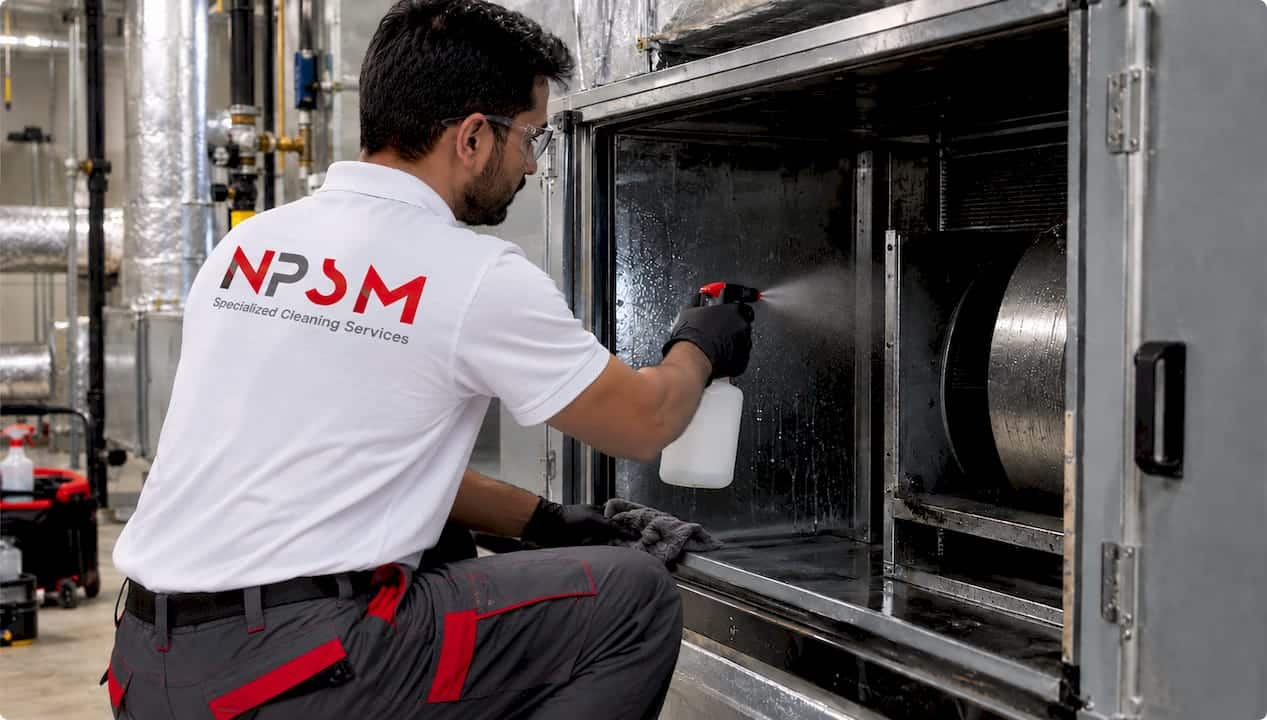
The clean-then-disinfect sequence gets more demanding once the surfaces are complex systems rather than countertops. HVAC ductwork, data center equipment, and water tanks each carry their own material-compatibility and airflow considerations that make guesswork risky. Our teams handle HVAC duct cleaning and data center cleaning with dilution protocols and contact-time controls matched to sensitive equipment, and we apply the same discipline to water tank cleaning and disinfection. With over 15 years in the field and licensed staff, we know when a job has moved past what a bottle of spray and a paper towel can safely handle, and post-construction sites fall into that category too, which is why deep cleaning services exist as a separate category of work.
Our Take on Chasing a Germ-Free Space
Nobody’s home or office is ever truly sterile, and chasing that standard in daily life wastes time and money. The realistic goal is risk reduction: clean consistently, sanitize the everyday surfaces, and reserve disinfection for the moments that actually call for it. Professional help earns its cost once the system gets complex or the stakes get high. Commit to cleaning first and reading the label every time, and you are already ahead of most routines we see.
— Qadir
FAQ
What is the difference between sterilization, disinfection, and sanitization?
Sterilization eliminates all microbial life including spores, disinfection kills a broad range of bacteria and viruses on surfaces, and sanitization lowers germ counts to a level considered safe by public health standards. Sterilization is reserved for medical and lab equipment, while the other two apply to everyday surfaces.
What is the difference between disinfection and sterilization?
Disinfection kills most harmful bacteria and viruses but does not necessarily destroy every microorganism, including resistant spores. Sterilization is a more intense process that eliminates all microbial life, which is why it is required for surgical instruments rather than countertops.
Do you disinfect or sanitize first?
Neither comes first: cleaning always comes before either one, because dirt and organic residue block chemicals from reaching germs effectively. Once a surface is visibly clean, you choose sanitizing for routine upkeep or disinfecting for higher-risk situations, never the chemical step before the clean.
What is the difference between sanitizing and sterilizing?
Sanitizing reduces germ counts to a safe level for everyday settings like kitchens and dish racks, while sterilizing removes all microbial life entirely, including spores. Sterilizing is a far more rigorous process, typically requiring heat or specialized equipment found in medical and lab environments.
If your vinyl floor has built-up finish, scuffing, or a dull haze, the fastest reliable fix is a diluted chemical stripper paired with a low-speed machine scrub. For factory-finish LVT or LVP, skip stripping altogether: routine cleaning or a light top-scrub handles it. We walk through both paths below, including when the job calls for a professional crew instead of a weekend project.
TL;DR:
Vinyl floors with heavy wax buildup, flaking finish, or deep scuffing require chemical stripping and low-speed scrubbing, while factory-finish floors rarely need it.
Proper stripping involves applying a diluted stripper, keeping it wet during scrubbing, rinsing multiple times, and confirming pH neutrality before recoating.
Recent installations or floors with damaged adhesive or loose tiles should be repaired or removed before considering finish stripping.
Skipping rinsing or using aggressive, no-rinse stripper formulas on new floors risks damaging adhesives or subfloor integrity.
Professional restoration is recommended for large areas, old adhesive residues, or when extensive damage requires specialized equipment and waste management.
Specializedcleaning
specializedcleaning.ae
Restore Your Vinyl Floors Safely
Specializedcleaning combines experienced professionals and specialized equipment for complex floor cleaning challenges in Dubai homes and businesses.
Not every dull or scuffed vinyl floor needs stripping. Check for these signs first, because stripping the wrong floor type wastes time and can damage the surface.
Wax or finish buildup: a yellowish, sticky film or uneven sheen across the floor signals old finish layers that need removing.
Scuffing and traffic wear: dark scuff marks that won’t lift with regular mopping usually mean the topical finish is worn through.
Flaking or peeling finish: patches where the coating lifts at the edges call for a full strip rather than a spot fix.
Factory-finish LVT/LVP: many luxury vinyl products carry a factory-applied UV-cured urethane finish that doesn’t require an additional floor finish, so stripping or waxing it can create more maintenance problems than it solves.
New installations: floors installed recently need a cure window before any wet stripping, which we cover later.
To identify your vinyl type, check the manufacturer’s installation paperwork or test a small, hidden area with a neutral cleaner. If a light scrub restores shine without chemical stripper, you’re likely dealing with a factory finish that never needed stripping in the first place.
How do you strip and recoat a vinyl floor finish?
Stripping is a wet, multi-step process, and skipping steps is the most common reason floors end up hazy, slippery, or damaged. Follow this sequence for vinyl composition tile (VCT) or sheet vinyl with a site-applied finish.
Prep the space. Clear furniture, post wet-floor signage, open windows or run fans for ventilation, and test your stripper on a hidden corner first.
Mix the stripper. Dilute according to buildup level. Manufacturer guidance for VCT and resilient floors recommends adjusting stripping solution strength to the amount of finish buildup, using a stronger mix for heavy wax layers and a lighter mix for routine maintenance.
Apply and keep wet. Spread the solution evenly and keep it wet while scrubbing. Letting it dry on the floor lets dissolved finish re-bond to the surface.
Scrub with a low-speed machine. Use a rotary machine or auto-scrubber at roughly 175 to 350 rpm, matching whatever the manufacturer’s maintenance instructions specify. Pair it with the right pad: a red pad for light scrubbing, a blue pad for deeper buildup, since high-speed pads or aggressive abrasives can damage the vinyl surface.
Wet-vacuum the slurry. Pick up the dissolved finish immediately so it doesn’t dry back onto the tile.
Rinse multiple times. Run at least two to three clean-water rinse passes. Incomplete rinsing leaves alkaline residue that causes new finish to fail or haze over.
Check for neutrality. A quick pH check on the rinse water confirms no stripper residue remains before you recoat.
Dispose of slurry responsibly. Stripper slurry contains dissolved finish and chemical residue, so follow local wastewater disposal rules rather than pouring it down a storm drain.
Most commercial floor strippers, including 3M’s floor stripper concentrate, call for a 5 to 10 minute dwell time before scrubbing begins, and that window matters: pulling the machine too early leaves finish behind, while letting it sit too long on certain vinyl types risks surface damage.
Pro Tip:Work in small sections, manageable in size at a time, so the stripper never dries out before you scrub and rinse it.
Avoid aggressive, no-rinse strippers on any recently installed floors. These formulations can compromise adhesive bonds on newer VCT, leading to lifted or curling tiles that are far more expensive to fix than the original finish problem.
When finish stripping isn’t enough: tiles and adhesive
Sometimes the problem isn’t the finish at all. Loose tiles, hardened adhesive ridges, or visible substrate damage mean you’ve moved past stripping into removal territory.
Loose or lifting tiles: tap each tile with a knuckle; a hollow sound means the adhesive has failed and stripping won’t fix it.
Hardened adhesive residue: old adhesive left after tile removal often needs manual scraping or a heat gun to soften it before lifting.
Solvent-based adhesive removers: these work but require careful ventilation and should never be combined with aggressive strippers on the same pass.
Structural or subfloor damage: cracked, uneven, or moisture-damaged substrate is a stop sign. Pause and bring in a flooring professional before continuing, since grinding or improper removal can make subfloor problems worse.
Manufacturer timing rules and recoating guidance
Manufacturer instructions exist for a reason, and ignoring them is the fastest way to void a warranty or ruin a new installation.
Factory-finish LVT/LVP generally doesn’t need a site-applied finish at all, and applying wax on top can cause yellowing or a hazy film that’s hard to remove later.
Avoid wet-washing or stripping within the first five days after installation to let adhesive set properly.
On floors younger than two years, stick to milder stripping solutions rather than aggressive, no-rinse formulas that risk loosening the bond underneath.
After stripping, rinse thoroughly and confirm pH neutrality before recoating. Incomplete rinsing is the single most common cause of new finish failing to bond properly, according to Flexco’s LVT maintenance guidance.
If you do apply a site finish, plan on 3 to 5 thin coats, letting each dry fully, rather than one thick layer that dries unevenly or stays tacky.
Professional reality check: when to call in a restoration team
DIY stripping works well for a small kitchen or a single apartment unit. It stops working well once the job involves heavy buildup across a large footprint, old adhesive from a prior tenant, a tight turnaround between tenants, or a commercial fit-out where MEP systems need isolating before any wet work starts.
Scale and downtime: a property manager handling multiple units can’t always afford the drying and cure windows that careful DIY stripping demands.
Graded pad strategy: professional crews match pad grade and machine speed to each specific floor section rather than using one setting throughout.
Multi-pass rinse verification: trained teams check pH and visually inspect rinse water before moving to recoating, catching residue issues a homeowner might miss.
Waste handling: slurry disposal and site cleanup follow a documented process rather than guesswork.
Our team at Specialized Cleaning brings licensed staff and same-day consultations to floor restoration jobs that have outgrown a weekend DIY project.
Pro Tip:If a quote doesn’t separate stripping, adhesive remediation, and disposal into line items, ask for a revised breakdown before signing.
Practical habits that cut down repeat stripping
A little daily discipline stretches the life of any vinyl finish and means fewer full strip-and-recoat cycles over time.
Use neutral pH cleaners for routine mopping, never abrasive household detergents that dull the finish over time.
Put walk-off mats at every entrance to cut down on grit that scratches the surface.
Match your maintenance schedule to traffic: high-traffic commercial floors may need a top-scrub-and-recoat every few months, while a quiet bedroom floor can go much longer.
Request itemized quotes from any contractor, and treat a single lump-sum price with no breakdown as a red flag.
How we can help: professional stripping, restoration, and polishing
When a vinyl floor needs more than a weekend of elbow grease, our floor restoration team handles inspection, safe stripping, adhesive remediation, and final polishing as one job, not a guessing game split across separate contractors.
We offer free consultations and same-day scheduling for homes and businesses that need a straight answer on scope and timing. To get a quote, have your floor type, approximate square footage, a few photos of the problem areas, and any known issues like loose tiles ready. Reach out through our Floors Restoration & Polishing page, and our team will walk you through next steps.
FAQ
What is the best way to strip vinyl floors?
The most reliable approach combines a manufacturer-recommended chemical stripper with a low-speed floor machine, keeping the solution wet while scrubbing and following with a wet vacuum and multiple clean-water rinses. Skipping the rinse step is the most common cause of a failed recoat.
How much does it cost to strip and seal vinyl floors?
Pricing depends on floor type, area, and whether adhesive or tile damage is involved, so costs vary too widely to quote a single figure here. For an accurate number, request an itemized quote that separates stripping, rinsing, and recoating from any adhesive or substrate repair work.
Can vinyl floors be refinished?
Yes, vinyl composition tile and sheet vinyl with a worn site-applied finish can be stripped and recoated successfully using the manufacturer’s dilution and rinse instructions. Factory-finish LVT or LVP generally doesn’t need refinishing at all since the factory coating is designed to last without a topical layer.
Do vinyl floors need to be waxed?
Most modern LVT and LVP floors carry a factory-applied urethane finish that doesn’t require wax or an additional sealer, and adding wax can actually cause yellowing or haze. Older VCT or sheet vinyl without a factory finish may still benefit from periodic waxing and stripping as part of routine maintenance.
A professional deep-cleaning checklist is the contractor’s scope of work: it spells out the exact tasks, equipment, disinfectants, and acceptance criteria a provider agrees to deliver. The strongest checklists cover high-touch disinfection, floor and carpet deep work, grout and stone care, kitchen exhaust and HVAC options, and supporting documents like insurance and safety data sheets. Before signing anything, ask for that scope in writing, along with proof of licensing.
TL;DR:
Deep-cleaning scope should include high-touch disinfection with proper dwell times, surface-specific floor protocols, and dedicated tools for each zone, with documentation like SDS and insurance.
The checklist must be detailed room-by-room, covering entry points, offices, kitchens, restrooms, floors, and mechanical areas, with photo proof recommended for larger sites.
Specialty services such as floor polishing, grout restoration, facade cleaning, and ductwork are typically quoted separately due to equipment, time, and permit requirements.
Contractors must provide proof of licensing, insurance, and approved disinfectants before work, with clear acceptance criteria and regular review schedules.
On the day of cleaning, staff follow a predictable sequence, maintain safety protocols, and conduct a final walkthrough to ensure scope completion, with proper drying and ventilation.
Specializedcleaning
Get Your Deep Cleaning Scope Right
Specializedcleaning provides professional deep cleaning in Dubai for residential and commercial spaces, supported by experienced staff and specialized equipment.
1. What a professional deep-cleaning checklist should include
A deep clean is not a longer version of routine cleaning. It is a defined set of tasks with its own products, timing, and sign-off criteria, and a contractor’s written scope should show all of it. The Green Seal Cleaning Services Guidebook recommends separating routine, periodic, interim, and restorative work in the schedule itself, so a client can see exactly what “deep clean” covers versus what gets billed separately.
A complete contractor checklist generally includes:
High-touch disinfection of door handles, switches, railings, and shared equipment, applied with the correct dwell time for each product.
Floor protocols matched to surface type: vacuuming and extraction for carpet, wet mopping or steam for hard floors, with polishing treated as a separate restorative service.
Restroom and kitchen deep cleaning done in sequence, using dedicated tools for each zone rather than shared mops and cloths.
Carpet and upholstery cleaning with a stated drying window, since trapped moisture undermines the whole job.
Supporting paperwork: safety data sheets (SDS) for every disinfectant, an equipment list, proof of insurance, and staff identification.
The Green Seal guide also recommends uploading an SDS for every registered disinfectant used on an account, which gives building managers a paper trail if anyone raises an allergy or compliance question later. We treat that documentation requirement as a baseline, not an upsell, when we put together a deep cleaning services scope for a home or office.
2. A room-by-room checklist you can hand to any contractor
A written scope is only useful if it tells you what happens in each part of the property. Walking through the space area by area, before work starts, gives both sides a shared reference point and something concrete to check against at handover.
Entrance and reception: mats shaken or extracted, glass doors and partitions cleaned streak-free, touchpoints disinfected, and floors treated according to their material.
Offices and meeting rooms: dusting done high to low (ceiling vents and light fixtures before desks and skirting), with electronics wiped using equipment-safe products rather than general-purpose sprays.
Kitchens and pantries: hoods and exhaust surfaces degreased, countertops and backsplashes sanitized, and appliances pulled out or opened to clean behind and underneath them.
Restrooms: high-touch surfaces disinfected, drain traps cleared, moisture controlled to limit mold growth, and tools kept exclusive to that zone to avoid cross-contamination.
Floors and carpets: method matched to surface (extraction, steam, dry buffing) with a stated drying time before the area returns to normal use.
Mechanical and service areas: duct access points identified for HVAC work, and water tank cleaning scheduled with the correct safety steps and permits, since this touches the building’s water supply.
A partner resource on move-in cleaning checklists echoes this room-by-room structure and adds a useful habit: photo documentation of each area before and after, which gives both parties proof of what was actually done. For larger or mixed-use sites, a building cleaning checklist for high-rises shows how the same logic scales to multiple floors and shared common areas.
3. Specialty services and exclusions you should expect to see quoted separately
Not every item in a cleaning conversation belongs inside a standard deep-clean quote. Some tasks require different equipment, more time, or specific permits, which is why reputable contractors price them on their own line rather than folding them into a flat deep-clean rate.
Items usually quoted separately include:
Floor polishing and restoration, including marble, vinyl, and wood, which need curing time and specialized machines.
Grout and tile restoration, since discoloration often requires mechanical abrasion rather than standard cleaning.
Facade and high-rise exterior cleaning, which involves access equipment and safety permits.
Data center cleaning, where static-safe tools and strict airflow controls are non-negotiable.
HVAC duct deep work, covered in our guide to HVAC duct cleaning, which requires duct access and containment to avoid spreading debris.
Most contracts also exclude stain guarantees on pre-existing damage and the handling of hazardous materials outside a technician’s training. If a quote looks unusually low, check what it has left out before assuming it is unusually good value.
Pro Tip:Ask for floor restoration and duct cleaning to be itemized on separate lines, even if you plan to book them together, so you know exactly what each service costs and covers.
If your project follows construction work, the line between a standard deep clean and post-construction cleaning matters even more, since dust and debris loads are far heavier.
4. How contractors tailor scope, and what to confirm before you sign
A good scope is never generic. It should reflect your specific building, its traffic patterns, and any special-use areas like server rooms or commercial kitchens. The BSCAI Cleaning & Disinfecting SOW Guide stresses planning for vulnerable occupants and documenting the schedule and procedures clearly, rather than relying on a verbal agreement.
Before you sign a contract, confirm:
A building-specific scope that separates routine, periodic, and restorative tasks, with a stated frequency for each.
Proof of Dubai Municipality (DM) external approval and a valid trade license, plus public liability insurance.
Staffing details including language, training, PPE provisions, and equipment maintenance schedules.
Clear acceptance criteria: a sign-off checklist, photo proof of completed work, a rework policy, and payment milestones tied to delivery.
Both Green Seal and BSCAI recommend reviewing cleaning schedules at least twice a year to account for seasonal changes, occupancy shifts, or special events, according to the Green Seal guidebook. A contractor who builds that review into the contract from the start is telling you something useful about how they operate.
KPM Global also flags the warning signs worth watching for: no DM approval on file, unapproved chemicals in use, or no public liability insurance. Any one of these should pause the conversation until the contractor clears it up.
5. What to expect on the day of the deep clean
Knowing the sequence in advance keeps the day predictable for everyone, from staff check-in to the final walkthrough.
Arrival and setup: staff check in with ID, insurance documents are available on request, and equipment is staged by zone before work begins.
Work sequence: homes typically run top-to-bottom and back-to-front in a single pass, while offices and warehouses often work zone by zone to keep part of the space usable.
Safety during disinfection: cordons go up around wet or treated areas, occupants are asked to stay clear while dwell times run, and staff wear the PPE appropriate to the chemicals in use.
Aftercare and sign-off: floors and carpets get a stated drying window, spaces are ventilated before reoccupation, and a final checklist walkthrough confirms the work against the agreed scope, with a short rework window if something was missed.
6. What experience teaches about getting the checklist right
After years of running deep cleans across homes, offices, and specialized facilities, we have learned that the checklist matters less than how consistently it gets followed. Indoor air quality, equipment integrity, and the correct chemical for the surface in front of us take priority over speed, especially on complex jobs like HVAC ducts or data center floors, where a wrong product can damage equipment rather than protect it.
We bring extensive experience to that balance, pairing trained staff with equipment built specifically for HVAC and data center environments. Same-day scheduling exists because buildings do not wait for ideal timing, and documented sign-offs on every job give clients proof that the scope we agreed on is the scope we delivered.
— Qadir
Get a written scope and book your deep clean
We put every deep-cleaning job in writing before we start: the tasks, the products, the timeline, and the sign-off criteria, so there are no surprises at handover. If you want a scope built around your specific property rather than a generic package, we offer consultations and scheduling options.
When you request a quote, ask for:
A site visit before pricing, not a flat quote based on square footage alone.
An itemized task list covering every area you expect to be touched.
A clear wet-to-dry sequence so floors and surfaces have proper drying time.
Proof of insurance and licensing included with the proposal.
Browse our deep cleaning services page to see current packages, or reach out directly to request a tailored scope for your home or business.
FAQ
What should be included in a professional deep-cleaning checklist?
A professional checklist covers high-touch disinfection, floor and carpet care matched to surface type, kitchen and restroom deep cleaning with dedicated tools, and documentation like SDS sheets and insurance proof. Restorative work such as floor polishing or duct cleaning is typically listed and priced separately.
How is deep cleaning different from a standard clean?
Standard cleaning maintains a space day to day, while deep cleaning reaches areas routine service skips, like behind appliances, inside vents, and grout lines. The Green Seal guidebook frames this as the difference between routine and periodic or restorative cleaning tiers.
What documents should a cleaning contractor provide before starting work?
A reliable contractor should provide a trade license, proof of Dubai Municipality external approval, public liability insurance, and SDS sheets for any disinfectants used, as outlined in guidance on Dubai cleaning company licenses. Staff identification should also be available on request.
Are HVAC duct cleaning and data center cleaning part of a standard deep clean?
No, these are specialist services quoted separately because they require specific equipment, containment procedures, and sometimes permits. Our HVAC duct cleaning guide explains why this work is handled as its own scope item rather than folded into a general deep clean.
What red flags suggest a cleaning contractor isn’t properly licensed?
Warning signs include no Dubai Municipality approval on file, use of unlabeled or unapproved chemicals, and no public liability insurance, according to KPM Global’s licensing guidance. Any contractor unwilling to share these documents before the job starts is worth questioning further.
Most homes need professional duct cleaning every 1 to 2 Year under normal conditions, but that baseline shifts fast. Pets, smokers, allergy sufferers, mold events, and recent renovations can all push the right interval down to one or two years, or trigger an immediate inspection. Before locking in a schedule, we recommend an inspection to confirm what your ducts actually need rather than guessing.
TL;DR:
Households with pets, smokers, or allergy sufferers should inspect and clean ducts every one to two years rather than following the standard three to five-year schedule.
Visible signs such as dust buildup, mold, or persistent odors indicate an immediate need for professional duct assessment, regardless of last cleaning date.
Duct cleaning that skips coils, blowers, and other components can lead to rapid recontamination, highlighting the importance of comprehensive system scope.
Routine preventive maintenance, including filter replacement and coil cleaning, can often replace scheduled deep cleaning unless inspection finds contamination or buildup.
Choosing a contractor with NADCA membership, camera inspection, and clear scope documentation ensures effective cleaning and minimizes unnecessary work.
Specializedcleaning
specializedcleaning.ae
Check Your Ducts Before Cleaning
Specializedcleaning provides professional HVAC duct cleaning in Dubai, using specialized equipment to address complex cleaning challenges.
Once you know your baseline risk level, the schedule below helps you map it to an actual calendar.
For a typical home with decent filtration, low dust exposure, and no smokers or pets, the 1 to 2 year baseline holds up well. Outside that profile, intervals compress quickly:
Pets, renters, or high-dust homes: every 1 to 2 years
Allergy or asthma sensitivity among occupants: annually, or sooner if symptoms worsen
After mold discovery, water intrusion, or flooding: immediate assessment, cleaning likely
During or right after renovation or construction: cleaning before the system runs regularly again
High-occupancy or commercial buildings: inspection on a fixed schedule, cleaning as findings dictate
A short list of triggers tells you to move up your timeline regardless of when you last had the ducts done:
A household member develops new or worsening respiratory symptoms
Visible mold or standing water appears near the air handler or ducts
Construction dust has settled into the system
A new pet or smoker has joined the household
Dust returns heavily within weeks of a filter change
In dust-prone climates or buildings with frequent nearby construction, property managers often move from the 3 to 5 year baseline to annual inspections with cleaning every 1 to 2 years for high-occupancy units.
What factors push you toward more frequent cleaning?
Not every household faces the same risk, so it helps to weigh each factor against your own conditions before deciding to accelerate.
Pets and dander: Shedding animals add hair, dander, and debris to the system continuously; homes with multiple pets or heavy shedders often warrant a 1 to 2 year cadence instead of the default baseline.
Allergies or asthma: When symptoms track closely with time spent near running HVAC, it’s worth looping in a clinician and shortening the inspection interval rather than waiting out a fixed schedule.
Mold or moisture events: A leak, flood, or persistent humidity problem calls for inspection right away, since ducts can become a reservoir for microbial growth once moisture is present.
Post-construction dust: Drywall dust, sawdust, and debris from renovation work settle deep into ductwork and rarely clear out on their own.
High occupancy or commercial use: More people moving through a space means more airborne particulate load, which justifies more frequent inspection even if cleaning itself stays on a longer cycle.
Pro Tip:Keep a simple log of filter changes, symptoms, and any water or construction events near your HVAC system. It turns a guess into a documented decision.
What are the warning signs you need duct cleaning now?
Some signals don’t wait for a scheduled inspection. Watch for these:
Visible dust, debris, or dark buildup at supply and return registers
A persistent musty or stale odor that appears only when the HVAC system runs
Allergy or respiratory symptoms that intensify specifically when the system is active
Visible mold growth, water staining, or signs of pests inside accessible duct sections
Dust returning heavily within weeks of a fresh filter or recent cleaning
Any one of these is reason enough to request a professional assessment rather than waiting for the next calendar milestone.
What does professional duct cleaning actually cover?
A proper job treats the HVAC system as a whole, not just the visible duct runs. NADCA’s recommended scope includes:
Supply and return ductwork
Coils, drain pans, and the blower assembly
Registers, grilles, and diffusers
Continuous negative-pressure containment during the work
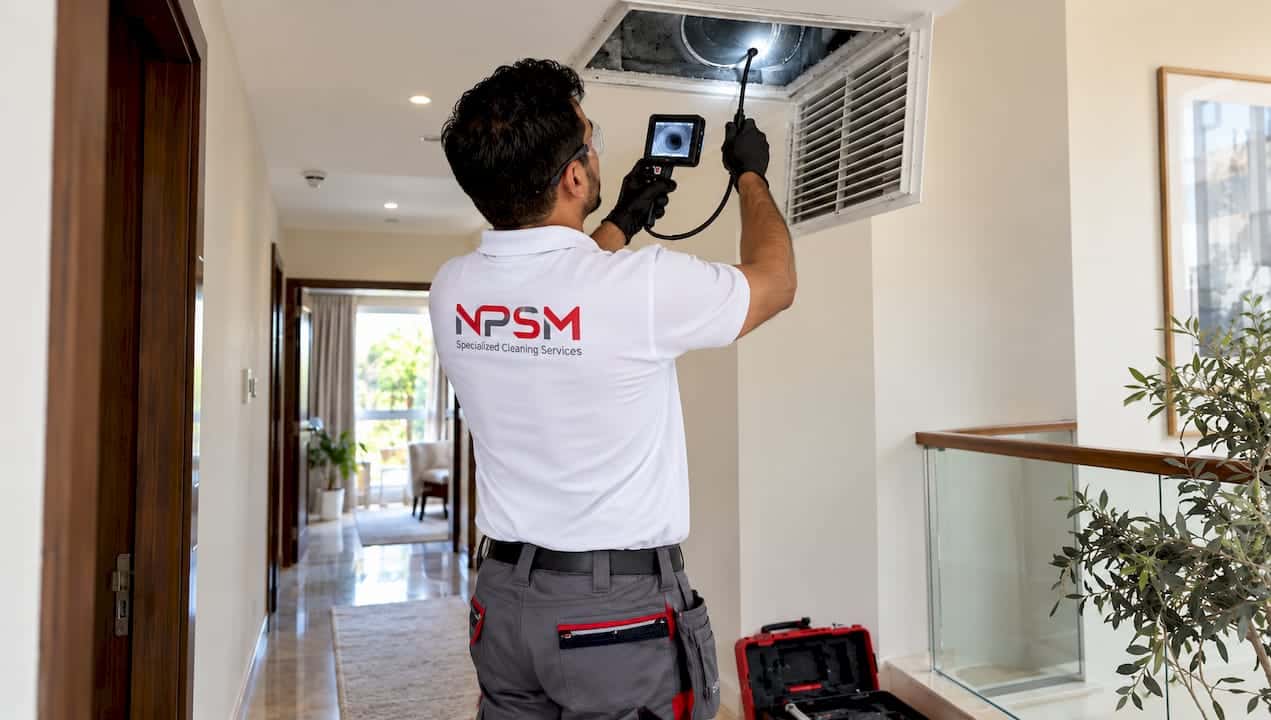
Technicians typically combine mechanical agitation with negative-pressure vacuuming, often verifying results with a camera inspection before and after. Cleaning only the visible ducts while skipping the coils and blower is a common shortcut that leads to fast recontamination, since those components recirculate whatever was missed. Ask for before-and-after photos, camera footage, and an invoice that itemizes exactly which components were serviced. Our guide to HVAC duct cleaning services walks through this scope in more detail if you want the full picture before booking anything.
Can preventive maintenance replace full duct cleaning?
In many cases, yes. A documented maintenance routine often does more for air quality than waiting for a calendar-based cleaning:
Replace filters on a fixed schedule and choose a MERV rating suited to your household’s sensitivity level
Keep coils and drain pans clean to prevent the microbial growth that eventually spreads into ductwork
Follow ASHRAE’s inspection-driven maintenance guidance, which recommends monthly walk-through checks and semiannual tasks timed to seasonal system start-up
Escalate to full cleaning only when an inspection finds contamination, not simply because a number of years has passed
A well-documented preventive maintenance plan that covers filters, coils, and moisture control frequently proves more cost-effective than routine duct cleaning on a fixed timer. The ASHRAE/ACCA Standard 180 framework backs this inspection-first approach rather than treating cleaning as automatic.
How do you choose a qualified duct-cleaning contractor?
Once an inspection confirms you need cleaning, the contractor you choose determines whether the work actually solves the problem.
Confirm NADCA membership or an equivalent credential, and ask whether camera inspection is included before and after the job
Request a written scope that names every component serviced: ducts, coils, blower, registers, and drain pans
Verify the method includes continuous negative-pressure collection, not just a shop-vac pass through the registers
Ask for proof of insurance, references, and sample before-and-after media from past jobs
Pro Tip:Treat a flat quote offered without any inspection as a red flag. So are guarantees of specific energy savings. Reputable contractors assess before they price.
Why Dubai conditions change the maintenance math
Dust storms and nearby construction can push households well past the standard 3 to 5 year baseline for duct cleaning. Frequent dust events and ongoing building work are common accelerators here. Keeping dated photos and invoices from every inspection makes future decisions faster and better documented.
Our take: stop scheduling by the calendar
The calendar is the wrong tool for this decision. A fixed 3 to 5 year rule works only when nothing in the household has changed, and most homes change constantly: a pet joins the family, a renovation kicks up dust, a child develops seasonal allergies. The conventional advice treats duct cleaning like an oil change, due on a timer, when it behaves more like a dental checkup: necessary when there’s evidence of a problem, wasteful when there isn’t.
What the evidence actually supports is inspection-led decision-making. The NIH/DOHS fact sheet is blunt about this: ducts can become contaminated, but proof that routine cleaning reliably improves health or air quality is mixed. That’s not an argument against cleaning. It’s an argument against cleaning on a fixed schedule instead of in response to actual findings.
If you take one thing from this, prioritize a visual or camera inspection over guessing from a wall calendar. It costs less, tells you more, and keeps you from paying for work your system doesn’t need yet.
— Qadir
Ready for an inspection-led duct cleaning?
If an inspection points to contamination, dust buildup, or recontamination risk around your coils and blower, a full scope cleaning is recommended rather than a partial job.
Whatever contractor you choose, insist on a camera inspection, a written scope covering the whole system, and proof of insurance. We provide all three as standard practice, and our technicians document before-and-after conditions so you have a record for future decisions. You can review our full HVAC duct cleaning service details and request a consultation whenever you’re ready to move from guesswork to an inspection-based plan.
FAQ
How do I know if my ducts need cleaning?
Look for visible dust or debris at the registers, a musty odor that appears only when the HVAC system runs, or allergy symptoms that worsen specifically during operation. Visible mold, water staining, or pest evidence inside accessible duct sections are also clear signals that an inspection is overdue.
What time of year should you get your ducts cleaned?
There’s no universal season requirement, since the right timing follows inspection findings rather than the calendar. Many property managers schedule inspections ahead of peak cooling or heating season so any cleaning happens before the system runs at full capacity.
What health problems can dirty air ducts cause?
Contaminated ducts can act as a reservoir for microbial growth, which may contribute to allergy or respiratory symptoms in sensitive occupants. The same source notes that evidence linking routine cleaning to consistent health improvements is mixed, so symptoms are better treated as a sign to inspect rather than proof of a specific illness.
Does cleaning air ducts really make a difference?
It can, when cleaning addresses a confirmed problem like mold, heavy dust, or post-construction debris, and when the job covers the whole system rather than just the visible ducts. A partial cleaning that skips the coils and blower tends to see dust and contaminants return quickly, which is why scope matters as much as the decision to clean at all.
Getting your deposit back typically comes down to two things: a thorough, landlord-ready clean of every room and settling your final utility accounts before handover. This guide gives you a printable move out cleaning checklist, room-by-room steps, safety rules for cleaning chemicals, and the administrative tasks that keep disputes off the table.
TL;DR:
A thorough kitchen clean should prioritize degreasing the stovetop, cleaning the oven interior, and wiping down cabinets and appliances, especially the extractor hood and filters.
Bathroom cleaning must focus on disinfecting toilets, tubs, and grout lines, with descaling taps and removing soap scum, while flagging pre-existing issues to the landlord.
Carpets in bedrooms and living areas need vacuuming, and carpet shampooing is advisable for stains or odors, with walls and fixtures wiped or dusted, especially behind furniture.
Use pH-neutral cleaners for marble and polished stone floors, and consider professional polishing for floors or surfaces showing wear or permanent gray stains.
The cleaning supplies kit should include microfiber cloths, brushes, degreasers, multi-surface cleaners, bleach, gloves, and eye protection, with attention to safety rules when handling chemicals.
Specializedcleaning
Make Move Out Cleaning Easier
Specializedcleaning provides professional residential cleaning in Dubai for move out handovers and thorough property cleaning needs.
Living areas and balcony: swept floors, wiped windows and sills, removed cobwebs from corners and ceilings.
Final admin: meter readings recorded, photos taken of every room, receipts saved, keys and access cards ready.
Finish with a short walk-through: open every cabinet and drawer one more time, check behind doors for marks, and confirm nothing was left behind before you lock up.
Detailed kitchen cleaning tasks landlords check
The kitchen draws the closest scrutiny during a move-out inspection, mostly because grease and food residue build up in places tenants forget.
Empty and wipe down every cabinet and drawer, then remove any adhesive shelf liner or sticker residue with warm water and a plastic scraper.
Degrease the stovetop, clean the oven interior and trays, and wipe the extractor hood and filters.
Defrost the fridge and freezer, clean the seals and shelves, and run a cycle in an empty dishwasher before wiping it down inside and out.
Wipe countertops, backsplash tiles, the sink, and taps, then mop the floor and clean the baseboards.
Avoid the oven’s self-clean setting right before moving if you can, since it can leave a strong odor and take hours to cool before you can wipe out the ash residue.
Pro Tip:Tackle the oven and extractor hood first. They take the longest to soak and degrease, so starting there lets the solution work while you clean the rest of the kitchen.
Bathroom checklist and grout and tile care
Bathrooms lose deposits over soap scum, limescale, and grout that looks gray instead of white.
Scrub and disinfect the toilet, tub, and shower tray, then remove soap scum from tiles and glass doors.
Descale taps and showerheads with a vinegar-based or limescale remover suited to your fixtures.
Deep-clean grout lines with a grout brush and cleaner; if staining does not lift after a reasonable effort, treat it as a job for a professional grout cleaning service rather than scrubbing until the glaze wears thin.
Clean the exhaust fan cover, mirrors, and light fixtures, then sanitize the floor.
If you spot cracked tiles, a loose seal, or mold that predates your tenancy, flag it to the landlord in writing rather than attempting a fix.
Pro Tip:A paste of baking soda and water left on grout for ten minutes before scrubbing lifts most everyday staining without needing a harsh chemical cleaner.
Bedrooms and living areas: carpets, walls and fixtures
Bedrooms and living rooms are judged on carpets, walls, and the small fixtures tenants tend to overlook.
Vacuum carpets thoroughly, including under beds and sofas, and spot-clean any visible stains.
Book a carpet shampooing service if stains remain after vacuuming or if the carpet smells of pets or smoke.
Remove nails and wall anchors, wipe down walls for scuffs and marks, and clean inside every wardrobe and closet.
Wipe windows, sills, and tracks, and dust ceiling fans and light fixtures, replacing any burnt-out bulbs.
These items take longer than they look, mostly because dust and marks accumulate in spots you only notice once the furniture moves out.
Appliance and floor care by surface type
Different appliances and floor finishes need different handling, and the wrong product can cause damage that costs more than the cleaning itself.
Ovens, fridges, and dishwashers respond best to a degreaser or baking soda paste rather than abrasive scouring pads that can scratch interior surfaces.
Extractor fan filters usually need soaking in hot water with dish soap before wiping.
Marble and polished stone floors should never meet acidic cleaners: a pH-neutral stone cleaner keeps the polish intact.
Wood floors need a manufacturer-recommended wood cleaner, while tile and grout stains often respond to a dedicated grout cleaner and a stiff brush.
Pro Tip:If marble has lost its shine or grout looks permanently gray despite cleaning, a one-time professionalfloor and marble polishingvisit is usually faster and safer than DIY stripping.
What cleaning supplies to bring and the safety rules to follow
A basic kit covers almost every move-out job: microfiber cloths, a scrub brush, a grout brush, a mop and bucket, a degreaser, a multi-surface cleaner, an oven cleaner, bleach, gloves, and eye protection.
Before you reach for bleach, follow the safety guidance the CDC lays out: never mix bleach with ammonia or acidic cleaners like vinegar, since the combination produces toxic gas. The CDC also recommends cleaning a surface with soap and water first, since cleaning alone removes most germs before any disinfectant is applied.
Ventilate the room by opening windows or running a fan whenever you use bleach or strong chemical cleaners.
Prepare bleach solutions fresh and use them within the contact time the label specifies rather than storing diluted mixes.
Wear gloves and eye protection, and dispose of chemical waste according to the product label rather than pouring concentrated cleaner down the drain.
Clean before you disinfect: soap and water remove most germs on their own, and disinfecting over a dirty surface is less effective than cleaning first.
DEWA final bill, meter readings and move-out paperwork
Settling your utility account is as important to your deposit as the cleaning itself, since most landlords will not release funds until they see proof of closure.
Submit your move-out (deactivation) request through DEWA, using UAE PASS or the guest option, and pay any outstanding charges on the account.
Select your deactivation date so DEWA can take a final meter reading; according to DEWA’s move-out process, the final bill is processed within 24 working hours, and any security deposit refund follows the refund method you chose at registration.
Save screenshots of the deactivation confirmation and final bill, photograph the meter reading yourself, and request a clearance certificate if one is available.
Confirm the exact handover time with your landlord or agent so the inspection happens close to when you finish cleaning.
Schedule your deep clean after your belongings are out but before the inspection, so nothing gets re-soiled by moving boxes or furniture in between.
Common mistakes that cost tenants their deposit
Most deposit disputes trace back to a short list of avoidable oversights.
A dirty oven interior, a greasy extractor hood, or stained grout are the items inspectors notice first.
Adhesive residue left inside cabinets and burnt-out bulbs are easy to miss but easy to fix.
Stains hidden under furniture surface the moment the furniture moves, so check underneath before you call the job done.
Photograph any pre-existing damage with a timestamp so you are not charged for wear that predates your tenancy, and put any repair needs in writing to the landlord before handover.
When hiring a professional cleaning service makes sense
Some jobs are faster and safer in the hands of a specialist than tackled solo on a tight moving schedule. Professional cleaning services with experienced and licensed staff, same-day scheduling, and specialized equipment are available for marble polishing, HVAC duct cleaning, and other complex jobs.
Consider booking a pro when you are facing stubborn grout staining, a marble floor that needs polishing, a carpet that needs shampooing, an oven that has not been deep-cleaned in years, or simply a handover date that leaves no room for a full day of cleaning. A professional visit also gives you dated receipts and before-and-after photos, which strengthen your case if the landlord questions the property’s condition at inspection. You can read more in this deep cleaning service guide.
Packing and decluttering before you start cleaning
Clean last, pack first. Trying to clean around boxes and furniture means redoing work once the room is empty.
Start decluttering room by room at least a few days before your cleaning day. Sort items into keep, donate, and discard piles, and remove anything you are not taking well before the final clean, since empty shelves and drawers are far easier to wipe down than ones still holding belongings. Once a room is fully packed, do a quick sweep for small items tucked behind doors, under beds, or on top of wardrobes, places that are easy to forget until the landlord’s inspector points them out.
Label boxes by room as you pack, and move them out of the property as soon as they are sealed rather than letting them pile up in a hallway. A cluttered hallway slows down the cleaning crew (or you) and increases the chance of scuffing a wall or floor while maneuvering around boxes.
If you are getting rid of furniture or appliances, arrange collection before cleaning day so you are not cleaning around items that are about to leave anyway. The goal is a completely empty property by the time you start wiping surfaces, since that is the only way to reach every baseboard, corner, and closet shelf without obstruction.
Cleaning walls and ceilings: scuff marks and cobwebs
Walls and ceilings rarely get the attention they deserve until the furniture moves out and every mark becomes visible.
Start with ceilings and corners, since cobwebs and dust settle there and are easiest to knock down before you clean the walls below. A long-handled duster or a vacuum with a brush attachment clears most webs and dust without a ladder. For scuff marks on walls, a damp microfiber cloth with a small amount of mild dish soap lifts most everyday marks; a melamine sponge works on tougher scuffs, though it should be tested on a small area first since it can dull some paint finishes.
Work top to bottom in each room: ceiling, then walls, then baseboards, so dust and debris fall onto surfaces you have not cleaned yet rather than onto ones you just finished. Pay close attention to areas behind where furniture stood, since those spots often hide marks, dust buildup, or faded paint from sun exposure around the rest of the wall.
Eco-friendly and non-toxic cleaning methods
You do not need a cabinet full of harsh chemicals to get a property landlord-ready.
Baking soda and white vinegar handle a surprising range of jobs: baking soda lifts grease and scrubs grout, while diluted vinegar cuts through limescale on taps and shower heads (never use vinegar near bleach, for the same reason the CDC warns against mixing bleach with acids). Castile soap diluted in water works as a gentle all-purpose cleaner for countertops, cabinets, and floors that does not leave behind a strong chemical smell.
Microfiber cloths reduce the amount of cleaner you need in the first place, since they lift dust and grime with water alone on most surfaces. Keep a spray bottle of diluted castile soap and a microfiber cloth on hand for quick touch-ups between deeper cleaning sessions, and save the stronger degreasers and bleach solutions for the jobs that genuinely need them, like an oven interior or a disinfected bathroom floor.
Handling repairs and touch-ups before you clean
Small repairs belong before the cleaning, not after, since patching and painting create their own dust and mess.
Fill nail holes and wall anchor marks with a lightweight spackle, let it dry fully, then sand it smooth before touching up with matching paint. If you are not sure of the exact paint color, a small test patch in an inconspicuous spot confirms the match before you commit to a full wall. Tighten any loose cabinet handles or hinges, and replace any blown light bulbs while you are already working room by room.
Once repairs are dry and dust has settled, clean the room as normal, since painting dust and spackle residue will otherwise end up on your freshly wiped surfaces. If a repair is beyond a simple touch-up, such as a cracked tile or a damaged door, document it with a photo and notify the landlord in writing before handover rather than attempting a fix that might make the damage harder to assess fairly.
What this checklist gets right and where tenants over-invest
The checklist above works because it mirrors what actually gets inspected: ovens, grout, carpets, and utility paperwork. Where tenants go wrong is treating every surface as equally urgent. A streaky window gets noticed less than a greasy extractor hood or a stained carpet, yet people often spend an afternoon on windows and rush the oven.
The other overlooked piece is documentation. A clean property with no photos or meter-reading proof still leaves room for a dispute. A messier property with timestamped photos and a DEWA clearance receipt is in a stronger position. If you take one thing from this guide, let it be this: clean the handful of items that inspectors actually check closely, then spend the time you saved on paperwork, not on polishing surfaces nobody will scrutinize.
Conventional checklists rarely mention the admin side at all, which is exactly where disputes tend to start.
— Qadir
Book a move-out clean that is ready for inspection
Move In/Out Deep Cleaning services cover kitchens, bathrooms, appliances, floors, and the detail work landlords check at handover, helping clients avoid last-minute cleaning rushes.
Request a free consultation to scope your property before booking.
Same-day scheduling options may be available for tenants with tight handover dates.
Specialized staff handle marble polishing, grout cleaning, and carpet shampooing alongside standard room-by-room cleaning.
Book your move-out deep clean and leave the inspection-critical details to a crew that does this daily.
What should I include on my move out cleaning list?
Your list should cover every room: kitchen appliances, bathroom grout and fixtures, carpets, walls, windows, and light fixtures, plus admin tasks like meter readings and photos. The checklist earlier in this guide groups these by room so you can work through them in order.
What is the 5-5-5 rule for cleaning?
Definitions of this rule vary across cleaning guides, and no single official version applies to move-out cleaning specifically. Rather than rely on an unverified rule, use the room-by-room checklist in this guide, which covers the items inspectors actually check.
What cleaning supplies do I need when moving out?
A basic kit covers most jobs: microfiber cloths, a scrub brush, a grout brush, a mop and bucket, a degreaser, a multi-surface cleaner, an oven cleaner, bleach, gloves, and eye protection. Follow the CDC’s bleach safety guidance whenever you use it, especially around ventilation and never mixing it with other cleaners.
What are the 7 stages of cleaning?
There is no single standardized “7 stages” framework for residential move-out cleaning. A practical sequence that works well is declutter, pack, repair, clean top to bottom (ceilings to floors), disinfect bathrooms and kitchens, do a final walk-through, and document the result with photos.
Do I need a professional clean to get my deposit back?
A professional clean is not required, but it helps when you are short on time or facing stubborn grout, carpet stains, or marble that needs polishing. Services like Specialized Cleaning’s deep cleaning are built for exactly this handover window and provide receipts and photos that support your deposit claim.
Encapsulation carpet cleaning is a low moisture maintenance method that uses polymer chemistry to trap soils for rapid drying and vacuum removal. It works best as interim upkeep for carpets that need a fast return to service, not as a replacement for periodic deep extraction. Homeowners and facility managers choosing between encapsulation and restorative cleaning get the speed benefit without the downtime, as long as they plan for extraction on a regular cycle.
TL;DR:
Encapsulation works best for routine maintenance in busy areas where quick drying and minimal downtime are priorities, but it cannot thoroughly remove deep-seated soil or grease.
The process relies on polymer solutions that crystallize upon drying, enabling effective vacuum removal of soil without leaving excess moisture or sticky residue.
Proper agitation with orbital or counter-rotating brushes improves soil lift, and solution dilution must follow manufacturer instructions to ensure optimal results.
Routine encapsulation should be scheduled monthly or quarterly in high-traffic spaces, with a deep extraction planned when odors, persistent stains, or embedded grit appear.
Successful long-term carpet care combines regular encapsulation with periodic restorative cleaning and expert equipment, avoiding reliance on encapsulation alone for heavily soiled carpets.
Specializedcleaning
Keep Your Carpets Ready for Use
Specializedcleaning combines experienced professionals and specialized equipment for residential and commercial cleaning challenges in Dubai.
Encapsulation relies on polymer formulas that surround soil particles and leftover detergent residue, then harden them into brittle crystals as the carpet dries. Once crystallized, the residue no longer clings to carpet fibers, so a standard vacuum pass lifts it away instead of grinding it back in. This is the same chemistry referenced in industry guidance on encapsulation cleaning, which positions the method as a low moisture way to extend the time between restorative cleanings.
The mechanical sequence follows a consistent pattern across most jobs:
Pre-vacuum the carpet to remove loose dry soil before any liquid touches the fiber.
Apply the diluted encapsulating solution evenly across the treatment zone.
Agitate the surface with a brush or pad to work the solution into the pile and lift soils.
Dry the carpet, which typically happens quickly because minimal water is used.
Vacuum again once the polymer has crystallized to remove the trapped residue.
Because the process uses a fraction of the water found in steam or shampoo methods, less moisture soaks into the carpet backing and pad. That matters because residue left behind in wetter methods tends to attract new soil quickly, a problem commonly linked to bonnet cleaning when it is confused with true encapsulation, as one trade explainer notes when distinguishing the two approaches.
When encapsulation makes sense, and when it does not
Encapsulation earns its keep in settings where appearance and uptime matter more than deep soil extraction on any given day. Offices, retail floors, hotel corridors and other busy spaces benefit from a method that dries fast and lets staff or guests back on the carpet within the hour.
It is the wrong tool, though, when soils have worked their way deep into the pile or backing. Watch for these signals that the carpet needs extraction instead:
Greasy or oily stains that feel tacky even after a dry pass.
Persistent odor that lingers after vacuuming, suggesting contamination below the surface.
Visible embedded grit that resists normal foot traffic and light agitation.
Carpet that has not been deep cleaned in over a year, which raises the odds of buildup polymers cannot reach.
The chemistry only works as well as the machine and formulation behind it. Entry-level jobs often rely on simple low-speed floor machines, but counter-rotating brush machines agitate more evenly and lift more soil from the base of the fiber. Orbital agitators sit at the top of that range and tend to produce the most consistent appearance results, a point echoed in manufacturer guidance on low moisture encapsulation.
Solution choice matters just as much as the machine. Concentrated polymer encapsulants form the base of most programs, while peroxide-fortified versions add deodorizing power and help lift beverage stains during the same pass. Dilution rates should follow the manufacturer’s label exactly, since over-diluting weakens the crystallization effect and under-diluting can leave sticky residue.
Check the carpet manufacturer’s warranty terms before applying any encapsulant.
Test the solution in a hidden area to confirm colorfastness and compatibility.
Pro Tip:Run a small test patch and let it dry fully before treating the whole room, since some fiber types react differently to concentrated polymer formulas.
A practical step-by-step workflow
A well-run encapsulation job follows a predictable rhythm from prep to finish. This sequence works whether a facility team handles it in-house or a professional crew is brought in.
Vacuum thoroughly and pre-treat any visible spots with a spotting solution before the main application.
Divide the space into zones so no section dries unevenly or gets missed during agitation.
Apply the diluted solution in a light, even spray pattern, avoiding oversaturation.
Let it dwell briefly so the polymer can start bonding with soil before agitation begins.
Agitate with the chosen machine, making enough passes to work the solution through the pile without leaving streaks.
Allow the carpet to dry, which typically takes between 30 and 60 minutes under normal airflow conditions.
Run air movers in larger or less ventilated rooms to speed that window further.
Vacuum once more after the polymer has crystallized to pull up the trapped soil.
This procedural flow matches the standard workflow documented by trade sources, which also note that quick return to service is the main reason facilities choose this method over wetter alternatives.
Pro Tip:Open windows or run HVAC fans during the drying phase. Faster airflow shortens the wait before the space can reopen.
Benefits and limits compared to other methods
Encapsulation’s biggest advantage is speed. Low water use means short dry times, minimal downtime, and lower short-term labor costs compared with wetter restorative methods. The trade-off is depth of clean: encapsulation lifts surface and near-surface soil well but cannot remove what has settled into the backing or padding below.
Encapsulation: fastest dry time, lowest water use, best for surface-level maintenance, limited on embedded soil.
Hot water extraction: slower dry time, higher soil removal from deep in the pile, better for periodic restorative cleaning.
Bonnet cleaning: fast but prone to redistributing rather than removing soil, with a higher resoiling risk if used repeatedly.
Choosing the right method comes down to matching the tool to the job. A carpet that only needs refreshing between scheduled deep cleans is a good encapsulation candidate. One that has not seen extraction in a year or more is better served by a full carpet shampooing or extraction visit.
How often to schedule encapsulation cleaning
Frequency depends heavily on foot traffic. High-traffic commercial spaces, such as lobbies and main corridors, typically benefit from encapsulation on a monthly to quarterly basis. Lower-traffic commercial areas can usually stretch that to quarterly, while residential carpets often only need it as needed or seasonally.
Even a well-run encapsulation program does not replace extraction indefinitely. Watch for these triggers that signal it is time for a deeper clean:
Odor that returns shortly after an encapsulation pass.
Visible grit or staining that does not lift with normal vacuuming.
Rising foot traffic that outpaces the current cleaning interval.
Used correctly, encapsulation stretches the gap between restorative extractions, which keeps carpets looking presentable without constant heavy cleaning. Pairing it with a broader janitorial maintenance program keeps both the interim appearance and the deeper clean on a predictable schedule.
What field experience shows about encapsulation results
In practice, encapsulation performs best when technicians match machine agitation to the carpet’s condition rather than relying on one setting for every job. Crews working across offices, retail units and residential properties typically see the fastest, most consistent appearance improvement when pre-vacuuming is thorough and dwell time is respected rather than rushed.
Licensed technicians and dedicated equipment support professional carpet maintenance work, with consultations available for facility managers who need a quick assessment before committing to a method. That combination of trained staff and the right machine tier is often the difference between a carpet that looks refreshed for weeks and one that resoils within days.
What I recommend for a long-term carpet care plan
Use encapsulation regularly to keep carpets looking sharp between deeper cleans, but put extraction on a fixed calendar rather than waiting for visible problems. Before booking anyone, ask what equipment and solution they plan to use. The answer tells you more about expected results than the price quote does.
— Qadir
How Specialized Cleaning supports your carpet maintenance program
Specialized Cleaning handles both the interim maintenance and the restorative side of carpet care, so you are not stuck coordinating two separate vendors. Staff, consultations and scheduling options enable quick carpet assessment and treatment without a long wait.
Carpet shampooing for deeper, restorative cleaning when soils have built up.
Deep cleaning services for offices, move-outs and post-construction spaces.
Office janitorial contracts that fold carpet maintenance into a broader cleaning schedule.
Yes, for surface and near-surface soil, encapsulation lifts soil effectively once the polymer crystallizes and the carpet is vacuumed again. It works best as interim maintenance and is not meant to replace periodic deep extraction for embedded soil.
What does encapsulation mean in carpet cleaning?
Encapsulation refers to a cleaning method that uses polymer-based solutions to surround and harden soil particles so they can be vacuumed away instead of staying trapped in the fiber. It is a low moisture approach, distinct from steam or shampoo methods that use much more water.
What is the best encapsulating carpet cleaner?
The best results come from matching a concentrated polymer encapsulant to the correct dilution rate and pairing it with adequate agitation, whether from a counter-rotating brush or an orbital machine. Peroxide-fortified formulas add deodorizing benefits where odor is a concern, as noted in manufacturer product guidance.
How much does it cost to have carpets cleaned in Dubai?
Pricing depends on carpet size, condition and the method chosen, so an accurate figure comes from a site assessment rather than a flat rate. Specialized Cleaning offers a free consultation to provide an exact quote based on your space.
Vacuuming removes dry, surface soil sitting on top of and between carpet fibers; carpet shampooing and hot-water extraction remove embedded grime, oils, stains, and odors that suction alone can never reach. The two aren’t competitors. Vacuum on a regular schedule to protect the fibers and slow down soiling, then shampoo or extract periodically, or whenever stains and odors show up, to reset the carpet from the inside out. If soils are heavy, fibers are delicate (wool, for instance), or a stain won’t budge, call a professional before you make it worse.
TL;DR:
Regular vacuuming should be done multiple times a week in high-traffic areas to prevent grit from damaging fibers and dulling appearance.
Deep cleaning with shampooing or hot-water extraction is recommended every 6 to 12 months, with more frequent sessions in homes with pets or heavy foot traffic.
Proper technique, including thorough pre-vacuuming and fiber testing, is essential to avoid detergent residue, fiber damage, and prolonged drying times during wet cleaning.
HEPA filtration in vacuums enhances air quality by trapping fine dust and allergens, especially important in allergy-sensitive environments.
Deep cleaning methods are only effective if soil and stains are pre-treated, the extraction is sufficiently strong, and the carpet is fully dried before foot traffic resumes.
Specializedcleaning
specializedcleaning.ae
Bring Back a Cleaner Carpet
Specializedcleaning provides professional cleaning solutions in Dubai for homes and businesses facing demanding cleaning challenges.
Carpet Shampooing vs. Regular Vacuuming: A Quick Comparison
Before deciding which method a carpet needs today, it helps to see the two side by side. They solve different problems, on different timelines, with different equipment.
Factor
Vacuuming
Shampooing / Extraction
Process
Dry suction plus brush agitation
Wet solution, mechanical agitation, then extraction
What it removes
Dust, crumbs, pet hair, dry grit
Embedded oils, ground-in stains, trapped odors
Time required
A few minutes per room
An hour or more, plus several hours of drying
Frequency
Multiple times per week
Every 6 to 12 months, or when triggered by a spill or odor
Best for
Daily upkeep and fiber protection
Restoring appearance after heavy soiling
Air quality role
HEPA filtration traps fine dust
Removes allergens trapped deep in the pile
The Carpet and Rug Institute treats these as two stages of one maintenance system rather than rival methods. Vacuuming is the daily defense that keeps grit from grinding into fibers. Shampooing or extraction is the periodic reset that pulls out what vacuuming was never designed to touch. Skip either one long enough, and the carpet shows it, whether that’s matted traffic lanes from missed vacuuming or a dull, gray cast from oils that never got flushed out.
How Does Vacuuming Actually Clean a Carpet?
A vacuum works through suction paired with brush agitation. The motor pulls air (and whatever is riding on it) through the carpet pile and into a filter or bag, while a rotating brush roll loosens soil trapped near the base of the fibers so the airflow can lift it out. That combination matters. Suction alone glides over compacted dirt; agitation without suction just redistributes it.
Filtration quality determines how much of that lifted dirt actually leaves the room instead of recirculating. A machine with a true HEPA filter captures fine dust, pollen, and pet dander that a basic filter lets straight back into the air, which is why HEPA models get singled out in indoor air quality guidance for homes with allergy sufferers or asthma.
Getting real value from a vacuum comes down to technique, not just horsepower:
Slow down. A fast single pass barely disturbs embedded grit. Multiple slow, overlapping passes in different directions lift far more soil.
Work the edges first. Baseboards and corners collect the densest soil buildup because foot traffic pushes debris toward the walls over time.
Use crevice and upholstery attachments along stair edges and under furniture legs where the main head can’t reach.
Empty bags or bins before they’re full. A vacuum operating at 80% capacity loses a meaningful share of its suction power.
Even with perfect technique, a vacuum has a hard ceiling. It cannot dissolve grease, break down sticky spills, or pull out soil that’s bonded to the fiber with body oils or tracked-in grime. That’s a job for water and chemistry, not airflow.
Pro Tip:Vacuum in a grid pattern, north to south then east to west, over high-traffic zones. It roughly doubles the soil pickup compared to one direction alone, especially on cut-pile carpet where fibers lean and hide dirt from a single-direction pass.
What Happens During Carpet Shampooing and Extraction?
“Carpet shampooing” and “hot-water extraction” get used interchangeably by homeowners, but technicians mean two different things. Shampooing applies a foaming detergent, works it into the pile with a rotary brush, then extracts the residue and moisture. Hot-water extraction, often called steam cleaning, injects heated water and a cleaning solution under pressure, then immediately pulls it back out with a powerful vacuum stroke, all in one pass.
The chemistry behind both methods depends on surfactants, ingredients that break the bond between oily soil and carpet fiber so water can carry it away, and pH balance matters as much as the surfactant itself. Synthetic fibers like nylon and polyester tolerate a wider pH range, but wool and other natural fibers can felt and suffer permanent damage from alkaline shampoos, which is why professionals test fiber type before choosing a product.
Extraction power is where results diverge sharply between a rented machine and professional equipment. A comparison of steam, shampoo, and dry cleaning methods notes that shampooing can tackle heavily matted traffic lanes effectively, but if the rinse pass doesn’t fully extract the detergent, leftover residue acts like a magnet for new dirt. Hot-water extraction, done with strong suction recovery, tends to leave less behind.
An EPA-controlled study on contaminated carpet found wet cleaning cut contamination by about 60%, while dry vacuuming alone showed no meaningful reduction under the same test conditions. That gap illustrates why deep soils genuinely need a wet method, not just a stronger vacuum.
Drying is the tradeoff. Expect:
4 to 8 hours with air movers and good ventilation running
12 to 24 hours in humid conditions with no supplemental airflow
Faster results when a technician uses commercial-grade extraction with high water recovery, which pulls out more moisture at the source
Where Vacuuming Earns Its Keep (and Where It Falls Short)
Regular vacuuming is the single most protective habit a carpet owner can build, and it costs nothing but a few minutes a day. Dry grit acts like sandpaper under foot traffic, wearing down fiber tips and dulling the pile’s appearance long before any stain shows up. Removing that grit before it grinds in is the entire game.
CRI’s maintenance guidance ties vacuum frequency directly to foot traffic:
Daily in high-traffic areas: entryways, hallways, main office corridors
2 to 3 times weekly in medium-traffic zones: living rooms, open-plan workstations
Weekly in light-traffic rooms: guest bedrooms, formal dining areas
Following that schedule prevents the traffic-lane matting that makes a carpet look years older than it is, according to the research on extending carpet life through ongoing maintenance. A vacuum with genuine HEPA filtration adds a health benefit on top of that: it traps fine particulates like dust mite debris and pollen instead of blowing them back into the room, which matters in a home with allergies or a small business with a lot of foot traffic tracking outdoor pollutants inside.
What vacuuming cannot do is just as important to understand. It has no effect on body oils absorbed into the fiber, no ability to lift a set-in coffee or wine stain, and no way to neutralize an odor that’s worked its way into the padding underneath. Those problems live below the surface a vacuum can reach, which is exactly the gap wet cleaning is built to close.
Where Shampooing Delivers, and Where It Can Backfire
Shampooing and extraction earn their place by reaching what vacuuming can’t: oils, ground-in stains, and odors sitting deep in the pile and the padding underneath. Done correctly, the results go beyond looking clean.
Deep contaminant removal. Extraction physically flushes out soil, allergens, and residue trapped below the surface.
Stain and odor elimination. Heat and the right chemistry break down organic compounds that basic surface cleaning leaves behind.
Pile restoration. Agitation lifts crushed, matted fibers back toward their original texture, which is often what makes a carpet look “new” again after a wet clean.
The risks show up when the process gets rushed or the chemistry is wrong for the fiber. Leftover detergent residue is the most common complaint, and it’s largely avoidable: inadequate suction recovery during extraction leaves soap behind, and that residue attracts dirt faster than the carpet was soiling before the clean. Overwetting is the second major risk. Pump too much moisture into the pad without pulling it back out fast enough, and you’re looking at extended drying times, or worse, mildew developing underneath the carpet where nobody sees it until the smell shows up.
Wool and other natural fibers carry the highest risk of permanent damage, since alkaline products above roughly pH 8 can felt wool and cause irreversible texture change. That’s exactly why professionals pre-test a hidden section of carpet before committing to a full-room clean.
Pro Tip:Ask any technician quoting a shampoo or extraction job what their machine’s suction recovery rating is. Strong recovery is what separates a clean that lasts from one that looks good for two days and re-soils fast.
How Often Should You Vacuum vs. Deep-Clean a Carpet?
Matching the method to the moment is the whole trick. Here’s a workable schedule for most homes and small offices in Dubai.
Vacuum daily in entryways, hallways, and any high-traffic commercial floor.
Vacuum 2 to 3 times weekly in medium-traffic living areas and open workstations.
Vacuum weekly in low-traffic rooms like guest bedrooms or formal spaces.
Schedule a full shampoo or extraction every 6 to 12 months for a typical household, a cadence local professional practice confirms as standard for routine upkeep.
Shorten that window to every 3 to 4 months in homes with pets, young children, or heavy foot traffic, since oils and accidents accumulate faster than the standard cycle accounts for.
Deep-clean immediately, regardless of schedule, when you see visible stains that vacuuming won’t lift, a persistent odor, matted traffic lanes that don’t bounce back after vacuuming, or right after construction work or a large event tracked in extra soil.
Small businesses running janitorial contracts should build this same logic into a pet friendly rental furnishings maintenance program rather than reacting to complaints. CRI’s commercial maintenance guidance frames it as a three-tier system: preventive vacuuming daily, interim spot maintenance as needed, and scheduled deep cleaning on a fixed calendar. Waiting until a carpet “looks dirty” to book extraction usually means the soil has already been grinding into the fiber for months.
Getting Ready for a Deep Clean, and What to Do After
A shampoo or extraction session goes faster and lasts longer when the carpet is prepped properly beforehand. Skipping prep is one of the most common reasons a “deep clean” underperforms.
Before the technician arrives:
Vacuum thoroughly. Wet-cleaning wet soil turns it to mud and drags dirt deeper into the pile instead of lifting it out.
Spot-test and pre-treat any known stains so the technician can target them specifically.
Move small furniture, or protect furniture legs with plastic tabs to prevent rust or wood-stain bleed onto damp carpet.
What a professional crew typically does:
Inspects the carpet and identifies fiber type before selecting a product.
Pre-sprays the solution to break down soil ahead of agitation.
Runs multiple extraction passes rather than one, then grooms the pile to reset fiber direction.
After the clean:
Ventilate the room and run air movers if available to cut drying time.
Keep foot traffic off the carpet until it’s fully dry, not just surface dry.
Resume your normal vacuum schedule once dry. It’s the single best way to protect the results you just paid for.
Avoiding Residue, Fiber Damage, and Air Quality Problems
Most complaints about shampooing trace back to three preventable mistakes: too much detergent, the wrong chemistry for the fiber, and poor containment during the work itself.
Preventing residue buildup:
Insist on strong extraction with a dedicated rinse pass, not just a single wet application.
Avoid over-applying detergent. More product does not mean a deeper clean, it means more to extract.
Protecting delicate fibers:
Request a pre-inspection before any wet product touches the carpet.
For wool or other natural fibers, confirm the technician is using pH-safe products, since alkaline shampoos can felt wool permanently if the chemistry is wrong.
Controlling airborne particulates:
Run a HEPA-filtered vacuum pass before any wet work begins to pull out loose dry soil and reduce what gets kicked into the air during agitation.
Ventilate the space while the carpet dries. The EPA’s testing found that both dry vacuuming and wet cleaning raise airborne particle concentrations during the activity itself, which is exactly why containment and airflow matter most while work is underway, not after.
How Experienced Technicians Decide Between Vacuuming, Shampooing, and Extraction
NPSM Specialized Cleaning Services LLC has over 15 years of experience reading carpets before touching them with any tool, and that inspection step is what separates a guess from a decision. A carpet with light dry soil and no odor gets a maintenance vacuum recommendation. Matted traffic lanes with visible grime usually call for shampooing with rotary agitation. Deep-set stains, pet odors, or oily soil across a wide area typically point toward full hot-water extraction instead.
Homeowners and small businesses working with a licensed provider should expect a few specific things as standard: same-day scheduling when a carpet needs urgent attention, a free consultation to assess the job before any commitment, and pre-inspection with fiber testing so the product matches the material instead of damaging it.
The Real Lesson Here Is Timing, Not Technology
The gap in most carpet advice isn’t about which machine is “better.” It’s that Offices treat vacuuming and shampooing as substitutes when they’re stages. A carpet vacuumed daily but never deep-cleaned will still gray out from trapped oils within a year or two. A carpet shampooed twice a year but rarely vacuumed will show premature fiber wear regardless of how good that shampoo job was.
If there’s one habit worth prioritizing first, it’s consistent vacuuming on the CRI traffic-based schedule, because it’s the cheapest, easiest lever, and it directly determines how much work a deep clean has to do later. The second priority is watching for triggers rather than waiting for a fixed calendar date: an odor that won’t fade, a stain that survives a spot clean, matting that doesn’t spring back. Those signals matter more than the six-month mark on a calendar.
Where conventional advice falls short is treating shampooing as a cosmetic fix. Done right, with proper extraction and fiber-appropriate chemistry, it’s structural maintenance. Done carelessly, with weak suction recovery or the wrong pH on natural fiber, it accelerates the exact problem it was supposed to solve.
— Qadir
Ready for a Professional Carpet Reset?
Professional carpet cleaning services in Dubai offer a faster route to a genuinely deep clean than DIY rental equipment can deliver, often with licensed staff who pre-inspect and fiber-test before choosing a method, so wool rugs and synthetic office carpet are treated appropriately.
NPSM Specialized Cleaning Services LLC provides professional carpet shampooing with same-day scheduling and a free consultation before any work begins, so you know the cost and the plan before committing. If your carpet is showing matted traffic lanes, lingering odors, or stains that survive a spot clean, request a free quote through the carpet shampooing service page and get a technician out to assess it directly.
FAQ
Are Carpet Cleaners and Vacuums the Same Thing?
No. A vacuum uses dry suction and brush agitation to lift surface soil, while a carpet cleaner (shampooer or extractor) applies water and detergent, then extracts both the solution and the dissolved soil. They handle different jobs and neither replaces the other in a proper maintenance routine, according to CRI’s maintenance standard.
Can You Use a Carpet Shampooer as a Regular Vacuum?
Not effectively. Most carpet shampooers lack the strong, continuous dry suction and brush-roll design that regular vacuums use for daily dust and debris pickup, and running one dry for routine cleaning wastes the machine’s purpose. Keep a dedicated vacuum, ideally HEPA-filtered, for daily and weekly upkeep, and reserve the shampooer for periodic deep cleans.
Should You Vacuum a Carpet Before or After Shampooing?
Always vacuum thoroughly before wet cleaning, never after. Removing dry soil first prevents it from turning to mud once water and detergent hit the pile, and it stops loose grit from getting pushed deeper into the fibers during agitation. A follow-up vacuum, once the carpet is completely dry, helps lift and reset fibers that were flattened during the cleaning process.
What Are the Drawbacks of Using a Carpet Shampooer?
The biggest risk is leftover detergent residue when extraction or rinsing is incomplete, which attracts new dirt and makes carpet re-soil faster than before. Overwetting is the second major risk, since excess moisture in the pad can lead to extended drying times or mildew if it isn’t properly extracted, an issue that proper suction and rinse technique largely prevents.
A professional office cleaning contract typically covers routine janitorial tasks, restroom disinfection, floorcare, periodic deep cleans, and, when required, specialty services such as HVAC or data center cleaning. Daily work covers trash removal and surface wipe downs, weekly and monthly work adds carpet and glass care, and occasional work handles post-construction or move-out jobs. Guidance from Dubai Municipality shapes disinfection procedures, while IAQ standards inform HVAC filter schedules. Providers such as NPSM Specialized Cleaning Services LLC structure contracts around these tiers.
TL;DR:
Daily cleaning should specify measurable tasks such as trash removal, high-touch disinfection, and restroom checks, with clear timing and sign-off procedures.
Periodic tasks like deep carpet cleaning, upholstery, and window washing should follow a scheduled plan and be triggered by office activity or wear indicators.
Specialty services like HVAC duct cleaning and data center sanitation require licensed crews, documented protocols, and coordination with facility or IT personnel.
Restroom disinfection must rely on precise task lists, specifically approved disinfectants, and explicit consumables policies to avoid disputes or billing surprises.
Contracts should define exact scope, frequency, pricing drivers, exclusions, and include performance metrics and documentation requirements to ensure compliance and quality.
Specializedcleaning
Make Your Office Cleaning Scope Clear
Specializedcleaning provides professional commercial cleaning in Dubai, including janitorial services, deep cleaning, HVAC duct cleaning, and data center cleaning.
Routine daily janitorial tasks to specify in a contract
Daily service is the backbone of any office cleaning agreement, and it should be spelled out with enough detail that both sides know exactly what “clean” means each morning. Vague line items like “general cleaning” invite disputes later, so a contract should list measurable tasks tied to specific zones.
Empty trash bins, replace liners, and remove waste from all workstations and common areas.
Disinfect high-touch surfaces including door handles, light switches, shared keyboards, and phone handsets.
Vacuum carpeted areas and sweep or mop hard floors in circulation zones and reception.
Reset meeting rooms and reception furniture between bookings, including surface wipe downs.
Check restrooms multiple times daily for fixture disinfection, restock dispensers, and use separate mopping equipment for toilet areas, with crews wearing appropriate PPE throughout.
Timing matters as much as the task list. Many Dubai offices schedule cleaning after hours or early morning to avoid disrupting staff, and a contract should specify the acceptable window along with a checklist sign-off process so a supervisor confirms completion each day. Spill response times and complaint escalation windows belong in the same section, since they turn a general promise of cleanliness into something you can actually audit.
Pro Tip:Ask for a shared daily checklist app or log sheet so you can spot patterns, like a restroom that keeps running short on soap, before they become recurring complaints.
Periodic tasks and deep cleaning schedule for offices
Daily janitorial work keeps an office presentable, but it does not reach the buildup that settles into carpets, upholstery, and glass over weeks and months. A complete contract lays out a periodic schedule alongside the daily one, so nothing falls into a gap between “someone’s job” and “no one’s job.”
Weekly: detailed dusting of shelving and equipment, cleaning internal glass partitions, and deep-wiping kitchen and pantry surfaces.
Monthly: carpet spot treatment, upholstery cleaning in reception seating, and grout cleaning in tiled areas.
Quarterly: full carpet extraction, window cleaning at height where access allows, and furniture rotation for even wear.
Annual or as-needed: post-construction cleanup after office renovations and move-out cleaning when a lease ends.
Escalation from routine to deep cleaning usually follows a trigger rather than a fixed calendar. Visible wear on carpets, an unusually high-traffic period, a recent event in the office, or work following construction all justify bringing in a deep-cleaning crew ahead of schedule. These jobs run longer and cause more disruption than daily service, so most providers, including deep cleaning services built for commercial clients, schedule them over weekends or after hours to limit downtime.
Specialty services for HVAC, data centers, and flooring
Some cleaning tasks require certified crews and equipment that go well beyond a standard janitorial scope. These specialty services protect both health and expensive assets, and a facility manager should know when to call them in.
HVAC duct cleaning removes dust and buildup that circulate through the air supply, supports indoor air quality, and should be triggered by filter inspection results or a set interval rather than guesswork, with HVAC duct cleaning typically paired with filter replacement coordination.
Data center and server room cleaning uses anti-static tools and procedures, runs during scheduled maintenance windows, and should only be performed by licensed crews working from documented steps agreed with IT staff.
Floor restoration for marble, wood, or vinyl restores a worn surface rather than replacing it, and is usually the more economical choice unless the substrate itself is damaged.
Restroom disinfection tasks and consumables policy
Restrooms carry the highest complaint risk in any office, so contracts should spell out exactly what “disinfected” means rather than leaving it to interpretation. A clear task list protects both the facility manager and the cleaning crew from disputes.
Disinfect toilets, urinals, sinks, and countertops on every visit, using dedicated equipment that never crosses into other areas.
Mop restroom floors with an appropriate disinfectant and let the surface air dry before reopening.
Restock soap, paper towels, and toilet tissue on a fixed schedule rather than only when someone notices it is empty.
Remove and dispose of PPE correctly after each disinfection round, per standard procedure.
Recommended disinfectants follow municipal guidance: Dubai Municipality’s technical guideline for cleaning and disinfection describes 1% sodium hypochlorite solutions for mopping and 70% alcohol for metal fixtures, alongside a defined cleaning order that moves from cleaner to dirtier zones. Consumables such as soap, tissue, and liners are commonly excluded from the base contract fee and should be listed explicitly as client-supplied or vendor-supplied at cost to avoid billing surprises.
Compliance, indoor air quality, and required documentation
Office cleaning in Dubai operates within a public health framework, and a contract should reference it rather than assume good intentions cover the gap. Dubai’s Local Order No. (11) of sets out public cleanliness obligations and fee schedules that inform how commercial cleaning is structured and priced.
Indoor air quality deserves its own line items rather than being folded silently into “general cleaning.” Guidance on commercial building IAQ recommends HVAC filter management, mould prevention tied to air conditioning cycles, and periodic IAQ audits targeting metrics like PM2.5 below 15 micrograms per cubic meter and CO2 under roughly 1,000 parts per million.
Request a site-specific cleaning schedule showing exactly what happens on each visit.
Ask for signed service reports after deep cleans or specialty jobs.
Confirm the provider can supply Material Safety Data Sheets for every chemical used.
Verify staff training and licensing records are current and available on request.
Signed contracts with approved environmental cleaning companies, supported by service reports, are a recurring theme in interim disinfection guidance for shared spaces.
Contract structure, pricing drivers, and common exclusions
A cleaning proposal is only comparable to another one when both define the same terms. Ambiguous scope is the most common source of disputes once a contract is signed.
Set service levels precisely: list frequency per task, deliverables per visit, and acceptance criteria your team will check.
Define escalation: state how quickly a missed task gets corrected and who signs off on resolution.
Itemize pricing drivers: floor area, foot traffic, visit frequency, specialty add-ons like HVAC or data center work, and consumables policy should each appear as separate line items.
List exclusions explicitly: repair work, consumables unless specified, and specialized equipment rental are commonly excluded and should be named rather than assumed.
Pro Tip:Add a clause requiring 48 hours’ written notice before any scope change, so neither side is surprised by a shifted price mid-contract.
How to vet cleaning vendors before signing
Choosing a provider comes down to verifiable proof, not promises. A short vendor questionnaire during procurement filters out weak contractors before they touch your office.
Ask for proof of trade license, insurance coverage, and staff training records.
Request Material Safety Data Sheets for every chemical the crew plans to use.
Confirm equipment specifications for specialty jobs like duct cleaning or floor polishing.
Ask for references from similarly sized offices and typical response times for urgent requests.
Track performance with simple KPIs: checklist completion rate, time to resolve complaints, adherence to the scheduled deep-clean calendar, and pass rates on spot audits. A vendor who cannot produce an MSDS, refuses to share training records, or offers only vague deliverables is a red flag worth acting on before the contract is signed, not after.
Field notes from NPSM on specialty cleaning jobs
A specialized cleaning company has operated in Dubai for over 15 years, handling both routine office contracts and specialty jobs like HVAC duct cleaning and data center cleaning, backed by licensed staff and same-day scheduling. Server room cleans are typically booked during agreed maintenance windows coordinated directly with a client’s IT team. HVAC filter replacement is scheduled alongside mechanical contractor visits to avoid conflicting shutdowns. Consumable costs are usually billed separately from the base contract, itemized rather than bundled.
Balancing daily hygiene with long-term asset care
Frequent light cleaning keeps an office presentable day to day, but it will not protect flooring, HVAC systems, or furniture on its own. Facility managers get the best return by pairing documented daily standards with quarterly deep-clean windows, since that combination supports indoor air quality, reduces wear on assets, and avoids costly emergency restoration later.
— Qadir
Getting a cleaning contract that actually fits your office
A cleaning service structures office contracts around the exact scope this article describes: daily janitorial work, restroom disinfection, periodic deep cleans, and specialty jobs like HVAC duct cleaning and data center cleaning, all handled by licensed staff.
Rather than guessing at scope from a generic quote, request a site survey and a written statement of work that lists every task, frequency, and exclusion in plain language. Start with the office janitorial cleaning services page to book a free consultation and get a proposal built around your actual floor plan and traffic patterns.
Office cleaning typically covers daily trash removal, surface disinfection, and restroom servicing, plus periodic tasks like carpet extraction and window cleaning. Specialty add-ons such as HVAC duct cleaning or data center cleaning are usually contracted separately based on facility needs.
What should I include on my office cleaning checklist?
A solid checklist separates daily tasks (trash, high-touch disinfection, restroom checks) from periodic ones (carpet care, upholstery, internal glass) and specialty jobs (HVAC, floor restoration). It should also note who supplies consumables and how often dispensers get restocked.
What is included in professional cleaning?
Professional cleaning follows documented procedures rather than ad hoc wiping, referencing guidance such as Dubai Municipality’s technical guideline for cleaning and disinfection for disinfectant concentrations and PPE use. It includes signed service reports, trained staff, and a defined scope covering both routine and periodic work.
What are some good office cleaning services to look for in a provider?
Look for licensed and insured staff, a documented cleaning schedule, and the ability to handle specialty work like HVAC duct cleaning or data center cleaning when needed. Look for licensed and insured staff, a documented cleaning schedule, and the ability to handle specialty work like HVAC duct cleaning or data center cleaning when needed. Some providers offer these alongside routine office janitorial contracts with same-day scheduling available.
Professionals remove paint, cement, and adhesive residue by first assessing the substrate, running a test patch, and then applying the least aggressive method (mechanical, chemical, or heat) that will do the job, followed by neutralization and finishing. Call a professional for delicate finishes like natural stone or polished marble, large-scale post-construction sites, or any job involving hazardous materials such as lead-based paint or epoxy. The sections below walk through technique by residue type.
TL;DR:
Proper assessment and testing are crucial to choose the least aggressive method for removing residues, as different substrates and residues react uniquely to chemical, mechanical, or heat treatments.
Using a test patch under matching lighting is essential to confirm residue removal before scaling the process, especially on fragile or high-value surfaces like marble or natural stone.
Chemical removal techniques require careful neutralization and rinsing to prevent damage, with safety PPE and containment always necessary for chemical handling and disposal.
Incorrect or rushed methods, such as skipping testing or choosing stronger products upfront, can cause long-term damage and increase repair costs later.
A professional site visit involves documenting surface conditions, selecting appropriate methods, and planning safety measures to ensure residue removal is effective without harming underlying surfaces.
Specializedcleaning
Get Post-Construction Residue Removed Safely
Specializedcleaning combines experienced professionals and specialized equipment for complex cleaning challenges in Dubai residential and commercial spaces.
What builders cleaning covers and why residues need special care
Post-construction cleaning, sometimes called builders cleaning, is the process of clearing a site of everything a renovation or build leaves behind. It typically runs in stages: a rough clear to remove debris and packaging, a detailed clean that targets embedded residues, and a final sparkle pass before handover.
Paint, cement, and adhesive residue are not ordinary household stains. Cured paint bonds chemically to the surface it sits on. Cement laitance forms a hard mineral crust that reacts differently depending on the acid or alkaline product used against it. Adhesives range from water-soluble PVA to cured epoxy that behaves almost like a plastic. Each demands a different removal strategy, and using the wrong one can etch tile, discolor marble, or strip a factory finish off a wood floor.
A properly finished post-construction clean delivers:
Surfaces free of visible residue without etching, discoloration, or scratch marks.
Documentation of which methods were used on which surfaces, useful for warranty or handover records.
Safe collection and disposal of chemical waste and debris generated during the clean.
How pros inspect and test surfaces before choosing a method
Before touching a stain, a cleaning technician identifies what they are working with and how the surface will react. This assessment step is what separates a clean handover from a damaged one.
The checklist typically covers:
Surface type: sealed versus unsealed concrete, porcelain, natural stone, painted drywall, hardwood, or laminate.
Residue condition: fresh paint splatter versus fully cured paint, cement laitance versus deep mortar smear, and adhesive type, including MS polymer and epoxy.
Test patch results: a small, inconspicuous area is treated first, documented with photos, and evaluated for discoloration, dulling, or texture change before the full job proceeds.
Client sign-off: on higher-risk surfaces like marble or wood, the technician confirms the client accepts the tested method before scaling up.
This inspection stage directly affects the quote. A job with mixed surfaces and heavy cured residue takes longer and may require multiple product types, as reflected in the time and cost drivers explained on the pricing page.
Pro Tip:Always photograph the test patch under the same lighting you’ll use for the final inspection: residue that looks gone under a work light can reappear once natural light hits the surface.
Pro techniques for removing paint splatters and drips by surface
Paint removal is a matter of matching force to substrate. Professionals move through a sequence of options, starting gentle and escalating only when needed.
Mechanical scraping: plastic scrapers lift fresh paint from tile and glass without scratching; metal blades are reserved for masonry and metal where scoring is not a concern.
Low-speed orbital sanding: used on wood and some laminate, with technicians stopping frequently to check that they haven’t cut through a factory finish or veneer.
Chemical strippers: solvent-based strippers work fast on oil paints, caustic strippers handle heavier latex buildup, and eco-formulated strippers are used where ventilation is limited or the client requests lower-odor products. Dwell time matters: too short and the paint won’t lift, too long and it can damage the substrate underneath.
Heat application: a heat gun softens paint for scraping but is avoided near PVC trim, sealants, and laminated surfaces that can warp or release fumes.
Micro-abrasion or poultices: used on stone and polished surfaces that can’t tolerate sanding or aggressive stripping, drawing the pigment out gradually rather than forcing it off.
Every chemical method ends with a neutralization and rinse step to remove residual pH imbalance, followed by a final wipe. On some jobs, particularly where paint has bonded into a porous substrate, refinishing or touch-up paint becomes part of the finishing work rather than an afterthought.
Starting with the gentlest method that’s likely to work, then escalating only if a test patch shows it’s necessary, is the standard approach recommended for concrete and masonry cleaning. This sequencing avoids unnecessary damage on surfaces that would have responded to a milder treatment in the first place.
How pros remove cement, grout haze, and mortar residue
Cement residue behaves differently from paint. It is mineral, not organic, and the products that dissolve it can just as easily damage the tile or stone it’s sitting on if chosen carelessly.
Common approaches include:
Mechanical removal: plastic or metal scrapers for loose material, rotary floor machines for larger areas, and diamond pads for grout haze that has bonded to tile.
Acid-based cleaners: mild acids break down cement bonds effectively but must be diluted correctly and neutralized afterward; they are avoided entirely on marble and limestone, which etch on contact with acid.
Alkaline cleaners: used where the residue includes grease or organic buildup alongside the cement, since acids alone won’t touch oil-based grime.
Pressure washing: effective for exterior concrete, with pressure settings adjusted down for softer pavers and up for cured slab; too much pressure can pit soft stone or strip mortar joints. Readers dealing with painted concrete or paver surfaces outdoors may also find the useful for understanding how paint and stain removal interacts with exterior masonry.
A mild detergent scrub with a stiff-bristled brush, followed by thorough rinsing, handles many light-to-moderate concrete stains without needing acid or power washing at all, according to Lowe’s cleaning guidance. That guidance recommends warm water with a small amount of dish soap, a 10 to 15 minute dwell time on stubborn spots, and a full rinse before deciding whether anything stronger is needed.
Pro Tip:Test an acid-based cleaner on a hidden tile joint first: even a “safe for tile” product can strip grout color if left too long.
Aftercare matters as much as the removal itself. Rinsing fully, neutralizing any acid residue, and resealing where the surface calls for it prevents new staining from setting in within weeks of the job.
Practical methods for dissolving or lifting adhesive residue
Adhesives cover a wide range, and matching the removal method to the specific type is what keeps a floor or wall intact.
Classify the adhesive first. Water-based PVA glue softens with warm water or mild solvent and lifts fairly easily. Cured epoxy or construction adhesive is far tougher and often needs mechanical grinding or, in stubborn cases, resurfacing rather than chemical removal alone.
Match solvent to adhesive. Citrus-based or specialized adhesive removers work on many contact adhesives; stronger solvents are reserved for tile mastic or heavy-duty construction bonds, always following a test patch and with proper ventilation running.
Add mechanical or thermal assists. Steam units, heat guns, and oscillating tools soften stubborn adhesive so it lifts with less solvent, reducing the risk of the chemical migrating into the substrate.
Escalate only when needed. MS polymer and epoxy adhesives that resist solvents typically require grinding or, for badly bonded flooring, a full resurfacing pass.
Finish clean. The surface gets a final wipe to confirm no solvent film remains, since leftover residue can interfere with new adhesive, paint, or sealant applied afterward.
Getting this sequence right the first time avoids a second visit, which is one reason adhesive removal is often priced and scheduled as part of a broader deep cleaning service rather than a standalone task.
Tools, chemicals, and safety practices pros rely on
The equipment list on a professional job site tells you a lot about how the work gets done safely and without shortcuts.
HEPA vacuums capture fine dust from sanding and grinding, keeping paint or mortar particulates out of the air.
Floor grinders and diamond pads handle bonded cement and epoxy that scrapers can’t touch.
Steam units and heat guns soften adhesive and paint without the fumes of some solvents.
Pressure washers clear exterior concrete, with pressure adjusted to the substrate.
Solvents, mild acids, and alkaline detergents are chosen by residue type: solvents for adhesive, acids for cement haze, alkaline cleaners for grease and organic buildup.
PPE on a legitimate job includes gloves rated for the chemical in use, eye protection, and respiratory protection when solvents, acids, or fine dust are involved, with ventilation maintained throughout. Surfaces near the work zone are covered and containment barriers go up before any chemical is opened, keeping overspray and dust off finished areas nearby.
Disposal is not an afterthought. Chemical residue gets neutralized before it goes down a drain, and where local environmental rules require it, waste is handed to a certified handler rather than discarded on site.
Pro Tip:If a product’s label calls for respiratory protection, treat that as a minimum, not a suggestion, especially in an enclosed room with limited airflow.
The step-by-step workflow a pro follows on site
A predictable process is what separates a professional job from a rushed one. The typical sequence looks like this:
Arrival and setup: containment barriers go up, surfaces are documented with photos, and adjacent areas get protective covering.
Test patch and method selection: a small area is treated, evaluated, and signed off by the client before the full job proceeds.
Full-scale removal: the chosen method, mechanical, chemical, or heat, is applied across the area, often with more than one technique combined depending on residue type.
Neutralization and rinse: any chemical residue is neutralized and rinsed away before the surface is considered finished.
Quality checks and walk-through: visual inspection, sometimes a pH check, and a final walk-through with the client confirm the job meets expectations.
A small bathroom with light paint splatter might take a few hours, while a full villa post-construction clean with cement haze and adhesive residue across multiple rooms can run into multiple days. Cost and time both scale with the number of surface types involved and how much cured, rather than fresh, residue needs to be removed. The deep cleaning service guide breaks down what typically drives those timelines further.
Proof points from experienced Dubai-based cleaning teams
Specialized cleaning companies with extensive experience handle post-construction cleaning, marble stain removal, and floor restoration work, giving their teams repeated exposure to the surface and residue combinations covered above. That experience shapes how a site visit runs in practice.
What a homeowner or property manager can expect when booking:
A site visit and a consultation before any work begins.
A documented test patch on the specific surfaces involved, not a generic assumption.
Staff following a safety plan, including containment and PPE appropriate to the chemicals in use.
Flexible scheduling available for time-sensitive handovers.
This groundwork is what keeps a post-construction clean from turning into a repair bill later.
Why shortcuts on residue removal cost more later
The biggest mistake homeowners make is reaching for the strongest product first instead of testing a mild one. Skipping neutralization after an acid or caustic treatment, or blasting a surface with too much pressure, causes damage that shows up weeks later, not immediately. A test patch and a contained work area cost a few extra minutes and save a floor.
— Qadir
Getting the removal done right the first time
Handling paint, cement, and adhesive residue without damaging what’s underneath takes the right method for each surface, and that’s exactly where a specialized team earns its keep. Specialized cleaning services bring this expertise to post-construction cleaning, floor restoration and polishing, marble restoration, and adhesive removal jobs across various properties.
Booking a site visit gets you:
A documented test patch on your specific surfaces before any full-scale treatment starts.
A clear method plan, including which chemicals or mechanical tools will be used and why.
A safety plan covering containment, ventilation, and PPE appropriate to the job.
If your renovation or handover involves stubborn paint, cement, or adhesive residue, book a site visit and get a quote for deep cleaning services before you attempt a DIY fix that might cost more to undo than to do right.
FAQ
What removes adhesive without damaging paint?
A mild solvent or adhesive remover matched to the specific adhesive type, tested first on a hidden spot, generally lifts residue without harming paint underneath. Professionals often pair a gentle solvent with a heat gun or steam to soften the adhesive, reducing how much chemical contact the paint surface needs.
Does white vinegar dissolve cement?
Vinegar is a mild acid and can help with light cement haze, but it works best on smaller, lighter residues rather than cured mortar or thick laitance. For many light-to-moderate concrete stains, Lowe’s recommends starting with a mild detergent scrub before moving to stronger acid-based treatments.
Does Coca-Cola remove concrete stains?
There is no reliable evidence that Coca-Cola dissolves cured cement or concrete stains, and professionals do not use it as a removal method. A mild detergent and stiff brush, per Lowe’s step-by-step guidance, remains the recommended first-line approach for most concrete staining.
What chemical can remove cement from tiles?
Diluted acid-based cleaners are commonly used on tile to break down cement bonds, but they must be neutralized afterward and are never used on marble or limestone, which etch on contact. A test patch on an inconspicuous tile or grout line confirms the product is safe before treating the full surface.
Every commercial office needs one daily objective: a clean, sanitary, and inspection-ready workplace by closing time. That means completing six priority tasks daily: emptying waste bins and replacing liners, disinfecting high-touch points, cleaning restrooms, handling floor care, sanitizing pantry areas, and securing reception. Each task needs a dated entry in a daily cleaning log, alongside ready access to safety data sheets for every product used.
TL;DR:
Daily cleaning logs must include specific tasks completed, time, and staff initials, with signed documentation to withstand inspection and resolve disputes quickly.
Restrooms and pantry areas require the highest frequency of disinfection and replenishment, with immediate reporting of issues like leaks or clogs.
Using designated, color-coded equipment and verifying chemical safety data sheets helps maintain compliance and safety standards.
Stain-resistant floor types like marble should never be cleaned with acidic cleaners, and stains on carpets should be treated immediately to prevent setting.
Outsourcing to specialized cleaning providers can improve documentation consistency, cover complex tasks, and ensure compliance with local waste and chemical regulations.
Specializedcleaning
Keep Your Dubai Office Audit Ready
Specializedcleaning provides professional commercial cleaning in Dubai, combining experienced staff and specialized equipment for complex cleaning needs.
A zone-based routine keeps janitorial staff moving through the office without missing high-traffic areas. Most facility teams split the day into opening, midday, and closing passes, with high-touch disinfection repeated at each interval.
Reception and entry:
Clean glass doors and partitions, removing fingerprints and smudges.
Shake out or vacuum entrance mats to reduce dust carried indoors.
Wipe and disinfect the reception desk, visitor seating, and door handles.
Empty visitor-area trash and reline bins.
Workstations need lighter daily contact than shared spaces, but shared surfaces still carry risk. Staff should remove desk-side waste, disinfect shared surfaces such as printer stations and meeting pods, and avoid spraying liquid cleaner directly onto keyboards or monitors. A microfiber cloth lightly dampened with an approved screen-safe solution is the standard method. Cables get tidied, not rewired, and shared printer trays get decluttered so paper jams do not build up overnight.
Meeting rooms turn over multiple times a day, so tables need disinfecting between major bookings, not just once at close. Chairs get pushed back into position, remotes and AV equipment get a wipe-down, and markers or remote batteries get restocked so the next meeting does not stall.
Pantry and breakroom areas carry the highest contamination risk in an office because of food waste. Daily tasks include:
Clear and bag food waste separately from general trash.
Sanitize sinks, countertops, and shared appliance handles.
Wipe microwave interiors and refrigerator exteriors.
Restock hand soap, paper towels, and dish supplies.
Restrooms need the most frequent attention of any zone. Fixtures get disinfected, mirrors get streak-cleaned, and consumables such as soap, tissue, and hand towels get replenished before they run out, not after. Staff should also flag leaks or blockages immediately rather than waiting for a scheduled maintenance visit, since a delayed report on a restroom fixture often turns into a larger plumbing job.
Circulation areas (lifts, stairwells, corridors) get spot-cleaned throughout the day. Lift buttons and handrails are touched constantly and belong on the same disinfection frequency as door handles. Stair nosing and corridor floors get a midday check for spills, with a full clean at opening and closing.
Floors and carpets: daily care and escalation rules
Hard floors follow a simple order: dry sweep or vacuum first to lift grit, then damp mop with a diluted cleaner appropriate to the floor type. Stone and marble surfaces should never meet acidic cleaners, since even a mild acid can etch the surface and dull the finish over weeks of repeated contact.
Carpeted areas need daily vacuuming concentrated on traffic lanes near entrances and workstations. Spills get treated immediately: blot rather than rub, and use a spot-cleaner rated for the stain type before it sets. A carpet cleaning guide covers when to schedule deeper extraction or shampooing, generally on a periodic basis rather than daily.
Call a floor specialist when stains resist spot-cleaning, when marble shows dullness or etching, or when carpet extraction is overdue by more than a quarter.
A well-chosen entrance mat system captures grit before it reaches interior flooring, cutting the dust load on daily cleaning crews.
Supplies, PPE and equipment checklist for daily shifts
A shift start check prevents mid-round supply shortages. Consumables to verify include disinfectants referenced to their safety data sheet, glass cleaner, floor cleaner, trash liners, hand soap, sanitizer, and paper towels.
PPE: gloves rated for the chemicals in use, eye protection when handling concentrates, and aprons for kitchen or restroom disinfection tasks.
Equipment: a vacuum with HEPA filtration for dusty zones, microfiber mop systems, color-coded cloths by area, a spill kit, and a clipboard or tablet for logging.
Storage: chemicals stored upright, segregated by hazard type, away from direct sunlight or extreme heat.
Pro Tip:Keep a laminated inventory-minimum card taped inside the supply closet door so any staff member can spot a shortage at a glance, without digging through a stockroom log.
Chemical safety and compliance: SDS, labels and training
Commercial cleaning chemicals used in offices must be registered and supported by documentation. Dubai Municipality’s Technical Guidelines for Detergents require detergents for commercial use to carry bilingual labeling in Arabic and English, backed by a safety data sheet, ingredient data sheet, and laboratory test report.
Never mix incompatible chemicals, especially bleach-based and ammonia-based products.
Store chemicals segregated by hazard class, away from temperature extremes.
Confirm any product in use carries the required municipal approvals before authorizing daily use.
Keep training records tied to each chemical category staff handle.
Missing or unreadable Arabic labeling is one of the most commonly citedinspection failuresfor facilities using cleaning chemicals, which makes bilingual SDS verification a procurement condition rather than an afterthought.
Waste handling, segregation and daily disposal steps
Dubai’s waste management bylaw%20of%202026%20Regulating%20Waste%20Management.pdf) requires waste producers to maintain a register covering type, daily quantity, and segregation processes, along with approved carriers for transport when required.
Separate general waste, recyclables, and hazardous waste at the point of collection, using labeled liners for each stream.
Log daily waste type and quantity in the register, noting the approved carrier or disposal site when hazardous material is involved.
Store waste in a designated room until collection, and contact a licensed carrier for anything beyond routine general waste.
Handle contaminated or hazardous waste with gloves and, where the material warrants it, eye protection.
Documentation, verification and handover: logs and audit readiness
A daily log should record the date and time, the area cleaned, the staff member’s name, the products used with their SDS reference, and any issues found along with the corrective action taken.
Shift handover includes a signed log entry, with photo evidence for problem areas such as leaks or stains.
Escalate unresolved issues to a supervisor before the next shift begins.
Keep at least 90 days of logs and training records accessible for inspection.
Supervisors should run periodic spot checks against the same zone checklist staff use daily.
Buildings managing larger portfolios often fold this into a broader building cleaning services program, where documentation spans multiple floors or tenants under one schedule.
Printable quick checklist and templates
A one-page printable checklist works best when it mirrors the same zones staff walk daily, with timing prompts built in.
Time
Focus areas
Key tasks
Opening
Reception, restrooms
Stock check, PPE check, SDS binder present, equipment start check
Opening template: confirm inventory levels, PPE availability, SDS binder access, and equipment function before the first round starts.
Closing template: complete waste handover, restock consumables, clean equipment, sign off the daily log, and ticket any unresolved issues.
Laminated checklists survive daily handling better than paper, though a digital check-in on a shared tablet makes the 90-day log easier to search later. Smaller offices can trim the zone list; larger floors may need a checklist per wing.
Publisher perspective and operational tips from a Dubai cleaning provider
With extensive experience cleaning commercial spaces, including specialist work in HVAC duct cleaning and data center cleaning, the company has observed daily janitorial routines succeed or fail based on one habit: consistent documentation. A local tip worth adopting: during high-dust months, prioritize AC vents and return grilles in the daily wipe-down, since dust settles there faster than most managers expect. Daily rounds cover the basics well, but tasks like duct cleaning or data center cleaning belong to a specialist visit, not the daily checklist.
What actually makes a checklist work
Most daily checklists fail not from missing tasks but from missing proof. A facility manager can run every task on this list perfectly and still struggle during an inspection if the log is incomplete or the SDS binder is out of date. The conventional advice focuses heavily on task lists, when the harder discipline is consistent, dated documentation that survives a spot check months later.
Prioritize the documentation habit first, then build task consistency around it. A checklist without a signed daily log is just a suggestion. Facility managers who treat the log as seriously as the cleaning itself tend to clear inspections faster and resolve disputes over missed areas in minutes rather than days.
— Qadir
How Specialized Cleaning can help with your daily routine
Running a daily checklist internally works for many offices, but staffing, training, and documentation add up over time. Specialized Cleaning’s office janitorial services cover daily rounds, dated cleaning logs, and specialist add-ons like HVAC duct cleaning and data center cleaning when a facility needs more than daily scope.
Experienced staff handle daily rounds and documentation.
Scheduling options aim to cover gaps when internal staff call out.
Consultations help match a cleaning contract to your office size and zones.
Get a quote through our office janitorial cleaning services page and let a documented daily routine run itself.
Regulatory and industry resources for compliance
The waste management bylaw confirms disposal and register rules, while the Technical Guidelines for Detergents sets SDS and labeling standards for chemical products.
What should be included in a daily workplace cleaning checklist?
A daily workplace checklist should cover waste removal, high-touch surface disinfection, restroom cleaning, floor care, and pantry sanitation, with each task logged by date and staff name. It should also confirm that safety data sheets are accessible for every product used that day.
What are some good daily cleaning checklists?
The most effective checklists are zone-based, covering reception, workstations, meeting rooms, pantry areas, restrooms, and circulation spaces separately. Pairing each zone with a timing prompt for opening, midday, and closing passes keeps the routine consistent across shifts.
What is the daily 6 cleaning list?
This refers to the six highest-priority daily tasks: emptying waste and replacing liners, disinfecting high-touch points, cleaning restrooms, handling floor care, sanitizing pantry areas, and securing reception. These tasks form the core of most commercial office routines, with everything else built around them.
What should I include on my daily store cleaning checklist?
A commercial cleaning checklist should include entrance and floor care, high-touch surface disinfection, restroom servicing, waste segregation, and a signed daily log noting any issues found. Chemical use should reference an available safety data sheet for each product applied that day.