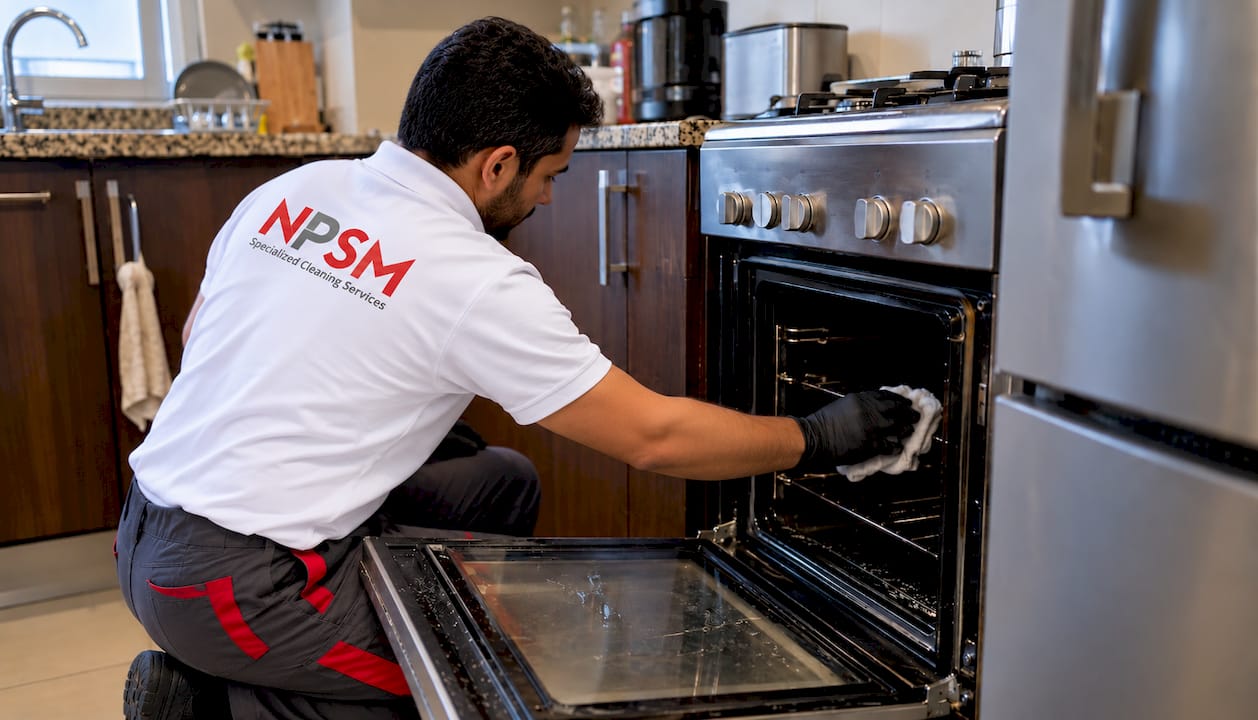
Deep cleaning means a thorough cleaning process that reaches beyond the surfaces a routine wipe-down covers, targeting buildup, grime, and hidden dirt in spots that get skipped during regular upkeep. It typically includes degreasing kitchens, scrubbing grout, sanitizing high-touch surfaces, and cleaning inside appliances, vents, and behind furniture. The Oxford English Dictionary defines it simply as a thorough cleaning beyond routine maintenance, which is the distinction that matters most.
TL;DR:
Most households benefit from deep cleaning two to four times yearly, while moves, renovations, mold, pests, or persistent odors warrant immediate service.
Request a written checklist for every room and confirm exclusions before booking because inside oven and refrigerator cleaning may cost extra.
When budgets are tight, clean kitchens and bathrooms first, then address vents and floors if funds allow, because these zones most affect hygiene.
Cleaning time depends more on a property’s condition than its size, while neglected grout, blinds, and baseboards add labor, and some first visits carry surcharges.
Specializedcleaning
Get a Thorough Clean in Dubai
Specializedcleaning provides professional deep cleaning for homes and businesses in Dubai, with experienced staff and specialized equipment for complex cleaning needs.
Deep cleaning isn’t a fixed, standardized service. Providers define their own scope, and what one company calls a deep clean, another might call a “detail clean” or “intensive clean.” That said, most professional deep cleans share a common thread: they target the buildup that accumulates over weeks or months and skips the areas a quick tidy never reaches.
A typical deep clean goes after:
Grease and grime buildup on stovetops, range hoods, and backsplashes
Grout lines, tile seams, and baseboards that trap dust and residue
Interior surfaces of ovens, refrigerators, and microwaves
Air vents, ceiling fans, and light fixtures that collect dust over time
High-touch surfaces like door handles, light switches, and cabinet pulls that need disinfecting, not just dusting
People usually schedule a deep clean around a specific trigger rather than on a whim. Moving into or out of a property is the most common reason, followed by post-renovation cleanup, preparing for a big event, or simply resetting a home that hasn’t had a proper scrub in a while. Office spaces often book one ahead of an inspection or after a long stretch without professional attention.
Deep cleaning vs. routine cleaning and housekeeping
Routine cleaning keeps a space looking presentable week to week. Deep cleaning resets it by addressing what regular upkeep leaves behind.
Scope: Routine cleaning covers visible surfaces, floors, and counters; deep cleaning reaches inside appliances, behind furniture, and into grout lines and vents.
Frequency: Routine cleaning happens weekly or biweekly; deep cleaning is typically scheduled a few times a year or around specific triggers.
Tools: Routine cleaning relies on general-purpose sprays and vacuums; deep cleaning often calls for degreasers, grout brushes, and sometimes industrial extractors.
Outcome: Routine cleaning maintains appearance; deep cleaning removes buildup that affects hygiene, air quality, and the condition of surfaces over time.
A home that gets weekly cleaning can still accumulate grease behind the stove, mineral scale in the tank, or dust inside vents for months. That’s the gap deep cleaning closes, and it’s why move-ins, post-construction cleanups, and seasonal resets almost always call for it instead of a standard tidy.
Room-by-room deep cleaning checklist
A useful way to evaluate any quote, or brief a cleaner yourself, is to walk through the job zone by zone. Working room by room instead of task by task helps maintain quality and avoid the fatigue that leads to skipped spots on longer jobs,
Kitchen: Degrease the stovetop, hood, and backsplash, clean inside the oven and refrigerator, scrub grout, and wipe down cabinet fronts and handles.
Bathrooms: Scrub tile and grout, remove soap scum and limescale, disinfect the toilet base and handle, and clean exhaust fans.
Bedrooms and living areas: Dust baseboards, blinds, and ceiling fans, vacuum under furniture, and wipe down light switches and remote controls.
Floors: Vacuum and mop all surfaces, edge-clean along baseboards, and treat carpets or rugs that trap odor and allergens.
Special systems: Address HVAC ducts, water tanks, and carpets separately since these need dedicated equipment rather than a general wipe-down.
When time or budget is tight, prioritize the kitchen and bathrooms first since these zones affect hygiene the most, then move to vents and floors if the budget allows.
Pro Tip:Ask any cleaner, in-house or professional, for a written room-by-room checklist before the job starts. It prevents disagreements later about what was or wasn’t included, especially around inside-appliance work, which some providers treat as an add-on.
Most households benefit from a deep clean two to four times a year, with busy homes or those with pets and kids leaning toward the higher end. Certain triggers call for one immediately regardless of schedule: moving in or out, finishing a renovation, or noticing mold, pest activity, or a persistent odor.
Duration depends more on condition than size. A property that hasn’t been professionally cleaned in a year takes longer than a larger space cleaned regularly, since heavily soiled grout, blinds, and baseboards demand manual scrubbing time that square footage alone doesn’t predict.
Pricing factors to expect:
Property size and layout, including the number of bathrooms and kitchens
Current condition, since neglected surfaces take longer to restore
Add-on services like HVAC duct cleaning, carpet extraction, or water tank disinfection
An “initial clean” surcharge some providers apply to a first-time deep clean, since it typically requires more labor than a maintenance visit thereafter
A practical approach to deep cleaning is to work zone by zone to maintain consistent quality across a long job, a point Martha Stewart’s checklist also emphasizes for homeowners tackling the work themselves.
Why hiring a professional changes the outcome
A professional crew brings equipment that most households don’t own: industrial extractors, HEPA-filtered vacuums, and the tools needed for HVAC duct work that a general cleaning kit can’t replicate. Licensed staff also follow safety and infection-control protocols that matter when disinfectants, degreasers, or duct work are involved.
What separates a professional deep clean from a DIY weekend:
Equipment built for grease, grout, and buildup that household tools can’t fully remove
Trained staff who follow safety protocols around chemicals and confined spaces like ducts or tanks
A documented scope of work that confirms exactly what’s included before the crew arrives
Before booking, request a written checklist and confirm exclusions upfront, the same advice that applies whether you’re hiring a large facility service or a residential crew. Our own HVAC duct cleaning service is a good example of the kind of specialized work that benefits from trained staff and purpose-built equipment rather than general cleaning supplies.
A practical recommendation before you book
The single best step before any deep clean is asking for a written, room-by-room checklist and confirming exclusions upfront, inside-fridge and inside-oven work especially. For busy households, I’d prioritize kitchens, bathrooms, and vents over everything else since these affect daily hygiene the most, even if the full checklist waits for next time.
— Qadir
How we handle deep cleaning for homes and offices in Dubai
Our deep cleaning services address key areas such as degreasing, grout restoration, inside-appliance cleaning, and the specialized work that routine housekeeping often misses. Our scope runs from standard residential deep cleans to move-in/move-out jobs, post-construction cleanup, and full office resets, with HVAC duct cleaning available as an add-on for anyone concerned about air quality or dust buildup in vents.
Many jobs start with a consultation to review a written checklist before scheduling, and some providers offer same-day scheduling for urgent jobs. If you’d rather compare options first, shows how a similar checklist approach looks in a different market. For Dubai homes and offices, request a quote on our deep cleaning page and we’ll confirm scope, timing, and price before a single surface gets touched.
FAQ
What is usually done in a deep cleaning?
A deep clean typically covers degreasing kitchen surfaces, scrubbing grout, disinfecting high-touch points, and cleaning inside appliances, vents, and behind furniture. The exact scope varies by provider, so confirming a written checklist before booking is the most reliable way to know what’s included.
How long does it normally take to deep clean a house?
Duration depends more on a property’s condition than its size, since heavily soiled grout, baseboards, and blinds require manual scrubbing time that square footage alone doesn’t predict. A property that hasn’t had a professional clean in a year will generally take longer than a larger space cleaned on a regular schedule.
What does a full house deep clean include?
A full house deep clean covers every room, including kitchen degreasing, bathroom grout and limescale removal, dusting baseboards and ceiling fans, and vacuuming under furniture. It can also include special systems like HVAC ducts, carpets, or water tanks when those are added to the scope.