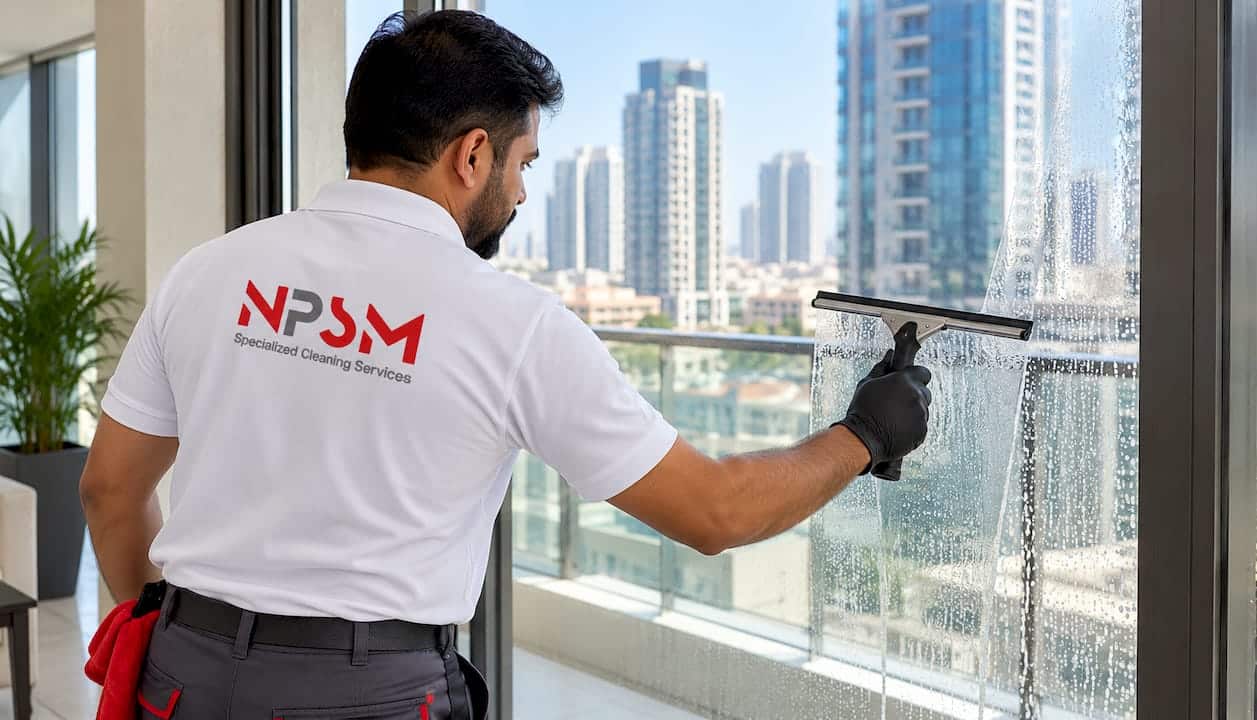
The fastest safe fix for most balcony glass stains is a diluted white vinegar or mild window-cleaner rinse, applied with a soft cloth and finished with a squeegee. Avoid anything abrasive, including razor blades or scouring pads, since they risk permanent scratches. If a cloudy haze remains after cleaning, stop. That haze often signals etching, and it calls for a professional assessment rather than more scrubbing.
TL;DR:
Use mild cleaner first, then apply equal parts vinegar and water for 5 to 15 minutes; choose limescale remover only if labeled safe for glass.
After cleaning, inspect the glass in direct light; persistent cloudy patches suggest etching, so stop scrubbing and seek professional assessment before the damage worsens.
Avoid razor blades, metal scrapers, steel wool, and scouring pads; test cleaners on a hidden spot and keep solutions away from seals and frames.
Rinse and squeegee weekly or every other week, dry the glass instead of air drying, and rinse promptly after construction work or sandstorms to limit deposits.
Specializedcleaning
specializedcleaning.ae
Restore Clear Balcony Glass Safely
Specializedcleaning provides professional cleaning in Dubai, including deep cleaning for stubborn stains that resist careful home cleaning.
Safe Cleaning Materials and Tools for Balcony Glass
Mineral deposits respond well to gentle chemistry, not brute force. Manufacturer glass care guidance recommends mild, non-alkaline cleaners paired with grit-free, soft applicators to lift deposits without marking the surface.
Reach for these instead of a hardware-store scraper:
A mild, non-alkaline window cleaner or diluted white vinegar for routine mineral buildup.
A few drops of dish soap mixed into the vinegar solution for tougher spots.
Microfiber cloths, a soft sponge, and a squeegee for wiping and drying.
A spray bottle and bucket for mixing and applying solution evenly.
A commercial limescale remover, only after checking the label for glass safety.
A water-fed pole for balconies with hard-to-reach exterior panels.
Skip steel wool, metal scrapers, razor blades, green scouring pads, and any concentrated acid or strong alkali. These can scratch glass or strip protective coatings in seconds, and the damage is rarely reversible.
Pro Tip:Test any cleaner or tool on a small, hidden corner of the glass first, and keep all solutions away from seals and frames to avoid degrading them.
Step-by-Step Methods: From Mild to Stubborn Stains
Start gentle, then escalate only if the stain persists. Working through these three stages in order protects the glass and saves time.
Mild method first. Rinse the glass with clean water, apply a mild soap or window cleaner, wipe with a microfiber cloth, then squeegee and buff dry.
Vinegar and baking soda for moderate buildup. Mix equal parts white vinegar and water, spray generously, and let it sit for 5 to 15 minutes. For spots that resist the spray, work a baking soda paste into the area, then follow with a vinegar rinse to neutralize and lift the residue.
Commercial limescale remover for stubborn deposits. Choose a product labeled safe for glass, test it on a small area, follow the label’s dwell time, then rinse thoroughly and dry.
Vinegar-based cleaning methods work because acetic acid breaks down the calcium and magnesium bonds that cause hard water spots, without the harsh chemistry that can damage coated glass. Cleaning pros interviewed by Good Housekeeping suggest adding dish soap to the vinegar mix for tougher deposits and using a delicate eraser-type sponge cautiously, always finishing with a full rinse and dry to stop residue from redepositing.
Checking for etching: after a full cleaning pass, look at the glass in direct light. Removable mineral deposits wipe away to a clear, uniform surface. Etched glass keeps a dull, cloudy patch no matter how much you clean it, because the damage sits below the surface rather than on top of it. Professional glazing guidance warns that aggressive scraping on etched glass tends to make the clouding worse, not better.
Rinse and squeegee immediately after every cleaning session. Leftover moisture evaporates and leaves fresh mineral traces behind, undoing the work you just did. For most balconies, regular cleaning every few weeks keeps deposits from building into something harder to shift.
When Balcony Glass Needs a Professional Instead of DIY
A few signs mean it’s time to stop cleaning and call someone with the right training and equipment:
A milky or cloudy haze that stays after a full clean, suggesting etching rather than surface deposit.
Chalky white residue that keeps returning within days of cleaning.
Visible scratches from a previous DIY attempt with a scraper or abrasive pad.
Exterior panels on upper floors that aren’t safely reachable from inside the balcony.
Professionals typically start with de-scaling, then move to cerium-oxide polishing for light etching, and assess whether deep damage calls for restoration or glass replacement. High-rise exterior work usually relies on water-fed poles for mid-level access or rope access methods for taller buildings, which keeps technicians and the glass itself safe during the clean.
Pro Tip:Before hiring anyone, ask about licensing and insurance, experience with glass restoration specifically, their test-patch policy, and whether the quote is written and covers liability. Cost usually depends on how severe the staining is, how hard the glass is to reach, and whether a protective coating needs special handling.
Keeping Balcony Glass Clear Between Deep Cleans
Prevention costs far less effort than restoration. A rinse and squeegee once a week or every other week, depending on exposure, keeps mineral deposits from ever building into a visible stain.
Rinse balcony glass promptly after sandstorms or nearby construction work, since alkaline runoff from concrete and mortar can chemically bond to glass if left to dry.
Dry the glass fully after every rinse rather than letting water evaporate on its own.
Consider a water-repellent coating treatment compatible with your glass type, tested on a small area first.
Schedule a periodic professional facade or balustrade clean if your balcony faces heavy dust, wind, or runoff exposure.
Manufacturer maintenance recommendations point to the same conclusion: regular, quick rinsing is what prevents mineral deposits from chemically bonding into something that eventually needs restoration. Small habits, drying the glass and rinsing after exposure, do more long-term work than any single deep clean.
What Years of Glass Cleaning in Dubai Have Taught Us
Cleaning balcony glass requires trained staff and equipment suited to the job, from soft-tool detailing to facade-level access, always with surface protection in mind.
Early, consistent cleaning helps prevent chemical bonding that turns a quick wipe-down into a costly restoration job later.
— Qadir
How We Help When Stains Won’t Budge
When a balcony stain outlasts vinegar, baking soda, and a commercial cleaner, or when the glass sits somewhere you can’t safely reach, that’s where our deep cleaning services and facade cleaning capability take over. We handle stain removal and polishing on glass and balustrades, with access methods suited to the height and layout of your building.
Typical service includes a site assessment and test patch before committing to a method, scheduling and consultation to scope the work, staff trained in safety-first access and surface-safe techniques, and a written quote detailing scope and cost.
If your balcony glass has gone past what a weekend of scrubbing can fix, request a free consultation and we’ll assess whether it needs a deep clean, a polish, or a closer look for etching.
FAQ
How do you get hard stains out of glass?
Start with a mild, non-alkaline cleaner or a diluted white vinegar solution applied with a soft cloth, then rinse and squeegee dry. For stubborn spots, a baking soda paste followed by a vinegar rinse, or a glass-safe commercial limescale remover, usually clears mineral buildup that mild cleaning alone can’t touch.
What should you never use to clean glass?
Avoid steel wool, razor blades, metal scrapers, and green scouring pads, since these can permanently scratch glass. Strong alkalis and concentrated acids also risk damaging coatings, so stick to mild, non-alkaline products instead.
What’s the best way to clean glass patio doors?
Rinse the glass first to loosen loose dust, then wash with a mild soap or diluted vinegar solution using a microfiber cloth. Finish with a squeegee and dry buff to prevent new water spots from forming as the surface dries.
Does WD-40 clean glass?
WD-40 isn’t part of the manufacturer-recommended or professionally tested methods for balcony glass, and it isn’t formulated for mineral deposit removal. Stick to mild, non-alkaline cleaners or a vinegar-based solution, which dissolve calcium and magnesium deposits without risking coatings.
Why does balcony glass get hard water stains?
Hard water stains form when water containing calcium and magnesium evaporates and leaves mineral deposits behind on the glass surface. In exposed balcony settings, repeated rain, irrigation overspray, or construction runoff speeds up the buildup if the glass isn’t rinsed and dried regularly.