A professional deep-cleaning checklist is the contractor’s scope of work: it spells out the exact tasks, equipment, disinfectants, and acceptance criteria a provider agrees to deliver. The strongest checklists cover high-touch disinfection, floor and carpet deep work, grout and stone care, kitchen exhaust and HVAC options, and supporting documents like insurance and safety data sheets. Before signing anything, ask for that scope in writing, along with proof of licensing.
TL;DR:
Deep-cleaning scope should include high-touch disinfection with proper dwell times, surface-specific floor protocols, and dedicated tools for each zone, with documentation like SDS and insurance.
The checklist must be detailed room-by-room, covering entry points, offices, kitchens, restrooms, floors, and mechanical areas, with photo proof recommended for larger sites.
Specialty services such as floor polishing, grout restoration, facade cleaning, and ductwork are typically quoted separately due to equipment, time, and permit requirements.
Contractors must provide proof of licensing, insurance, and approved disinfectants before work, with clear acceptance criteria and regular review schedules.
On the day of cleaning, staff follow a predictable sequence, maintain safety protocols, and conduct a final walkthrough to ensure scope completion, with proper drying and ventilation.
Specializedcleaning
Get Your Deep Cleaning Scope Right
Specializedcleaning provides professional deep cleaning in Dubai for residential and commercial spaces, supported by experienced staff and specialized equipment.
1. What a professional deep-cleaning checklist should include
A deep clean is not a longer version of routine cleaning. It is a defined set of tasks with its own products, timing, and sign-off criteria, and a contractor’s written scope should show all of it. The Green Seal Cleaning Services Guidebook recommends separating routine, periodic, interim, and restorative work in the schedule itself, so a client can see exactly what “deep clean” covers versus what gets billed separately.
A complete contractor checklist generally includes:
High-touch disinfection of door handles, switches, railings, and shared equipment, applied with the correct dwell time for each product.
Floor protocols matched to surface type: vacuuming and extraction for carpet, wet mopping or steam for hard floors, with polishing treated as a separate restorative service.
Restroom and kitchen deep cleaning done in sequence, using dedicated tools for each zone rather than shared mops and cloths.
Carpet and upholstery cleaning with a stated drying window, since trapped moisture undermines the whole job.
Supporting paperwork: safety data sheets (SDS) for every disinfectant, an equipment list, proof of insurance, and staff identification.
The Green Seal guide also recommends uploading an SDS for every registered disinfectant used on an account, which gives building managers a paper trail if anyone raises an allergy or compliance question later. We treat that documentation requirement as a baseline, not an upsell, when we put together a deep cleaning services scope for a home or office.
2. A room-by-room checklist you can hand to any contractor
A written scope is only useful if it tells you what happens in each part of the property. Walking through the space area by area, before work starts, gives both sides a shared reference point and something concrete to check against at handover.
Entrance and reception: mats shaken or extracted, glass doors and partitions cleaned streak-free, touchpoints disinfected, and floors treated according to their material.
Offices and meeting rooms: dusting done high to low (ceiling vents and light fixtures before desks and skirting), with electronics wiped using equipment-safe products rather than general-purpose sprays.
Kitchens and pantries: hoods and exhaust surfaces degreased, countertops and backsplashes sanitized, and appliances pulled out or opened to clean behind and underneath them.
Restrooms: high-touch surfaces disinfected, drain traps cleared, moisture controlled to limit mold growth, and tools kept exclusive to that zone to avoid cross-contamination.
Floors and carpets: method matched to surface (extraction, steam, dry buffing) with a stated drying time before the area returns to normal use.
Mechanical and service areas: duct access points identified for HVAC work, and water tank cleaning scheduled with the correct safety steps and permits, since this touches the building’s water supply.
A partner resource on move-in cleaning checklists echoes this room-by-room structure and adds a useful habit: photo documentation of each area before and after, which gives both parties proof of what was actually done. For larger or mixed-use sites, a building cleaning checklist for high-rises shows how the same logic scales to multiple floors and shared common areas.
3. Specialty services and exclusions you should expect to see quoted separately
Not every item in a cleaning conversation belongs inside a standard deep-clean quote. Some tasks require different equipment, more time, or specific permits, which is why reputable contractors price them on their own line rather than folding them into a flat deep-clean rate.
Items usually quoted separately include:
Floor polishing and restoration, including marble, vinyl, and wood, which need curing time and specialized machines.
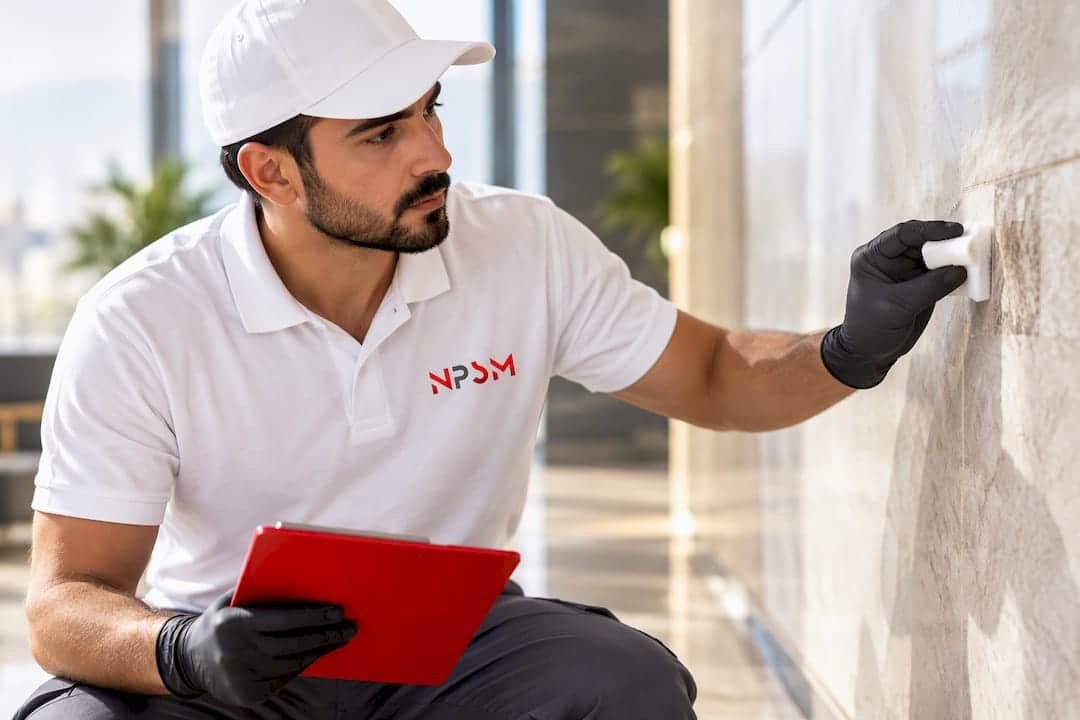
Grout and tile restoration, since discoloration often requires mechanical abrasion rather than standard cleaning.
Facade and high-rise exterior cleaning, which involves access equipment and safety permits.
Data center cleaning, where static-safe tools and strict airflow controls are non-negotiable.
HVAC duct deep work, covered in our guide to HVAC duct cleaning, which requires duct access and containment to avoid spreading debris.
Most contracts also exclude stain guarantees on pre-existing damage and the handling of hazardous materials outside a technician’s training. If a quote looks unusually low, check what it has left out before assuming it is unusually good value.
Pro Tip:Ask for floor restoration and duct cleaning to be itemized on separate lines, even if you plan to book them together, so you know exactly what each service costs and covers.
If your project follows construction work, the line between a standard deep clean and post-construction cleaning matters even more, since dust and debris loads are far heavier.
4. How contractors tailor scope, and what to confirm before you sign
A good scope is never generic. It should reflect your specific building, its traffic patterns, and any special-use areas like server rooms or commercial kitchens. The BSCAI Cleaning & Disinfecting SOW Guide stresses planning for vulnerable occupants and documenting the schedule and procedures clearly, rather than relying on a verbal agreement.
Before you sign a contract, confirm:
A building-specific scope that separates routine, periodic, and restorative tasks, with a stated frequency for each.
Proof of Dubai Municipality (DM) external approval and a valid trade license, plus public liability insurance.
Staffing details including language, training, PPE provisions, and equipment maintenance schedules.
Clear acceptance criteria: a sign-off checklist, photo proof of completed work, a rework policy, and payment milestones tied to delivery.
Both Green Seal and BSCAI recommend reviewing cleaning schedules at least twice a year to account for seasonal changes, occupancy shifts, or special events, according to the Green Seal guidebook. A contractor who builds that review into the contract from the start is telling you something useful about how they operate.
KPM Global also flags the warning signs worth watching for: no DM approval on file, unapproved chemicals in use, or no public liability insurance. Any one of these should pause the conversation until the contractor clears it up.
5. What to expect on the day of the deep clean
Knowing the sequence in advance keeps the day predictable for everyone, from staff check-in to the final walkthrough.
Arrival and setup: staff check in with ID, insurance documents are available on request, and equipment is staged by zone before work begins.
Work sequence: homes typically run top-to-bottom and back-to-front in a single pass, while offices and warehouses often work zone by zone to keep part of the space usable.
Safety during disinfection: cordons go up around wet or treated areas, occupants are asked to stay clear while dwell times run, and staff wear the PPE appropriate to the chemicals in use.
Aftercare and sign-off: floors and carpets get a stated drying window, spaces are ventilated before reoccupation, and a final checklist walkthrough confirms the work against the agreed scope, with a short rework window if something was missed.
6. What experience teaches about getting the checklist right
After years of running deep cleans across homes, offices, and specialized facilities, we have learned that the checklist matters less than how consistently it gets followed. Indoor air quality, equipment integrity, and the correct chemical for the surface in front of us take priority over speed, especially on complex jobs like HVAC ducts or data center floors, where a wrong product can damage equipment rather than protect it.
We bring extensive experience to that balance, pairing trained staff with equipment built specifically for HVAC and data center environments. Same-day scheduling exists because buildings do not wait for ideal timing, and documented sign-offs on every job give clients proof that the scope we agreed on is the scope we delivered.
— Qadir
Get a written scope and book your deep clean
We put every deep-cleaning job in writing before we start: the tasks, the products, the timeline, and the sign-off criteria, so there are no surprises at handover. If you want a scope built around your specific property rather than a generic package, we offer consultations and scheduling options.
When you request a quote, ask for:
A site visit before pricing, not a flat quote based on square footage alone.
An itemized task list covering every area you expect to be touched.
A clear wet-to-dry sequence so floors and surfaces have proper drying time.
Proof of insurance and licensing included with the proposal.
Browse our deep cleaning services page to see current packages, or reach out directly to request a tailored scope for your home or business.
FAQ
What should be included in a professional deep-cleaning checklist?
A professional checklist covers high-touch disinfection, floor and carpet care matched to surface type, kitchen and restroom deep cleaning with dedicated tools, and documentation like SDS sheets and insurance proof. Restorative work such as floor polishing or duct cleaning is typically listed and priced separately.
How is deep cleaning different from a standard clean?
Standard cleaning maintains a space day to day, while deep cleaning reaches areas routine service skips, like behind appliances, inside vents, and grout lines. The Green Seal guidebook frames this as the difference between routine and periodic or restorative cleaning tiers.
What documents should a cleaning contractor provide before starting work?
A reliable contractor should provide a trade license, proof of Dubai Municipality external approval, public liability insurance, and SDS sheets for any disinfectants used, as outlined in guidance on Dubai cleaning company licenses. Staff identification should also be available on request.
Are HVAC duct cleaning and data center cleaning part of a standard deep clean?
No, these are specialist services quoted separately because they require specific equipment, containment procedures, and sometimes permits. Our HVAC duct cleaning guide explains why this work is handled as its own scope item rather than folded into a general deep clean.
What red flags suggest a cleaning contractor isn’t properly licensed?
Warning signs include no Dubai Municipality approval on file, use of unlabeled or unapproved chemicals, and no public liability insurance, according to KPM Global’s licensing guidance. Any contractor unwilling to share these documents before the job starts is worth questioning further.
Getting your deposit back typically comes down to two things: a thorough, landlord-ready clean of every room and settling your final utility accounts before handover. This guide gives you a printable move out cleaning checklist, room-by-room steps, safety rules for cleaning chemicals, and the administrative tasks that keep disputes off the table.
TL;DR:
A thorough kitchen clean should prioritize degreasing the stovetop, cleaning the oven interior, and wiping down cabinets and appliances, especially the extractor hood and filters.
Bathroom cleaning must focus on disinfecting toilets, tubs, and grout lines, with descaling taps and removing soap scum, while flagging pre-existing issues to the landlord.
Carpets in bedrooms and living areas need vacuuming, and carpet shampooing is advisable for stains or odors, with walls and fixtures wiped or dusted, especially behind furniture.
Use pH-neutral cleaners for marble and polished stone floors, and consider professional polishing for floors or surfaces showing wear or permanent gray stains.
The cleaning supplies kit should include microfiber cloths, brushes, degreasers, multi-surface cleaners, bleach, gloves, and eye protection, with attention to safety rules when handling chemicals.
Specializedcleaning
Make Move Out Cleaning Easier
Specializedcleaning provides professional residential cleaning in Dubai for move out handovers and thorough property cleaning needs.
Living areas and balcony: swept floors, wiped windows and sills, removed cobwebs from corners and ceilings.
Final admin: meter readings recorded, photos taken of every room, receipts saved, keys and access cards ready.
Finish with a short walk-through: open every cabinet and drawer one more time, check behind doors for marks, and confirm nothing was left behind before you lock up.
Detailed kitchen cleaning tasks landlords check
The kitchen draws the closest scrutiny during a move-out inspection, mostly because grease and food residue build up in places tenants forget.
Empty and wipe down every cabinet and drawer, then remove any adhesive shelf liner or sticker residue with warm water and a plastic scraper.
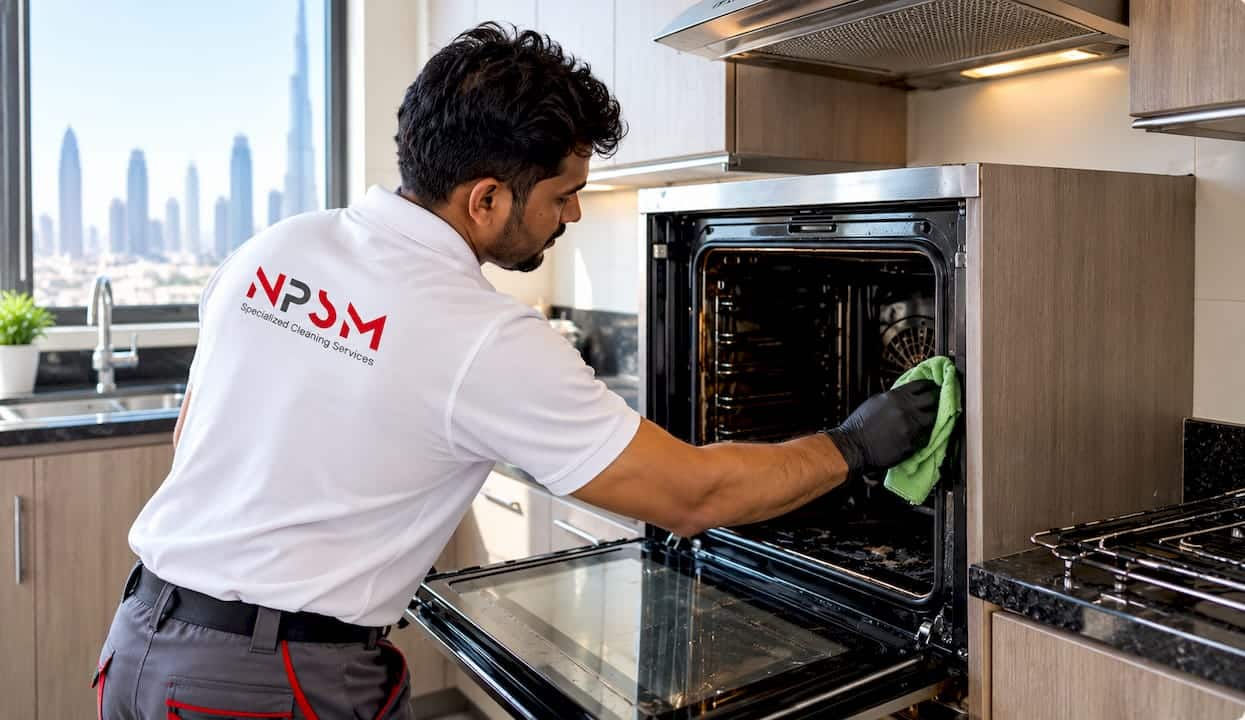
Degrease the stovetop, clean the oven interior and trays, and wipe the extractor hood and filters.
Defrost the fridge and freezer, clean the seals and shelves, and run a cycle in an empty dishwasher before wiping it down inside and out.
Wipe countertops, backsplash tiles, the sink, and taps, then mop the floor and clean the baseboards.
Avoid the oven’s self-clean setting right before moving if you can, since it can leave a strong odor and take hours to cool before you can wipe out the ash residue.
Pro Tip:Tackle the oven and extractor hood first. They take the longest to soak and degrease, so starting there lets the solution work while you clean the rest of the kitchen.
Bathroom checklist and grout and tile care
Bathrooms lose deposits over soap scum, limescale, and grout that looks gray instead of white.
Scrub and disinfect the toilet, tub, and shower tray, then remove soap scum from tiles and glass doors.
Descale taps and showerheads with a vinegar-based or limescale remover suited to your fixtures.
Deep-clean grout lines with a grout brush and cleaner; if staining does not lift after a reasonable effort, treat it as a job for a professional grout cleaning service rather than scrubbing until the glaze wears thin.
Clean the exhaust fan cover, mirrors, and light fixtures, then sanitize the floor.
If you spot cracked tiles, a loose seal, or mold that predates your tenancy, flag it to the landlord in writing rather than attempting a fix.
Pro Tip:A paste of baking soda and water left on grout for ten minutes before scrubbing lifts most everyday staining without needing a harsh chemical cleaner.
Bedrooms and living areas: carpets, walls and fixtures
Bedrooms and living rooms are judged on carpets, walls, and the small fixtures tenants tend to overlook.
Vacuum carpets thoroughly, including under beds and sofas, and spot-clean any visible stains.
Book a carpet shampooing service if stains remain after vacuuming or if the carpet smells of pets or smoke.
Remove nails and wall anchors, wipe down walls for scuffs and marks, and clean inside every wardrobe and closet.
Wipe windows, sills, and tracks, and dust ceiling fans and light fixtures, replacing any burnt-out bulbs.
These items take longer than they look, mostly because dust and marks accumulate in spots you only notice once the furniture moves out.
Appliance and floor care by surface type
Different appliances and floor finishes need different handling, and the wrong product can cause damage that costs more than the cleaning itself.
Ovens, fridges, and dishwashers respond best to a degreaser or baking soda paste rather than abrasive scouring pads that can scratch interior surfaces.
Extractor fan filters usually need soaking in hot water with dish soap before wiping.
Marble and polished stone floors should never meet acidic cleaners: a pH-neutral stone cleaner keeps the polish intact.
Wood floors need a manufacturer-recommended wood cleaner, while tile and grout stains often respond to a dedicated grout cleaner and a stiff brush.
Pro Tip:If marble has lost its shine or grout looks permanently gray despite cleaning, a one-time professionalfloor and marble polishingvisit is usually faster and safer than DIY stripping.
What cleaning supplies to bring and the safety rules to follow
A basic kit covers almost every move-out job: microfiber cloths, a scrub brush, a grout brush, a mop and bucket, a degreaser, a multi-surface cleaner, an oven cleaner, bleach, gloves, and eye protection.
Before you reach for bleach, follow the safety guidance the CDC lays out: never mix bleach with ammonia or acidic cleaners like vinegar, since the combination produces toxic gas. The CDC also recommends cleaning a surface with soap and water first, since cleaning alone removes most germs before any disinfectant is applied.
Ventilate the room by opening windows or running a fan whenever you use bleach or strong chemical cleaners.
Prepare bleach solutions fresh and use them within the contact time the label specifies rather than storing diluted mixes.
Wear gloves and eye protection, and dispose of chemical waste according to the product label rather than pouring concentrated cleaner down the drain.
Clean before you disinfect: soap and water remove most germs on their own, and disinfecting over a dirty surface is less effective than cleaning first.
DEWA final bill, meter readings and move-out paperwork
Settling your utility account is as important to your deposit as the cleaning itself, since most landlords will not release funds until they see proof of closure.
Submit your move-out (deactivation) request through DEWA, using UAE PASS or the guest option, and pay any outstanding charges on the account.
Select your deactivation date so DEWA can take a final meter reading; according to DEWA’s move-out process, the final bill is processed within 24 working hours, and any security deposit refund follows the refund method you chose at registration.
Save screenshots of the deactivation confirmation and final bill, photograph the meter reading yourself, and request a clearance certificate if one is available.
Confirm the exact handover time with your landlord or agent so the inspection happens close to when you finish cleaning.
Schedule your deep clean after your belongings are out but before the inspection, so nothing gets re-soiled by moving boxes or furniture in between.
Common mistakes that cost tenants their deposit
Most deposit disputes trace back to a short list of avoidable oversights.
A dirty oven interior, a greasy extractor hood, or stained grout are the items inspectors notice first.
Adhesive residue left inside cabinets and burnt-out bulbs are easy to miss but easy to fix.
Stains hidden under furniture surface the moment the furniture moves, so check underneath before you call the job done.
Photograph any pre-existing damage with a timestamp so you are not charged for wear that predates your tenancy, and put any repair needs in writing to the landlord before handover.
When hiring a professional cleaning service makes sense
Some jobs are faster and safer in the hands of a specialist than tackled solo on a tight moving schedule. Professional cleaning services with experienced and licensed staff, same-day scheduling, and specialized equipment are available for marble polishing, HVAC duct cleaning, and other complex jobs.
Consider booking a pro when you are facing stubborn grout staining, a marble floor that needs polishing, a carpet that needs shampooing, an oven that has not been deep-cleaned in years, or simply a handover date that leaves no room for a full day of cleaning. A professional visit also gives you dated receipts and before-and-after photos, which strengthen your case if the landlord questions the property’s condition at inspection. You can read more in this deep cleaning service guide.
Packing and decluttering before you start cleaning
Clean last, pack first. Trying to clean around boxes and furniture means redoing work once the room is empty.
Start decluttering room by room at least a few days before your cleaning day. Sort items into keep, donate, and discard piles, and remove anything you are not taking well before the final clean, since empty shelves and drawers are far easier to wipe down than ones still holding belongings. Once a room is fully packed, do a quick sweep for small items tucked behind doors, under beds, or on top of wardrobes, places that are easy to forget until the landlord’s inspector points them out.
Label boxes by room as you pack, and move them out of the property as soon as they are sealed rather than letting them pile up in a hallway. A cluttered hallway slows down the cleaning crew (or you) and increases the chance of scuffing a wall or floor while maneuvering around boxes.
If you are getting rid of furniture or appliances, arrange collection before cleaning day so you are not cleaning around items that are about to leave anyway. The goal is a completely empty property by the time you start wiping surfaces, since that is the only way to reach every baseboard, corner, and closet shelf without obstruction.
Cleaning walls and ceilings: scuff marks and cobwebs
Walls and ceilings rarely get the attention they deserve until the furniture moves out and every mark becomes visible.
Start with ceilings and corners, since cobwebs and dust settle there and are easiest to knock down before you clean the walls below. A long-handled duster or a vacuum with a brush attachment clears most webs and dust without a ladder. For scuff marks on walls, a damp microfiber cloth with a small amount of mild dish soap lifts most everyday marks; a melamine sponge works on tougher scuffs, though it should be tested on a small area first since it can dull some paint finishes.
Work top to bottom in each room: ceiling, then walls, then baseboards, so dust and debris fall onto surfaces you have not cleaned yet rather than onto ones you just finished. Pay close attention to areas behind where furniture stood, since those spots often hide marks, dust buildup, or faded paint from sun exposure around the rest of the wall.
Eco-friendly and non-toxic cleaning methods
You do not need a cabinet full of harsh chemicals to get a property landlord-ready.
Baking soda and white vinegar handle a surprising range of jobs: baking soda lifts grease and scrubs grout, while diluted vinegar cuts through limescale on taps and shower heads (never use vinegar near bleach, for the same reason the CDC warns against mixing bleach with acids). Castile soap diluted in water works as a gentle all-purpose cleaner for countertops, cabinets, and floors that does not leave behind a strong chemical smell.
Microfiber cloths reduce the amount of cleaner you need in the first place, since they lift dust and grime with water alone on most surfaces. Keep a spray bottle of diluted castile soap and a microfiber cloth on hand for quick touch-ups between deeper cleaning sessions, and save the stronger degreasers and bleach solutions for the jobs that genuinely need them, like an oven interior or a disinfected bathroom floor.
Handling repairs and touch-ups before you clean
Small repairs belong before the cleaning, not after, since patching and painting create their own dust and mess.
Fill nail holes and wall anchor marks with a lightweight spackle, let it dry fully, then sand it smooth before touching up with matching paint. If you are not sure of the exact paint color, a small test patch in an inconspicuous spot confirms the match before you commit to a full wall. Tighten any loose cabinet handles or hinges, and replace any blown light bulbs while you are already working room by room.
Once repairs are dry and dust has settled, clean the room as normal, since painting dust and spackle residue will otherwise end up on your freshly wiped surfaces. If a repair is beyond a simple touch-up, such as a cracked tile or a damaged door, document it with a photo and notify the landlord in writing before handover rather than attempting a fix that might make the damage harder to assess fairly.
What this checklist gets right and where tenants over-invest
The checklist above works because it mirrors what actually gets inspected: ovens, grout, carpets, and utility paperwork. Where tenants go wrong is treating every surface as equally urgent. A streaky window gets noticed less than a greasy extractor hood or a stained carpet, yet people often spend an afternoon on windows and rush the oven.
The other overlooked piece is documentation. A clean property with no photos or meter-reading proof still leaves room for a dispute. A messier property with timestamped photos and a DEWA clearance receipt is in a stronger position. If you take one thing from this guide, let it be this: clean the handful of items that inspectors actually check closely, then spend the time you saved on paperwork, not on polishing surfaces nobody will scrutinize.
Conventional checklists rarely mention the admin side at all, which is exactly where disputes tend to start.
— Qadir
Book a move-out clean that is ready for inspection
Move In/Out Deep Cleaning services cover kitchens, bathrooms, appliances, floors, and the detail work landlords check at handover, helping clients avoid last-minute cleaning rushes.
Request a free consultation to scope your property before booking.
Same-day scheduling options may be available for tenants with tight handover dates.
Specialized staff handle marble polishing, grout cleaning, and carpet shampooing alongside standard room-by-room cleaning.
Book your move-out deep clean and leave the inspection-critical details to a crew that does this daily.
What should I include on my move out cleaning list?
Your list should cover every room: kitchen appliances, bathroom grout and fixtures, carpets, walls, windows, and light fixtures, plus admin tasks like meter readings and photos. The checklist earlier in this guide groups these by room so you can work through them in order.
What is the 5-5-5 rule for cleaning?
Definitions of this rule vary across cleaning guides, and no single official version applies to move-out cleaning specifically. Rather than rely on an unverified rule, use the room-by-room checklist in this guide, which covers the items inspectors actually check.
What cleaning supplies do I need when moving out?
A basic kit covers most jobs: microfiber cloths, a scrub brush, a grout brush, a mop and bucket, a degreaser, a multi-surface cleaner, an oven cleaner, bleach, gloves, and eye protection. Follow the CDC’s bleach safety guidance whenever you use it, especially around ventilation and never mixing it with other cleaners.
What are the 7 stages of cleaning?
There is no single standardized “7 stages” framework for residential move-out cleaning. A practical sequence that works well is declutter, pack, repair, clean top to bottom (ceilings to floors), disinfect bathrooms and kitchens, do a final walk-through, and document the result with photos.
Do I need a professional clean to get my deposit back?
A professional clean is not required, but it helps when you are short on time or facing stubborn grout, carpet stains, or marble that needs polishing. Services like Specialized Cleaning’s deep cleaning are built for exactly this handover window and provide receipts and photos that support your deposit claim.
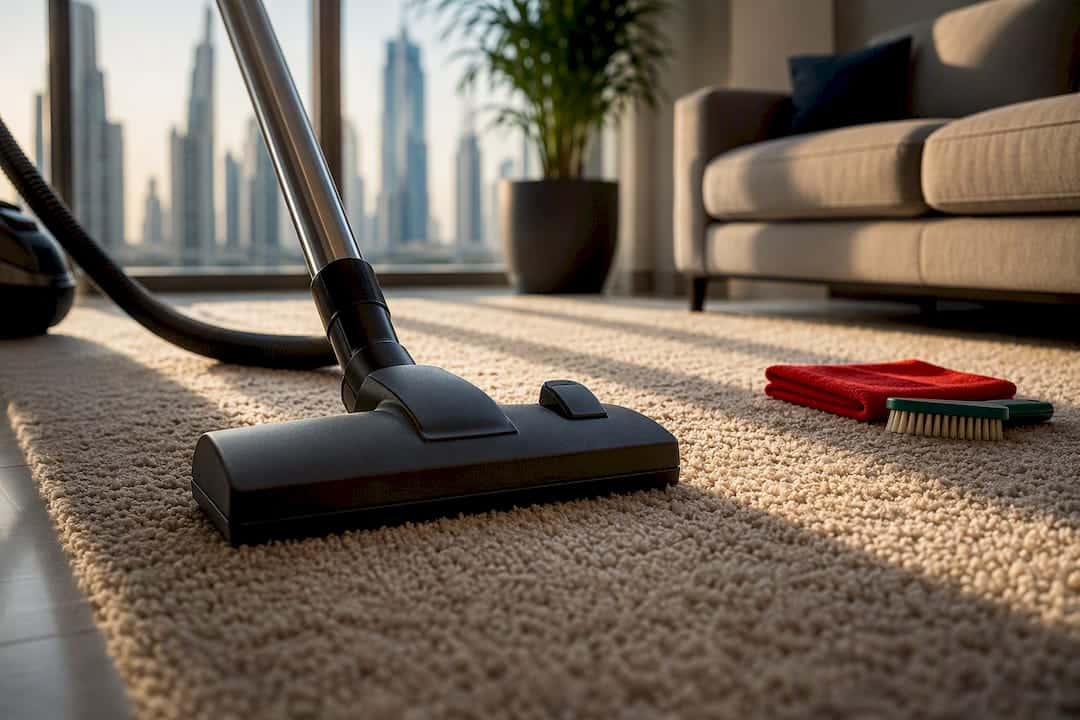
Vacuuming removes dry, surface soil sitting on top of and between carpet fibers; carpet shampooing and hot-water extraction remove embedded grime, oils, stains, and odors that suction alone can never reach. The two aren’t competitors. Vacuum on a regular schedule to protect the fibers and slow down soiling, then shampoo or extract periodically, or whenever stains and odors show up, to reset the carpet from the inside out. If soils are heavy, fibers are delicate (wool, for instance), or a stain won’t budge, call a professional before you make it worse.
TL;DR:
Regular vacuuming should be done multiple times a week in high-traffic areas to prevent grit from damaging fibers and dulling appearance.
Deep cleaning with shampooing or hot-water extraction is recommended every 6 to 12 months, with more frequent sessions in homes with pets or heavy foot traffic.
Proper technique, including thorough pre-vacuuming and fiber testing, is essential to avoid detergent residue, fiber damage, and prolonged drying times during wet cleaning.
HEPA filtration in vacuums enhances air quality by trapping fine dust and allergens, especially important in allergy-sensitive environments.
Deep cleaning methods are only effective if soil and stains are pre-treated, the extraction is sufficiently strong, and the carpet is fully dried before foot traffic resumes.
Specializedcleaning
specializedcleaning.ae
Bring Back a Cleaner Carpet
Specializedcleaning provides professional cleaning solutions in Dubai for homes and businesses facing demanding cleaning challenges.
Carpet Shampooing vs. Regular Vacuuming: A Quick Comparison
Before deciding which method a carpet needs today, it helps to see the two side by side. They solve different problems, on different timelines, with different equipment.
Factor
Vacuuming
Shampooing / Extraction
Process
Dry suction plus brush agitation
Wet solution, mechanical agitation, then extraction
What it removes
Dust, crumbs, pet hair, dry grit
Embedded oils, ground-in stains, trapped odors
Time required
A few minutes per room
An hour or more, plus several hours of drying
Frequency
Multiple times per week
Every 6 to 12 months, or when triggered by a spill or odor
Best for
Daily upkeep and fiber protection
Restoring appearance after heavy soiling
Air quality role
HEPA filtration traps fine dust
Removes allergens trapped deep in the pile
The Carpet and Rug Institute treats these as two stages of one maintenance system rather than rival methods. Vacuuming is the daily defense that keeps grit from grinding into fibers. Shampooing or extraction is the periodic reset that pulls out what vacuuming was never designed to touch. Skip either one long enough, and the carpet shows it, whether that’s matted traffic lanes from missed vacuuming or a dull, gray cast from oils that never got flushed out.
How Does Vacuuming Actually Clean a Carpet?
A vacuum works through suction paired with brush agitation. The motor pulls air (and whatever is riding on it) through the carpet pile and into a filter or bag, while a rotating brush roll loosens soil trapped near the base of the fibers so the airflow can lift it out. That combination matters. Suction alone glides over compacted dirt; agitation without suction just redistributes it.
Filtration quality determines how much of that lifted dirt actually leaves the room instead of recirculating. A machine with a true HEPA filter captures fine dust, pollen, and pet dander that a basic filter lets straight back into the air, which is why HEPA models get singled out in indoor air quality guidance for homes with allergy sufferers or asthma.
Getting real value from a vacuum comes down to technique, not just horsepower:
Slow down. A fast single pass barely disturbs embedded grit. Multiple slow, overlapping passes in different directions lift far more soil.
Work the edges first. Baseboards and corners collect the densest soil buildup because foot traffic pushes debris toward the walls over time.
Use crevice and upholstery attachments along stair edges and under furniture legs where the main head can’t reach.
Empty bags or bins before they’re full. A vacuum operating at 80% capacity loses a meaningful share of its suction power.
Even with perfect technique, a vacuum has a hard ceiling. It cannot dissolve grease, break down sticky spills, or pull out soil that’s bonded to the fiber with body oils or tracked-in grime. That’s a job for water and chemistry, not airflow.
Pro Tip:Vacuum in a grid pattern, north to south then east to west, over high-traffic zones. It roughly doubles the soil pickup compared to one direction alone, especially on cut-pile carpet where fibers lean and hide dirt from a single-direction pass.
What Happens During Carpet Shampooing and Extraction?
“Carpet shampooing” and “hot-water extraction” get used interchangeably by homeowners, but technicians mean two different things. Shampooing applies a foaming detergent, works it into the pile with a rotary brush, then extracts the residue and moisture. Hot-water extraction, often called steam cleaning, injects heated water and a cleaning solution under pressure, then immediately pulls it back out with a powerful vacuum stroke, all in one pass.
The chemistry behind both methods depends on surfactants, ingredients that break the bond between oily soil and carpet fiber so water can carry it away, and pH balance matters as much as the surfactant itself. Synthetic fibers like nylon and polyester tolerate a wider pH range, but wool and other natural fibers can felt and suffer permanent damage from alkaline shampoos, which is why professionals test fiber type before choosing a product.
Extraction power is where results diverge sharply between a rented machine and professional equipment. A comparison of steam, shampoo, and dry cleaning methods notes that shampooing can tackle heavily matted traffic lanes effectively, but if the rinse pass doesn’t fully extract the detergent, leftover residue acts like a magnet for new dirt. Hot-water extraction, done with strong suction recovery, tends to leave less behind.
An EPA-controlled study on contaminated carpet found wet cleaning cut contamination by about 60%, while dry vacuuming alone showed no meaningful reduction under the same test conditions. That gap illustrates why deep soils genuinely need a wet method, not just a stronger vacuum.
Drying is the tradeoff. Expect:
4 to 8 hours with air movers and good ventilation running
12 to 24 hours in humid conditions with no supplemental airflow
Faster results when a technician uses commercial-grade extraction with high water recovery, which pulls out more moisture at the source
Where Vacuuming Earns Its Keep (and Where It Falls Short)
Regular vacuuming is the single most protective habit a carpet owner can build, and it costs nothing but a few minutes a day. Dry grit acts like sandpaper under foot traffic, wearing down fiber tips and dulling the pile’s appearance long before any stain shows up. Removing that grit before it grinds in is the entire game.
CRI’s maintenance guidance ties vacuum frequency directly to foot traffic:
Daily in high-traffic areas: entryways, hallways, main office corridors
2 to 3 times weekly in medium-traffic zones: living rooms, open-plan workstations
Weekly in light-traffic rooms: guest bedrooms, formal dining areas
Following that schedule prevents the traffic-lane matting that makes a carpet look years older than it is, according to the research on extending carpet life through ongoing maintenance. A vacuum with genuine HEPA filtration adds a health benefit on top of that: it traps fine particulates like dust mite debris and pollen instead of blowing them back into the room, which matters in a home with allergies or a small business with a lot of foot traffic tracking outdoor pollutants inside.
What vacuuming cannot do is just as important to understand. It has no effect on body oils absorbed into the fiber, no ability to lift a set-in coffee or wine stain, and no way to neutralize an odor that’s worked its way into the padding underneath. Those problems live below the surface a vacuum can reach, which is exactly the gap wet cleaning is built to close.
Where Shampooing Delivers, and Where It Can Backfire
Shampooing and extraction earn their place by reaching what vacuuming can’t: oils, ground-in stains, and odors sitting deep in the pile and the padding underneath. Done correctly, the results go beyond looking clean.
Deep contaminant removal. Extraction physically flushes out soil, allergens, and residue trapped below the surface.
Stain and odor elimination. Heat and the right chemistry break down organic compounds that basic surface cleaning leaves behind.
Pile restoration. Agitation lifts crushed, matted fibers back toward their original texture, which is often what makes a carpet look “new” again after a wet clean.
The risks show up when the process gets rushed or the chemistry is wrong for the fiber. Leftover detergent residue is the most common complaint, and it’s largely avoidable: inadequate suction recovery during extraction leaves soap behind, and that residue attracts dirt faster than the carpet was soiling before the clean. Overwetting is the second major risk. Pump too much moisture into the pad without pulling it back out fast enough, and you’re looking at extended drying times, or worse, mildew developing underneath the carpet where nobody sees it until the smell shows up.
Wool and other natural fibers carry the highest risk of permanent damage, since alkaline products above roughly pH 8 can felt wool and cause irreversible texture change. That’s exactly why professionals pre-test a hidden section of carpet before committing to a full-room clean.
Pro Tip:Ask any technician quoting a shampoo or extraction job what their machine’s suction recovery rating is. Strong recovery is what separates a clean that lasts from one that looks good for two days and re-soils fast.
How Often Should You Vacuum vs. Deep-Clean a Carpet?
Matching the method to the moment is the whole trick. Here’s a workable schedule for most homes and small offices in Dubai.
Vacuum daily in entryways, hallways, and any high-traffic commercial floor.
Vacuum 2 to 3 times weekly in medium-traffic living areas and open workstations.
Vacuum weekly in low-traffic rooms like guest bedrooms or formal spaces.
Schedule a full shampoo or extraction every 6 to 12 months for a typical household, a cadence local professional practice confirms as standard for routine upkeep.
Shorten that window to every 3 to 4 months in homes with pets, young children, or heavy foot traffic, since oils and accidents accumulate faster than the standard cycle accounts for.
Deep-clean immediately, regardless of schedule, when you see visible stains that vacuuming won’t lift, a persistent odor, matted traffic lanes that don’t bounce back after vacuuming, or right after construction work or a large event tracked in extra soil.
Small businesses running janitorial contracts should build this same logic into a pet friendly rental furnishings maintenance program rather than reacting to complaints. CRI’s commercial maintenance guidance frames it as a three-tier system: preventive vacuuming daily, interim spot maintenance as needed, and scheduled deep cleaning on a fixed calendar. Waiting until a carpet “looks dirty” to book extraction usually means the soil has already been grinding into the fiber for months.
Getting Ready for a Deep Clean, and What to Do After
A shampoo or extraction session goes faster and lasts longer when the carpet is prepped properly beforehand. Skipping prep is one of the most common reasons a “deep clean” underperforms.
Before the technician arrives:
Vacuum thoroughly. Wet-cleaning wet soil turns it to mud and drags dirt deeper into the pile instead of lifting it out.
Spot-test and pre-treat any known stains so the technician can target them specifically.
Move small furniture, or protect furniture legs with plastic tabs to prevent rust or wood-stain bleed onto damp carpet.
What a professional crew typically does:
Inspects the carpet and identifies fiber type before selecting a product.
Pre-sprays the solution to break down soil ahead of agitation.
Runs multiple extraction passes rather than one, then grooms the pile to reset fiber direction.
After the clean:
Ventilate the room and run air movers if available to cut drying time.
Keep foot traffic off the carpet until it’s fully dry, not just surface dry.
Resume your normal vacuum schedule once dry. It’s the single best way to protect the results you just paid for.
Avoiding Residue, Fiber Damage, and Air Quality Problems
Most complaints about shampooing trace back to three preventable mistakes: too much detergent, the wrong chemistry for the fiber, and poor containment during the work itself.
Preventing residue buildup:
Insist on strong extraction with a dedicated rinse pass, not just a single wet application.
Avoid over-applying detergent. More product does not mean a deeper clean, it means more to extract.
Protecting delicate fibers:
Request a pre-inspection before any wet product touches the carpet.
For wool or other natural fibers, confirm the technician is using pH-safe products, since alkaline shampoos can felt wool permanently if the chemistry is wrong.
Controlling airborne particulates:
Run a HEPA-filtered vacuum pass before any wet work begins to pull out loose dry soil and reduce what gets kicked into the air during agitation.
Ventilate the space while the carpet dries. The EPA’s testing found that both dry vacuuming and wet cleaning raise airborne particle concentrations during the activity itself, which is exactly why containment and airflow matter most while work is underway, not after.
How Experienced Technicians Decide Between Vacuuming, Shampooing, and Extraction
NPSM Specialized Cleaning Services LLC has over 15 years of experience reading carpets before touching them with any tool, and that inspection step is what separates a guess from a decision. A carpet with light dry soil and no odor gets a maintenance vacuum recommendation. Matted traffic lanes with visible grime usually call for shampooing with rotary agitation. Deep-set stains, pet odors, or oily soil across a wide area typically point toward full hot-water extraction instead.
Homeowners and small businesses working with a licensed provider should expect a few specific things as standard: same-day scheduling when a carpet needs urgent attention, a free consultation to assess the job before any commitment, and pre-inspection with fiber testing so the product matches the material instead of damaging it.
The Real Lesson Here Is Timing, Not Technology
The gap in most carpet advice isn’t about which machine is “better.” It’s that Offices treat vacuuming and shampooing as substitutes when they’re stages. A carpet vacuumed daily but never deep-cleaned will still gray out from trapped oils within a year or two. A carpet shampooed twice a year but rarely vacuumed will show premature fiber wear regardless of how good that shampoo job was.
If there’s one habit worth prioritizing first, it’s consistent vacuuming on the CRI traffic-based schedule, because it’s the cheapest, easiest lever, and it directly determines how much work a deep clean has to do later. The second priority is watching for triggers rather than waiting for a fixed calendar date: an odor that won’t fade, a stain that survives a spot clean, matting that doesn’t spring back. Those signals matter more than the six-month mark on a calendar.
Where conventional advice falls short is treating shampooing as a cosmetic fix. Done right, with proper extraction and fiber-appropriate chemistry, it’s structural maintenance. Done carelessly, with weak suction recovery or the wrong pH on natural fiber, it accelerates the exact problem it was supposed to solve.
— Qadir
Ready for a Professional Carpet Reset?
Professional carpet cleaning services in Dubai offer a faster route to a genuinely deep clean than DIY rental equipment can deliver, often with licensed staff who pre-inspect and fiber-test before choosing a method, so wool rugs and synthetic office carpet are treated appropriately.
NPSM Specialized Cleaning Services LLC provides professional carpet shampooing with same-day scheduling and a free consultation before any work begins, so you know the cost and the plan before committing. If your carpet is showing matted traffic lanes, lingering odors, or stains that survive a spot clean, request a free quote through the carpet shampooing service page and get a technician out to assess it directly.
FAQ
Are Carpet Cleaners and Vacuums the Same Thing?
No. A vacuum uses dry suction and brush agitation to lift surface soil, while a carpet cleaner (shampooer or extractor) applies water and detergent, then extracts both the solution and the dissolved soil. They handle different jobs and neither replaces the other in a proper maintenance routine, according to CRI’s maintenance standard.
Can You Use a Carpet Shampooer as a Regular Vacuum?
Not effectively. Most carpet shampooers lack the strong, continuous dry suction and brush-roll design that regular vacuums use for daily dust and debris pickup, and running one dry for routine cleaning wastes the machine’s purpose. Keep a dedicated vacuum, ideally HEPA-filtered, for daily and weekly upkeep, and reserve the shampooer for periodic deep cleans.
Should You Vacuum a Carpet Before or After Shampooing?
Always vacuum thoroughly before wet cleaning, never after. Removing dry soil first prevents it from turning to mud once water and detergent hit the pile, and it stops loose grit from getting pushed deeper into the fibers during agitation. A follow-up vacuum, once the carpet is completely dry, helps lift and reset fibers that were flattened during the cleaning process.
What Are the Drawbacks of Using a Carpet Shampooer?
The biggest risk is leftover detergent residue when extraction or rinsing is incomplete, which attracts new dirt and makes carpet re-soil faster than before. Overwetting is the second major risk, since excess moisture in the pad can lead to extended drying times or mildew if it isn’t properly extracted, an issue that proper suction and rinse technique largely prevents.
A professional office cleaning contract typically covers routine janitorial tasks, restroom disinfection, floorcare, periodic deep cleans, and, when required, specialty services such as HVAC or data center cleaning. Daily work covers trash removal and surface wipe downs, weekly and monthly work adds carpet and glass care, and occasional work handles post-construction or move-out jobs. Guidance from Dubai Municipality shapes disinfection procedures, while IAQ standards inform HVAC filter schedules. Providers such as NPSM Specialized Cleaning Services LLC structure contracts around these tiers.
TL;DR:
Daily cleaning should specify measurable tasks such as trash removal, high-touch disinfection, and restroom checks, with clear timing and sign-off procedures.
Periodic tasks like deep carpet cleaning, upholstery, and window washing should follow a scheduled plan and be triggered by office activity or wear indicators.
Specialty services like HVAC duct cleaning and data center sanitation require licensed crews, documented protocols, and coordination with facility or IT personnel.
Restroom disinfection must rely on precise task lists, specifically approved disinfectants, and explicit consumables policies to avoid disputes or billing surprises.
Contracts should define exact scope, frequency, pricing drivers, exclusions, and include performance metrics and documentation requirements to ensure compliance and quality.
Specializedcleaning
Make Your Office Cleaning Scope Clear
Specializedcleaning provides professional commercial cleaning in Dubai, including janitorial services, deep cleaning, HVAC duct cleaning, and data center cleaning.
Routine daily janitorial tasks to specify in a contract
Daily service is the backbone of any office cleaning agreement, and it should be spelled out with enough detail that both sides know exactly what “clean” means each morning. Vague line items like “general cleaning” invite disputes later, so a contract should list measurable tasks tied to specific zones.
Empty trash bins, replace liners, and remove waste from all workstations and common areas.
Disinfect high-touch surfaces including door handles, light switches, shared keyboards, and phone handsets.
Vacuum carpeted areas and sweep or mop hard floors in circulation zones and reception.
Reset meeting rooms and reception furniture between bookings, including surface wipe downs.
Check restrooms multiple times daily for fixture disinfection, restock dispensers, and use separate mopping equipment for toilet areas, with crews wearing appropriate PPE throughout.
Timing matters as much as the task list. Many Dubai offices schedule cleaning after hours or early morning to avoid disrupting staff, and a contract should specify the acceptable window along with a checklist sign-off process so a supervisor confirms completion each day. Spill response times and complaint escalation windows belong in the same section, since they turn a general promise of cleanliness into something you can actually audit.
Pro Tip:Ask for a shared daily checklist app or log sheet so you can spot patterns, like a restroom that keeps running short on soap, before they become recurring complaints.
Periodic tasks and deep cleaning schedule for offices
Daily janitorial work keeps an office presentable, but it does not reach the buildup that settles into carpets, upholstery, and glass over weeks and months. A complete contract lays out a periodic schedule alongside the daily one, so nothing falls into a gap between “someone’s job” and “no one’s job.”
Weekly: detailed dusting of shelving and equipment, cleaning internal glass partitions, and deep-wiping kitchen and pantry surfaces.
Monthly: carpet spot treatment, upholstery cleaning in reception seating, and grout cleaning in tiled areas.
Quarterly: full carpet extraction, window cleaning at height where access allows, and furniture rotation for even wear.
Annual or as-needed: post-construction cleanup after office renovations and move-out cleaning when a lease ends.
Escalation from routine to deep cleaning usually follows a trigger rather than a fixed calendar. Visible wear on carpets, an unusually high-traffic period, a recent event in the office, or work following construction all justify bringing in a deep-cleaning crew ahead of schedule. These jobs run longer and cause more disruption than daily service, so most providers, including deep cleaning services built for commercial clients, schedule them over weekends or after hours to limit downtime.
Specialty services for HVAC, data centers, and flooring
Some cleaning tasks require certified crews and equipment that go well beyond a standard janitorial scope. These specialty services protect both health and expensive assets, and a facility manager should know when to call them in.
HVAC duct cleaning removes dust and buildup that circulate through the air supply, supports indoor air quality, and should be triggered by filter inspection results or a set interval rather than guesswork, with HVAC duct cleaning typically paired with filter replacement coordination.
Data center and server room cleaning uses anti-static tools and procedures, runs during scheduled maintenance windows, and should only be performed by licensed crews working from documented steps agreed with IT staff.
Floor restoration for marble, wood, or vinyl restores a worn surface rather than replacing it, and is usually the more economical choice unless the substrate itself is damaged.
Restroom disinfection tasks and consumables policy
Restrooms carry the highest complaint risk in any office, so contracts should spell out exactly what “disinfected” means rather than leaving it to interpretation. A clear task list protects both the facility manager and the cleaning crew from disputes.
Disinfect toilets, urinals, sinks, and countertops on every visit, using dedicated equipment that never crosses into other areas.
Mop restroom floors with an appropriate disinfectant and let the surface air dry before reopening.
Restock soap, paper towels, and toilet tissue on a fixed schedule rather than only when someone notices it is empty.
Remove and dispose of PPE correctly after each disinfection round, per standard procedure.
Recommended disinfectants follow municipal guidance: Dubai Municipality’s technical guideline for cleaning and disinfection describes 1% sodium hypochlorite solutions for mopping and 70% alcohol for metal fixtures, alongside a defined cleaning order that moves from cleaner to dirtier zones. Consumables such as soap, tissue, and liners are commonly excluded from the base contract fee and should be listed explicitly as client-supplied or vendor-supplied at cost to avoid billing surprises.
Compliance, indoor air quality, and required documentation
Office cleaning in Dubai operates within a public health framework, and a contract should reference it rather than assume good intentions cover the gap. Dubai’s Local Order No. (11) of sets out public cleanliness obligations and fee schedules that inform how commercial cleaning is structured and priced.
Indoor air quality deserves its own line items rather than being folded silently into “general cleaning.” Guidance on commercial building IAQ recommends HVAC filter management, mould prevention tied to air conditioning cycles, and periodic IAQ audits targeting metrics like PM2.5 below 15 micrograms per cubic meter and CO2 under roughly 1,000 parts per million.
Request a site-specific cleaning schedule showing exactly what happens on each visit.
Ask for signed service reports after deep cleans or specialty jobs.
Confirm the provider can supply Material Safety Data Sheets for every chemical used.
Verify staff training and licensing records are current and available on request.
Signed contracts with approved environmental cleaning companies, supported by service reports, are a recurring theme in interim disinfection guidance for shared spaces.
Contract structure, pricing drivers, and common exclusions
A cleaning proposal is only comparable to another one when both define the same terms. Ambiguous scope is the most common source of disputes once a contract is signed.
Set service levels precisely: list frequency per task, deliverables per visit, and acceptance criteria your team will check.
Define escalation: state how quickly a missed task gets corrected and who signs off on resolution.
Itemize pricing drivers: floor area, foot traffic, visit frequency, specialty add-ons like HVAC or data center work, and consumables policy should each appear as separate line items.
List exclusions explicitly: repair work, consumables unless specified, and specialized equipment rental are commonly excluded and should be named rather than assumed.
Pro Tip:Add a clause requiring 48 hours’ written notice before any scope change, so neither side is surprised by a shifted price mid-contract.
How to vet cleaning vendors before signing
Choosing a provider comes down to verifiable proof, not promises. A short vendor questionnaire during procurement filters out weak contractors before they touch your office.
Ask for proof of trade license, insurance coverage, and staff training records.
Request Material Safety Data Sheets for every chemical the crew plans to use.
Confirm equipment specifications for specialty jobs like duct cleaning or floor polishing.
Ask for references from similarly sized offices and typical response times for urgent requests.
Track performance with simple KPIs: checklist completion rate, time to resolve complaints, adherence to the scheduled deep-clean calendar, and pass rates on spot audits. A vendor who cannot produce an MSDS, refuses to share training records, or offers only vague deliverables is a red flag worth acting on before the contract is signed, not after.
Field notes from NPSM on specialty cleaning jobs
A specialized cleaning company has operated in Dubai for over 15 years, handling both routine office contracts and specialty jobs like HVAC duct cleaning and data center cleaning, backed by licensed staff and same-day scheduling. Server room cleans are typically booked during agreed maintenance windows coordinated directly with a client’s IT team. HVAC filter replacement is scheduled alongside mechanical contractor visits to avoid conflicting shutdowns. Consumable costs are usually billed separately from the base contract, itemized rather than bundled.
Balancing daily hygiene with long-term asset care
Frequent light cleaning keeps an office presentable day to day, but it will not protect flooring, HVAC systems, or furniture on its own. Facility managers get the best return by pairing documented daily standards with quarterly deep-clean windows, since that combination supports indoor air quality, reduces wear on assets, and avoids costly emergency restoration later.
— Qadir
Getting a cleaning contract that actually fits your office
A cleaning service structures office contracts around the exact scope this article describes: daily janitorial work, restroom disinfection, periodic deep cleans, and specialty jobs like HVAC duct cleaning and data center cleaning, all handled by licensed staff.
Rather than guessing at scope from a generic quote, request a site survey and a written statement of work that lists every task, frequency, and exclusion in plain language. Start with the office janitorial cleaning services page to book a free consultation and get a proposal built around your actual floor plan and traffic patterns.
Office cleaning typically covers daily trash removal, surface disinfection, and restroom servicing, plus periodic tasks like carpet extraction and window cleaning. Specialty add-ons such as HVAC duct cleaning or data center cleaning are usually contracted separately based on facility needs.
What should I include on my office cleaning checklist?
A solid checklist separates daily tasks (trash, high-touch disinfection, restroom checks) from periodic ones (carpet care, upholstery, internal glass) and specialty jobs (HVAC, floor restoration). It should also note who supplies consumables and how often dispensers get restocked.
What is included in professional cleaning?
Professional cleaning follows documented procedures rather than ad hoc wiping, referencing guidance such as Dubai Municipality’s technical guideline for cleaning and disinfection for disinfectant concentrations and PPE use. It includes signed service reports, trained staff, and a defined scope covering both routine and periodic work.
What are some good office cleaning services to look for in a provider?
Look for licensed and insured staff, a documented cleaning schedule, and the ability to handle specialty work like HVAC duct cleaning or data center cleaning when needed. Look for licensed and insured staff, a documented cleaning schedule, and the ability to handle specialty work like HVAC duct cleaning or data center cleaning when needed. Some providers offer these alongside routine office janitorial contracts with same-day scheduling available.
Professionals remove paint, cement, and adhesive residue by first assessing the substrate, running a test patch, and then applying the least aggressive method (mechanical, chemical, or heat) that will do the job, followed by neutralization and finishing. Call a professional for delicate finishes like natural stone or polished marble, large-scale post-construction sites, or any job involving hazardous materials such as lead-based paint or epoxy. The sections below walk through technique by residue type.
TL;DR:
Proper assessment and testing are crucial to choose the least aggressive method for removing residues, as different substrates and residues react uniquely to chemical, mechanical, or heat treatments.
Using a test patch under matching lighting is essential to confirm residue removal before scaling the process, especially on fragile or high-value surfaces like marble or natural stone.
Chemical removal techniques require careful neutralization and rinsing to prevent damage, with safety PPE and containment always necessary for chemical handling and disposal.
Incorrect or rushed methods, such as skipping testing or choosing stronger products upfront, can cause long-term damage and increase repair costs later.
A professional site visit involves documenting surface conditions, selecting appropriate methods, and planning safety measures to ensure residue removal is effective without harming underlying surfaces.
Specializedcleaning
Get Post-Construction Residue Removed Safely
Specializedcleaning combines experienced professionals and specialized equipment for complex cleaning challenges in Dubai residential and commercial spaces.
What builders cleaning covers and why residues need special care
Post-construction cleaning, sometimes called builders cleaning, is the process of clearing a site of everything a renovation or build leaves behind. It typically runs in stages: a rough clear to remove debris and packaging, a detailed clean that targets embedded residues, and a final sparkle pass before handover.
Paint, cement, and adhesive residue are not ordinary household stains. Cured paint bonds chemically to the surface it sits on. Cement laitance forms a hard mineral crust that reacts differently depending on the acid or alkaline product used against it. Adhesives range from water-soluble PVA to cured epoxy that behaves almost like a plastic. Each demands a different removal strategy, and using the wrong one can etch tile, discolor marble, or strip a factory finish off a wood floor.
A properly finished post-construction clean delivers:
Surfaces free of visible residue without etching, discoloration, or scratch marks.
Documentation of which methods were used on which surfaces, useful for warranty or handover records.
Safe collection and disposal of chemical waste and debris generated during the clean.
How pros inspect and test surfaces before choosing a method
Before touching a stain, a cleaning technician identifies what they are working with and how the surface will react. This assessment step is what separates a clean handover from a damaged one.
The checklist typically covers:
Surface type: sealed versus unsealed concrete, porcelain, natural stone, painted drywall, hardwood, or laminate.
Residue condition: fresh paint splatter versus fully cured paint, cement laitance versus deep mortar smear, and adhesive type, including MS polymer and epoxy.
Test patch results: a small, inconspicuous area is treated first, documented with photos, and evaluated for discoloration, dulling, or texture change before the full job proceeds.
Client sign-off: on higher-risk surfaces like marble or wood, the technician confirms the client accepts the tested method before scaling up.
This inspection stage directly affects the quote. A job with mixed surfaces and heavy cured residue takes longer and may require multiple product types, as reflected in the time and cost drivers explained on the pricing page.
Pro Tip:Always photograph the test patch under the same lighting you’ll use for the final inspection: residue that looks gone under a work light can reappear once natural light hits the surface.
Pro techniques for removing paint splatters and drips by surface
Paint removal is a matter of matching force to substrate. Professionals move through a sequence of options, starting gentle and escalating only when needed.
Mechanical scraping: plastic scrapers lift fresh paint from tile and glass without scratching; metal blades are reserved for masonry and metal where scoring is not a concern.
Low-speed orbital sanding: used on wood and some laminate, with technicians stopping frequently to check that they haven’t cut through a factory finish or veneer.
Chemical strippers: solvent-based strippers work fast on oil paints, caustic strippers handle heavier latex buildup, and eco-formulated strippers are used where ventilation is limited or the client requests lower-odor products. Dwell time matters: too short and the paint won’t lift, too long and it can damage the substrate underneath.
Heat application: a heat gun softens paint for scraping but is avoided near PVC trim, sealants, and laminated surfaces that can warp or release fumes.
Micro-abrasion or poultices: used on stone and polished surfaces that can’t tolerate sanding or aggressive stripping, drawing the pigment out gradually rather than forcing it off.
Every chemical method ends with a neutralization and rinse step to remove residual pH imbalance, followed by a final wipe. On some jobs, particularly where paint has bonded into a porous substrate, refinishing or touch-up paint becomes part of the finishing work rather than an afterthought.
Starting with the gentlest method that’s likely to work, then escalating only if a test patch shows it’s necessary, is the standard approach recommended for concrete and masonry cleaning. This sequencing avoids unnecessary damage on surfaces that would have responded to a milder treatment in the first place.
How pros remove cement, grout haze, and mortar residue
Cement residue behaves differently from paint. It is mineral, not organic, and the products that dissolve it can just as easily damage the tile or stone it’s sitting on if chosen carelessly.
Common approaches include:
Mechanical removal: plastic or metal scrapers for loose material, rotary floor machines for larger areas, and diamond pads for grout haze that has bonded to tile.
Acid-based cleaners: mild acids break down cement bonds effectively but must be diluted correctly and neutralized afterward; they are avoided entirely on marble and limestone, which etch on contact with acid.
Alkaline cleaners: used where the residue includes grease or organic buildup alongside the cement, since acids alone won’t touch oil-based grime.
Pressure washing: effective for exterior concrete, with pressure settings adjusted down for softer pavers and up for cured slab; too much pressure can pit soft stone or strip mortar joints. Readers dealing with painted concrete or paver surfaces outdoors may also find the useful for understanding how paint and stain removal interacts with exterior masonry.
A mild detergent scrub with a stiff-bristled brush, followed by thorough rinsing, handles many light-to-moderate concrete stains without needing acid or power washing at all, according to Lowe’s cleaning guidance. That guidance recommends warm water with a small amount of dish soap, a 10 to 15 minute dwell time on stubborn spots, and a full rinse before deciding whether anything stronger is needed.
Pro Tip:Test an acid-based cleaner on a hidden tile joint first: even a “safe for tile” product can strip grout color if left too long.
Aftercare matters as much as the removal itself. Rinsing fully, neutralizing any acid residue, and resealing where the surface calls for it prevents new staining from setting in within weeks of the job.
Practical methods for dissolving or lifting adhesive residue
Adhesives cover a wide range, and matching the removal method to the specific type is what keeps a floor or wall intact.
Classify the adhesive first. Water-based PVA glue softens with warm water or mild solvent and lifts fairly easily. Cured epoxy or construction adhesive is far tougher and often needs mechanical grinding or, in stubborn cases, resurfacing rather than chemical removal alone.
Match solvent to adhesive. Citrus-based or specialized adhesive removers work on many contact adhesives; stronger solvents are reserved for tile mastic or heavy-duty construction bonds, always following a test patch and with proper ventilation running.
Add mechanical or thermal assists. Steam units, heat guns, and oscillating tools soften stubborn adhesive so it lifts with less solvent, reducing the risk of the chemical migrating into the substrate.
Escalate only when needed. MS polymer and epoxy adhesives that resist solvents typically require grinding or, for badly bonded flooring, a full resurfacing pass.
Finish clean. The surface gets a final wipe to confirm no solvent film remains, since leftover residue can interfere with new adhesive, paint, or sealant applied afterward.
Getting this sequence right the first time avoids a second visit, which is one reason adhesive removal is often priced and scheduled as part of a broader deep cleaning service rather than a standalone task.
Tools, chemicals, and safety practices pros rely on
The equipment list on a professional job site tells you a lot about how the work gets done safely and without shortcuts.
HEPA vacuums capture fine dust from sanding and grinding, keeping paint or mortar particulates out of the air.
Floor grinders and diamond pads handle bonded cement and epoxy that scrapers can’t touch.
Steam units and heat guns soften adhesive and paint without the fumes of some solvents.
Pressure washers clear exterior concrete, with pressure adjusted to the substrate.
Solvents, mild acids, and alkaline detergents are chosen by residue type: solvents for adhesive, acids for cement haze, alkaline cleaners for grease and organic buildup.
PPE on a legitimate job includes gloves rated for the chemical in use, eye protection, and respiratory protection when solvents, acids, or fine dust are involved, with ventilation maintained throughout. Surfaces near the work zone are covered and containment barriers go up before any chemical is opened, keeping overspray and dust off finished areas nearby.
Disposal is not an afterthought. Chemical residue gets neutralized before it goes down a drain, and where local environmental rules require it, waste is handed to a certified handler rather than discarded on site.
Pro Tip:If a product’s label calls for respiratory protection, treat that as a minimum, not a suggestion, especially in an enclosed room with limited airflow.
The step-by-step workflow a pro follows on site
A predictable process is what separates a professional job from a rushed one. The typical sequence looks like this:
Arrival and setup: containment barriers go up, surfaces are documented with photos, and adjacent areas get protective covering.
Test patch and method selection: a small area is treated, evaluated, and signed off by the client before the full job proceeds.
Full-scale removal: the chosen method, mechanical, chemical, or heat, is applied across the area, often with more than one technique combined depending on residue type.
Neutralization and rinse: any chemical residue is neutralized and rinsed away before the surface is considered finished.
Quality checks and walk-through: visual inspection, sometimes a pH check, and a final walk-through with the client confirm the job meets expectations.
A small bathroom with light paint splatter might take a few hours, while a full villa post-construction clean with cement haze and adhesive residue across multiple rooms can run into multiple days. Cost and time both scale with the number of surface types involved and how much cured, rather than fresh, residue needs to be removed. The deep cleaning service guide breaks down what typically drives those timelines further.
Proof points from experienced Dubai-based cleaning teams
Specialized cleaning companies with extensive experience handle post-construction cleaning, marble stain removal, and floor restoration work, giving their teams repeated exposure to the surface and residue combinations covered above. That experience shapes how a site visit runs in practice.
What a homeowner or property manager can expect when booking:
A site visit and a consultation before any work begins.
A documented test patch on the specific surfaces involved, not a generic assumption.
Staff following a safety plan, including containment and PPE appropriate to the chemicals in use.
Flexible scheduling available for time-sensitive handovers.
This groundwork is what keeps a post-construction clean from turning into a repair bill later.
Why shortcuts on residue removal cost more later
The biggest mistake homeowners make is reaching for the strongest product first instead of testing a mild one. Skipping neutralization after an acid or caustic treatment, or blasting a surface with too much pressure, causes damage that shows up weeks later, not immediately. A test patch and a contained work area cost a few extra minutes and save a floor.
— Qadir
Getting the removal done right the first time
Handling paint, cement, and adhesive residue without damaging what’s underneath takes the right method for each surface, and that’s exactly where a specialized team earns its keep. Specialized cleaning services bring this expertise to post-construction cleaning, floor restoration and polishing, marble restoration, and adhesive removal jobs across various properties.
Booking a site visit gets you:
A documented test patch on your specific surfaces before any full-scale treatment starts.
A clear method plan, including which chemicals or mechanical tools will be used and why.
A safety plan covering containment, ventilation, and PPE appropriate to the job.
If your renovation or handover involves stubborn paint, cement, or adhesive residue, book a site visit and get a quote for deep cleaning services before you attempt a DIY fix that might cost more to undo than to do right.
FAQ
What removes adhesive without damaging paint?
A mild solvent or adhesive remover matched to the specific adhesive type, tested first on a hidden spot, generally lifts residue without harming paint underneath. Professionals often pair a gentle solvent with a heat gun or steam to soften the adhesive, reducing how much chemical contact the paint surface needs.
Does white vinegar dissolve cement?
Vinegar is a mild acid and can help with light cement haze, but it works best on smaller, lighter residues rather than cured mortar or thick laitance. For many light-to-moderate concrete stains, Lowe’s recommends starting with a mild detergent scrub before moving to stronger acid-based treatments.
Does Coca-Cola remove concrete stains?
There is no reliable evidence that Coca-Cola dissolves cured cement or concrete stains, and professionals do not use it as a removal method. A mild detergent and stiff brush, per Lowe’s step-by-step guidance, remains the recommended first-line approach for most concrete staining.
What chemical can remove cement from tiles?
Diluted acid-based cleaners are commonly used on tile to break down cement bonds, but they must be neutralized afterward and are never used on marble or limestone, which etch on contact. A test patch on an inconspicuous tile or grout line confirms the product is safe before treating the full surface.
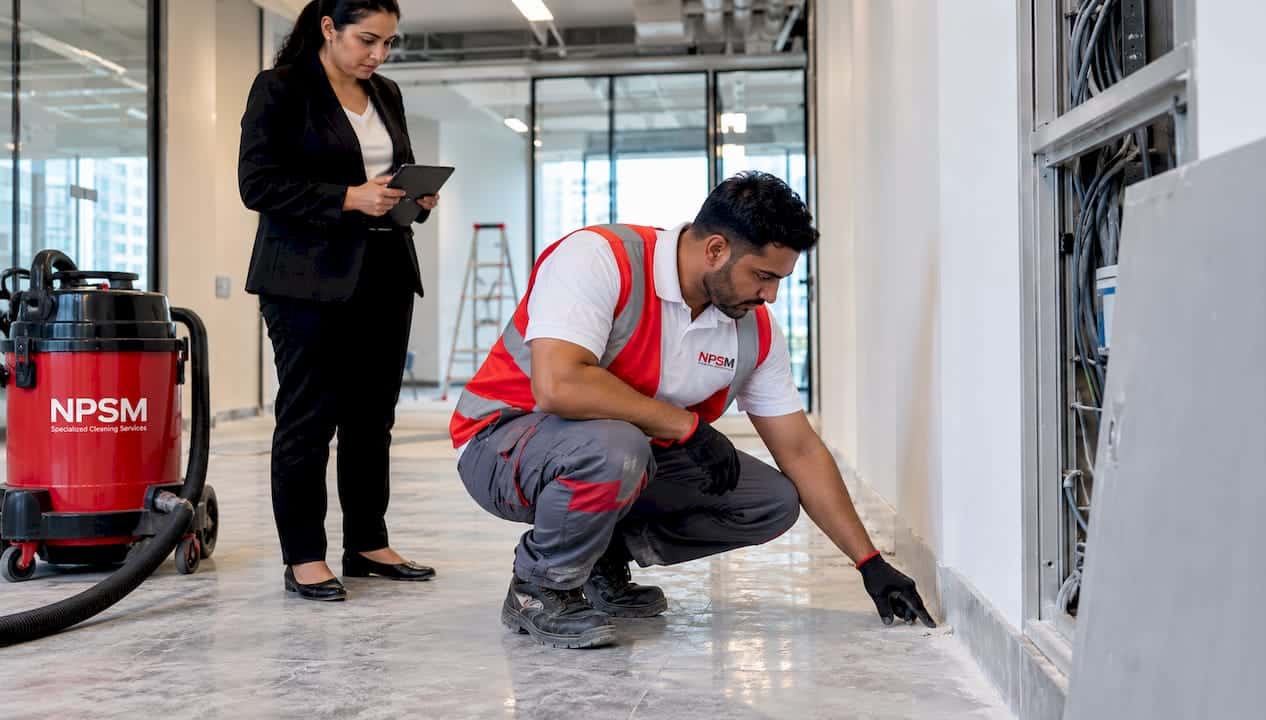
For renovation and construction companies, the moment a project wraps up is a complex mix of triumph and meticulous detail. The last nail is hammered, the final coat of paint applied, and the heavy machinery departs. But before the client’s awe, before the celebratory ribbon-cutting, there’s a crucial, often overlooked, phase: post-construction cleaning.
This isn’t just a quick sweep; it’s the critical bridge between a construction site and a sparkling, ready-for-occupancy space. For discerning construction companies and renovation specialists in Dubai and across the UAE, partnering with a professional post-construction cleaning service isn’t merely a convenience—it’s a strategic move that elevates your brand, streamlines your project timelines, and ensures client satisfaction.
The Unseen Mess: Why "Do-It-Yourself" Isn't Enough After Construction
Imagine handing over a newly constructed villa or a freshly renovated office. What’s the first thing the client sees? Not just the new fixtures or the impressive architecture, but the lingering dust, the paint splatters, the adhesive residue, the sawdust embedded in corners, and the faint smell of construction materials. These aren’t just minor imperfections; they’re glaring signs of an unfinished job, potentially dulling the shine of weeks or months of hard work.
Many general contractors and renovation firms might try to handle this final cleanup themselves. They might assign junior staff or hire temporary helpers for a quick tidy-up. However, this approach often falls short for several important reasons:
Specialized Knowledge and Equipment: Construction mess isn’t like everyday dirt. It requires specialized cleaning products to remove grout haze without harming tiles, powerful industrial vacuums to tackle fine drywall dust that settles everywhere, and the right tools to safely clean high windows and intricate light fixtures. Standard mops and buckets simply won’t get the job done right.
Time and Efficiency: Your skilled laborers are valuable assets. Their time is best spent on what they do best: building and renovating. Pulling them away for extensive cleaning tasks is inefficient and costly. A dedicated cleaning crew can complete the job much faster and more thoroughly.
Safety Protocols: Post-construction sites can still have hidden dangers. Loose nails, broken glass, and tiny airborne particles require trained personnel who understand safety rules, wear proper protective gear (PPE), and know how to dispose of hazardous waste safely.
Attention to Detail: The difference between a “clean” space and a “spotless” space lies in the details. Professional post-renovation cleaning services meticulously address every hidden spot, from inside cabinets and drawers to light fixtures and air vents, ensuring a truly move-in-ready condition.
The Partnership Advantage: How Professional Cleaning Benefits Your Business
Partnering with a dedicated post-construction cleaning company offers clear, long-term benefits that directly improve your profits, reputation, and the smooth operation of your projects.
1. Elevate Your Project Handover and Client Satisfaction
The handover is your final chance to make a great impression. A pristine, sparkling space speaks volumes about your commitment to quality and attention to detail. When a client walks into a truly clean property, their immediate reaction is one of satisfaction and delight. This positive experience directly leads to:
Stronger Client Testimonials: Happy clients are your best promoters. A smooth, spotless handover often results in glowing reviews and recommendations, which are vital for attracting new business.
Reduced Callbacks: Clients are less likely to notice “missed” cleaning spots days or weeks after moving in, reducing costly and time-consuming return trips for your team.
Enhanced Brand Reputation: In a competitive market like Dubai’s construction industry, reputation is everything. Delivering a project that is not just well-built but also immaculately clean sets you apart as a top construction firm committed to excellence from start to finish.
2. Streamline Your Project Timelines and Boost Efficiency
Time is profit in construction. Delays in the final cleaning phase can push back occupancy dates, leading to penalties or frustrated clients.
Faster Turnaround: Professional cleaners work efficiently and can often complete the cleaning phase more quickly than an in-house team, helping you meet your tight project deadlines.
Optimized Labor Allocation: Free up your skilled construction workers to move on to the next project sooner, making the most of their productivity and increasing your overall project capacity.
Predictable Scheduling: A reliable cleaning partner fits seamlessly into your project schedule, providing a predictable and dependable service that minimizes unexpected delays. This is especially valuable for large-scale commercial construction projects or residential developments.
3. Mitigate Risks and Ensure Safety
Construction sites, even after the main work is done, can still have dangers. Fine dust can irritate lungs or even pose a health risk, while stray debris can cause tripping hazards.
Health and Safety Compliance: Professional deep cleaning services understand the specific health and safety rules related to construction environments. They use appropriate protective gear, proper ventilation techniques, and safe disposal methods for construction waste.
Reduced Liability: By ensuring a thoroughly clean and safe environment, you reduce potential liabilities related to accidents or health issues arising from leftover construction materials.
Dust Control: Specialized vacuums and cleaning techniques significantly reduce airborne dust, creating a healthier environment for both your team during final inspections and for the eventual occupants.
4. Cost-Effectiveness in the Long Run
While paying for professional cleaning might seem like an extra expense at first, consider the hidden costs of trying to do it yourself:
Labor Costs: Paying your skilled tradespeople to clean is paying them for a task below their pay grade, effectively wasting valuable resources.
Equipment and Supplies: Investing in and maintaining specialized cleaning equipment, as well as stocking a wide array of industrial-grade cleaning solutions, is a significant ongoing cost for a function that isn’t your core business.
Damage Control: Improper cleaning techniques can accidentally damage new surfaces, leading to expensive repairs or replacements. Professionals are trained to clean various materials without causing harm.
Time is Profit: The efficiency gains and faster project turnovers directly translate into more profitable projects overall.
What to Look for in a Post-Construction Cleaning Partner
Choosing the right partner is crucial. Here are key things to consider for construction companies and property developers seeking a reliable cleaning service:
Experience in Post-Construction: Make sure they specialize in post-construction cleaning, not just general office cleaning. This shows they understand the unique challenges and needs of construction sites.
Comprehensive Service Offering: Do they offer a full-service clean, including window cleaning, floor care, high dusting, debris removal, and sanitization? A truly comprehensive service means one less thing for you to worry about.
Trained and Vetted Staff: Ask about their training programs, background checks for employees, and how they follow safety standards. You want a team you can trust on your valuable properties.
Specialized Equipment and Eco-Friendly Products: Do they use industrial-grade equipment and, importantly, environmentally friendly cleaning solutions? This is increasingly important for sustainable building projects and for the health of your clients.
Flexibility and Reliability: Can they adapt to your project timelines, even if they change? Are they known for being on time and providing consistent quality?
Insurance and Licensing: Confirm they are fully insured and licensed to operate in Dubai and across the UAE. This protects both parties.
References and Testimonials: Ask for references from other construction firms or property management companies they’ve worked with.
Our Commitment: Your Partner in Pristine Handover
At NPSM Specialized Cleaning Services LLC, we understand the intricate dance of construction project management. We know that the final clean is more than just removing dust—it’s about perfecting the canvas you’ve meticulously crafted.
We pride ourselves on being more than just a cleaning service; we are a strategic partner for renovation contractors and commercial construction companies in Dubai and across the UAE. Our team of highly trained and experienced professionals specializes exclusively in post-construction cleaning. We arrive with state-of-the-art equipment, industry-leading eco-friendly solutions, and a meticulous eye for detail, ensuring every surface gleams.
From removing stubborn paint splatters and adhesive residues to deep cleaning ventilation systems and polishing all fixtures, we leave no stone unturned. Our goal is to provide a seamless, stress-free transition from construction zone to client-ready masterpiece.
Ready to Elevate Your Next Project?
Don’t let the final stage of your project be an afterthought. Partner with a professional cleaning service that understands your needs and contributes directly to your success. By entrusting us with your post-construction deep cleaning, you can focus on what you do best: building exceptional spaces.
Let’s discuss how we can integrate our specialized cleaning solutions into your upcoming projects, providing you with a reliable, efficient, and cost-effective service that truly puts the finishing touches on your hard work.
Contact NPSM Specialized Cleaning Services LLC today for a no-obligation quote and discover the difference a truly professional post-construction clean can make for your next successful handover.
Call us directly at +971567166796 or our landline: +97145910595.
In a city like Dubai, where the desert environment contributes to dust, sand, and allergens infiltrating indoor spaces, maintaining clean air inside your home or office is more important than ever. One often overlooked aspect of indoor air hygiene is the cleanliness of your HVAC duct system.
HVAC (heating, ventilation, and air conditioning) ducts are responsible for circulating air throughout your property. Over time, these ducts accumulate dust, pet dander, mold, bacteria, and other airborne contaminants. If left uncleaned, these pollutants can affect not just your indoor air quality but also the health of the people living or working inside the premises.
In this blog, we’ll cover the 7 key benefits of regular HVAC duct cleaning in Dubai and why it’s essential for both residential and commercial properties.
Improved Indoor Air Quality
The most immediate and noticeable benefit of regular duct cleaning is the significant improvement in indoor air quality (IAQ). As your HVAC system circulates air, it also distributes any contaminants trapped within its ductwork. This includes:
Dust and debris can restrict airflow inside the ducts, forcing your HVAC system to work harder to maintain the desired temperature. When airflow is compromised, it can lead to uneven heating or cooling and unnecessary strain on the system.
Clean ducts improve air circulation, allowing your HVAC system to run efficiently and maintain indoor comfort with less effort. This means quicker cooling during Dubai’s scorching summer months and better heating during cooler months.
3. Reduction in Energy Bills
An efficient HVAC system translates directly to lower energy consumption. When airflow is unrestricted, your system requires less power to circulate air throughout the building. On the contrary, dirty ducts can lead to a 20-30% increase in energy usage.
By investing in regular duct cleaning, especially in Dubai’s dusty environment, you’ll experience a noticeable reduction in your electricity bills.
4. Eliminates Allergens and Respiratory Irritants
Allergens such as pollen, mold, and dust mites often accumulate in HVAC ducts, especially in homes with pets or in areas prone to high humidity. Every time the system runs, these allergens are circulated throughout the property, which can trigger asthma, sinus infections, and other respiratory problems.
For those with allergies, elderly residents, or children, duct cleaning is not just maintenance — it’s a health necessity.
5. Removes Unpleasant Odors
Stale smells, moldy odors, and even pet smells can linger inside HVAC ducts. If you’ve ever noticed a musty scent when your AC turns on, your ducts may be the culprit. This is often caused by
Mold growth inside damp ducts
Bacteria from accumulated debris
Cigarette smoke
Pet fur and urine particles
Professional HVAC duct cleaners in Dubai use industrial-grade vacuums and sanitizing agents to thoroughly clean and deodorize the ductwork.
6. Less Dust Accumulation on Surfaces
If your furniture seems to get dusty soon after cleaning, your dirty air ducts might be to blame. Contaminants sitting inside the ducts are blown into the air and settle on your floors, tables, and other surfaces.
Clean ducts reduce airborne dust levels, meaning your interiors stay cleaner for longer. This is particularly beneficial in offices or showrooms, where cleanliness and presentation are key.
7. Extends the Lifespan of Your HVAC System
HVAC systems are a major investment — and like all machines, they work best when they’re well-maintained. Dirty ducts contribute to mechanical wear and tear by increasing strain on fans, coils, and filters. Over time, this can lead to breakdowns, expensive repairs, or even premature system failure.
Routine duct maintenance helps protect your HVAC unit and extend its useful life, ensuring better performance and fewer service calls.
Why HVAC Duct Cleaning Is Crucial in Dubai
Dubai’s environmental conditions make regular duct cleaning more important than in other regions:
High dust levels: Frequent sandstorms and construction dust infiltrate indoor spaces
High humidity: Promotes mold and mildew growth in ducts
Long AC usage: Systems run year-round, accelerating buildup inside ducts
That’s why NPSM Specialized Cleaning Services LLC offers certified HVAC duct cleaning in Dubai, designed for both residential villas and commercial properties.
When Should You Clean Your HVAC Ducts?
While there’s no one-size-fits-all answer, experts recommend duct cleaning every 12 to 18 months, or immediately if you notice:
Musty or foul odors
Increased allergy symptoms
Visible mold growth in vents
Excessive dust buildup around air outlets
Poor HVAC airflow or rising energy bills
Need an inspection? Schedule a free site visit with our team today.
Final Thoughts
Regular HVAC duct cleaning is one of the simplest ways to:
✅ Enhance your indoor air quality ✅ Lower energy bills ✅ Improve system performance ✅ Reduce allergens ✅ Keep your home or office clean and healthy
Introduction Dubai’s fast-paced business environment demands clean, organized, and hygienic workplaces to ensure employee productivity and leave lasting impressions on clients. NPSM Specialized Cleaning Services LLC understands the unique needs of businesses in Dubai and offers a suite of commercial cleaning solutions designed to meet these requirements. From Office Janitorial Services to specialized Carpet Shampooing, Office Deep Cleaning, and Manpower Supply, our services are tailored to ensure spotless and functional office spaces.
We delve into the importance of professional commercial cleaning, highlight our services, and explain why NPSM is the trusted choice for businesses across Dubai.
The Importance of Professional Commercial Cleaning Services
Maintaining a clean workspace goes beyond appearances—it directly impacts employee morale, health, and overall productivity. Dubai’s humid climate can lead to dust accumulation and other environmental factors, making regular cleaning essential. Here’s why professional cleaning is a must:
Health and Hygiene: A clean office reduces the spread of germs, ensuring a healthier workforce.
Enhanced Productivity: Organized and clutter-free spaces boost focus and efficiency.
Professional Image: Clean premises leave a positive impression on clients and partners.
Our Comprehensive Commercial Cleaning Solutions
1. Office Janitorial Services
A well-maintained office speaks volumes about your business. Our Office Janitorial Services include routine cleaning tasks like:
Dusting and sanitizing workstations, furniture, and fixtures.
Cleaning and disinfecting restrooms, kitchens, and common areas.
Waste management and recycling.
Regular restocking of essentials like tissues, soap, and hand sanitizers.
Our trained janitors work seamlessly during office hours or after hours to minimize disruption, ensuring your workspace remains pristine at all times.
2. Carpet Shampooing
Office carpets endure high foot traffic, leading to stains, dirt accumulation, and unpleasant odors. Our professional Carpet Shampooing service ensures:
Deep cleaning to remove embedded dirt and allergens.
Restoration of carpet texture and appearance.
Extended lifespan of carpets with eco-friendly cleaning solutions.
With advanced equipment and specialized techniques, we guarantee carpets that look as good as new.
3. Office Deep Cleaning
Sometimes, routine cleaning isn’t enough to tackle deeply embedded grime and hidden dirt. Our Office Deep Cleaning services cover every nook and cranny, including:
Cleaning air vents, lighting fixtures, and hard-to-reach areas.
Scrubbing and polishing floors, tiles, and walls.
Sanitizing office equipment like telephones, printers, and computers.
Eliminating dust and allergens from shelves and storage spaces.
Deep cleaning is ideal for quarterly maintenance or pre/post-event cleaning to restore your office’s cleanliness to its peak.
4. Manpower Supply (Office Boy / Office Girl / Cleaner)
Staffing your office with reliable personnel is critical for seamless operations. Our Manpower Supply services provide well-trained and experienced:
Office Boys and Office Girls for tasks like serving refreshments, handling couriers, and maintaining cleanliness.
Cleaners to ensure daily upkeep of your premises.
We ensure that all personnel are professional, courteous, and equipped to meet your specific requirements.
At NPSM, we prioritize quality, reliability, and customer satisfaction. Here’s what sets us apart:
Experienced Team: With over 15 years of collective experience, we’ve served numerous businesses across Dubai.
Eco-Friendly Practices: We use sustainable cleaning products and methods to protect the environment and your health.
Tailored Solutions: We customize our services to suit the size and nature of your business.
Advanced Technology: From state-of-the-art carpet cleaning machines to high-grade disinfectants, we employ the latest tools to deliver impeccable results.
Industries We Serve
Our commercial cleaning services cater to a wide range of industries, including:
Corporate offices and co-working spaces.
Retail outlets and showrooms.
Hospitality establishments like hotels and restaurants.
Educational institutions and healthcare facilities.
How Our Services Benefit Your Business
Cost Savings: Regular cleaning reduces wear and tear on office furniture and equipment.
Compliance: Adhere to Dubai’s strict hygiene and safety regulations with professional cleaning.
Custom Scheduling: Flexible cleaning schedules minimize disruption to your operations.
Focus on Core Tasks: Outsourcing cleaning allows your team to concentrate on what they do best.
FAQs
How often should an office opt for deep cleaning? We recommend deep cleaning every 3-6 months, depending on the office size and foot traffic.
Are your cleaning products safe for office environments? Yes, we use eco-friendly and non-toxic cleaning products safe for employees and office equipment.
Can I customize your janitorial services? Absolutely! Our services can be tailored to meet your specific requirements, whether daily, weekly, or monthly.
Do you offer emergency cleaning services? Yes, we provide quick response times for urgent cleaning needs like spills or post-event cleanup.
What training do your manpower supply staff undergo? Our staff undergo comprehensive training in office etiquette, cleaning techniques, and customer service.
Conclusion
Investing in professional commercial cleaning services ensures a healthier, more productive work environment and a polished image for your business. At NPSM Specialized Cleaning Services LLC, we are committed to delivering unmatched cleaning solutions tailored to your needs.
Ready to transform your workplace? Contact us today to learn more about our Office Janitorial Services, Carpet Shampooing, Office Deep Cleaning, and Manpower Supply solutions in Dubai. Let us help you create a cleaner, brighter, and more efficient workspace!
Dubai, known for its luxury and modernity, demands the highest standards in every aspect of life, including cleanliness. Whether you’re a resident or a business owner, maintaining a pristine environment is essential. This is where deep cleaning services in Dubai come into play. Unlike regular cleaning, professional deep cleaning goes beyond the surface, targeting every nook and cranny, ensuring a thorough and hygienic environment.
In this article, we’ll explore the importance of deep cleaning, the benefits it offers, and how NPSM Specialized Cleaning Services can help you maintain a spotless space in various areas of Dubai, including Mudon, Mira, Barsha South, Jumeirah Golf Estate, and Business Bay.
Understanding Deep Cleaning: What Is It?
Deep cleaning is an intensive cleaning process that targets areas often overlooked during regular cleaning. It involves the use of specialized equipment and cleaning agents to remove dirt, grime, and bacteria from hard-to-reach places. This process is essential for maintaining a healthy and hygienic environment, especially in a city like Dubai, where dust and pollutants can accumulate quickly.
Why Is Deep Cleaning Important?
Health and Hygiene: Regular cleaning might not be enough to eliminate all germs and bacteria. Deep cleaning ensures that even the most hidden areas are sanitized, reducing the risk of infections and allergies.
Improved Air Quality: Dust and allergens can accumulate over time, affecting indoor air quality. Deep cleaning helps remove these pollutants, ensuring a cleaner and healthier living or working environment.
Prolonged Life of Furniture and Appliances: Dirt and grime can wear down furniture and appliances over time. Deep cleaning helps maintain them, extending their lifespan and saving you money in the long run.
Aesthetics: A thoroughly cleaned space looks more appealing and professional, whether it’s a home or an office.
Areas We Serve: Tailored Deep Cleaning Solutions Across Dubai
At NPSM Specialized Cleaning Services, we understand that every area in Dubai has its unique challenges when it comes to cleanliness. That’s why we offer tailored deep cleaning services across various neighborhoods, ensuring that your specific needs are met.
1. Mudon Mudon, a vibrant community in Dubailand, is known for its family-friendly environment. However, the area’s rapid development and construction activities can lead to dust accumulation. Our deep cleaning services in Mudon are designed to tackle these challenges, ensuring a dust-free and healthy home for you and your family. From cleaning air ducts to sanitizing kitchens and bathrooms, we cover it all.
2. Mira Mira, located in the heart of Reem, is another family-oriented community that requires regular deep cleaning. With its lush green parks and outdoor spaces, it’s easy for dust and allergens to find their way into homes. Our deep cleaning services in Mira focus on eliminating these allergens, providing a safe and clean environment for you and your loved ones.
3. Barsha South Barsha South is a growing residential area with a mix of villas and apartment buildings. The area’s ongoing construction projects can lead to increased dust and debris. Our deep cleaning services in Barsha South ensure that every corner of your home or office is free from dust, dirt, and allergens. We pay special attention to high-traffic areas like kitchens and living rooms, ensuring a spotless and hygienic space.
4. Jumeirah Golf Estate Jumeirah Golf Estate is a luxury residential community surrounded by greenery and golf courses. However, the presence of outdoor spaces can lead to dust and pollen entering homes. Our deep cleaning services in Jumeirah Golf Estate are tailored to address these issues, ensuring that your home remains a clean and healthy haven. We use eco-friendly deep cleaning products to protect both your home and the environment.
5. Business Bay As one of Dubai’s commercial hubs, Business Bay requires specialized deep cleaning services to maintain the high standards expected in a business environment. Our deep cleaning services in Business Bay focus on office spaces, ensuring that your workspace is clean, organized, and conducive to productivity. We also offer flexible scheduling to minimize disruption to your business operations.
The NPSM Difference: Why Choose Us?
At NPSM Specialized Cleaning Services, we pride ourselves on delivering top-notch deep cleaning services in Dubai. Here’s what sets us apart:
Experienced Team: Our team consists of highly trained professionals with extensive experience in deep cleaning. We use the latest equipment and techniques to ensure that every job is completed to the highest standard.
Customized Cleaning Plans: We understand that every space is unique, which is why we offer customized cleaning plans tailored to your specific needs. Whether it’s a residential property in Mudon or a commercial space in Business Bay, we have the expertise to handle it all.
Eco-Friendly Products: We care about the environment as much as you do. That’s why we use eco-friendly deep cleaning products that are safe for both your space and the planet.
Flexible Scheduling: We offer flexible scheduling options to ensure that our services fit seamlessly into your routine. Whether you need deep cleaning during the day, evening, or weekends, we’re here to accommodate your needs.
Satisfaction Guaranteed: Your satisfaction is our top priority. We go above and beyond to ensure that every client is happy with our services. If you’re not satisfied with the results, we’ll work with you to make it right.
How to Book Our Deep Cleaning Services in Dubai
Booking our deep cleaning services is easy. Simply contact us via phone or email, and our friendly customer service team will assist you in scheduling an appointment. We’ll also provide you with a free consultation and quote based on your specific needs.
Conclusion: Invest in a Cleaner, Healthier Space Today
Deep cleaning is not just about aesthetics; it’s about creating a healthier and more comfortable living or working environment. Whether you’re in Mudon, Mira, Barsha South, Jumeirah Golf Estate, or Business Bay, NPSM Specialized Cleaning Services is here to help you maintain a spotless space. Our tailored deep cleaning services in Dubai are designed to meet the unique challenges of each area, ensuring that you get the best results every time.
Don’t wait until dirt and grime take over your space. Contact NPSM Specialized Cleaning Services today and experience the difference that professional deep cleaning in Dubai can make.
Deep cleaning is a comprehensive cleaning process that goes beyond the surface level, targeting areas that are often overlooked during regular cleaning routines. Unlike standard cleaning, which typically focuses on visible surfaces, deep cleaning delves into the nooks and crannies of a space, ensuring that every corner is free of dirt, dust, and grime. This type of cleaning involves the use of specialized cleaning agents and professional techniques to achieve a higher level of cleanliness.
One of the key elements of deep cleaning is its attention to hard-to-reach areas. These are places that are not typically addressed during routine cleaning, such as behind appliances, under furniture, and inside vents. By thoroughly cleaning these areas, deep cleaning services can significantly reduce the accumulation of dust and allergens, leading to a healthier environment for both homes and businesses.
Another critical aspect of deep cleaning is the use of specialized cleaning agents. These products are designed to tackle tough stains, eliminate harmful bacteria, and sanitize surfaces more effectively than regular household cleaners. Professional deep cleaning services in Dubai employ these agents to ensure that spaces are not only clean but also hygienic.
The techniques used in deep cleaning also set it apart from regular cleaning. Professional cleaners are trained to use advanced equipment and methods to achieve optimal results. This may include steam cleaning, high-pressure washing, and other techniques that are not typically part of a standard cleaning regimen.
Deep cleaning is particularly relevant for homes and businesses in Dubai due to the unique climate and local lifestyle. The arid environment can lead to a higher accumulation of dust and sand, making regular deep cleaning essential to maintain a clean and healthy living or working space. Additionally, the busy lifestyle in Dubai often leaves little time for thorough cleaning, making professional deep cleaning services a valuable resource for maintaining cleanliness and hygiene.
Health Benefits of Deep Cleaning
Engaging in regular deep cleaning services offers substantial health benefits for both residential and commercial spaces. In environments like Dubai, where dust and sand are prevalent, thorough cleaning goes beyond surface tidiness, addressing hidden contaminants that can impact health.
Deep cleaning involves meticulous attention to areas often overlooked during routine cleaning, such as under furniture, behind appliances, and within air ducts. By targeting these areas, deep cleaning services effectively eliminate germs, bacteria, and viruses that can accumulate over time. This is particularly significant in Dubai’s climate, where high temperatures and humidity can foster the growth of harmful microorganisms.
For residents, maintaining a clean home is crucial to ensuring a healthy living environment. Deep cleaning helps to eradicate allergens such as dust mites, pet dander, and mold, which can trigger asthma and other respiratory issues. In Dubai, where sandstorms are common, deep cleaning becomes essential to remove fine particles that infiltrate homes, contributing to indoor air pollution. Improved air quality can lead to better respiratory health, reduced allergy symptoms, and overall enhanced well-being.
Similarly, commercial deep cleaning is vital for businesses, especially those in the hospitality and healthcare sectors. Regular deep cleaning ensures a sterile environment, reducing the risk of infections and providing a safe space for both employees and clients. For instance, in office settings, deep cleaning of workspaces and communal areas can prevent the spread of viruses and bacteria, thereby reducing sick days and boosting productivity.
In addition to these benefits, professional deep cleaning services in Dubai utilize advanced techniques and eco-friendly products to ensure thorough sanitation without compromising environmental safety. This comprehensive approach not only protects health but also extends the lifespan of furniture and fixtures by preventing the buildup of dirt and grime.
Overall, whether for a villa or a commercial space, deep cleaning services play an indispensable role in maintaining a healthy environment, enhancing indoor air quality, and promoting overall health and well-being in the unique climate of Dubai.
Enhanced Aesthetic Appeal
Regular deep cleaning services can dramatically elevate the aesthetic appeal of both homes and businesses. Unlike routine cleaning, which often addresses only surface-level dirt and grime, deep cleaning delves into the nooks and crannies, removing hidden dust, allergens, and stubborn stains. This comprehensive approach results in an environment that not only looks pristine but also feels fresh and inviting.
For businesses, maintaining a clean and polished appearance is crucial in creating a positive first impression. Customers are more likely to frequent establishments that exude cleanliness and professionalism. A spotless environment can also enhance customer perceptions, leading to increased satisfaction and loyalty. In the competitive market of Dubai, commercial deep cleaning can set a business apart, showcasing a commitment to excellence and attention to detail.
In homes, deep cleaning services in Dubai can significantly improve the living ambiance. Clean, well-maintained spaces contribute to a sense of comfort and well-being. Removing accumulated dirt and allergens can also create a healthier environment, reducing the risk of illnesses and allergies. For villa owners, villa deep cleaning ensures that the luxurious interiors are preserved, maintaining their beauty and value over time.
Furthermore, the impact of a clean environment extends to employee morale in business settings. A thoroughly cleaned workplace can boost productivity and job satisfaction. Employees are more likely to feel valued and motivated when they operate in a hygienic and organized space. This, in turn, can lead to better performance and lower absenteeism, ultimately benefiting the business.
In essence, the difference between a superficially clean space and one that has undergone deep cleaning is palpable. The latter not only addresses visible dirt but also tackles underlying issues, resulting in a truly immaculate and appealing environment. Regular deep cleaning services are an investment in the long-term aesthetic and functional quality of homes and businesses alike.
Longevity of Property and Assets
Regular deep cleaning services play a crucial role in extending the lifespan of furniture, appliances, and other assets in both residential and commercial settings. In Dubai, where the climate can be harsh and dust accumulation is a constant concern, thorough cleaning goes beyond surface-level tidying to address the hidden grime and buildup that can cause premature wear and tear.
For instance, air conditioning units, which are essential in Dubai’s hot climate, can suffer from reduced efficiency and a shorter operational life if not properly maintained. Dust and dirt buildup can clog filters and obstruct airflow, leading to increased energy consumption and potential breakdowns. Periodic deep cleaning of these units ensures that they operate at optimal performance, thereby extending their functional lifespan and saving on costly repairs or replacements.
Similarly, carpets and upholstery are prone to trapping dust, allergens, and other contaminants within their fibers. Over time, this buildup can lead to fabric deterioration and unpleasant odors. Deep cleaning services utilize specialized equipment and techniques to extract deep-seated dirt, effectively rejuvenating these materials and preventing long-term damage. This not only enhances the appearance and comfort of living or working spaces but also protects the investment made in these furnishings.
In commercial environments, deep cleaning is equally important for maintaining the integrity of office equipment and furnishings. Desks, chairs, and electronic devices can accumulate dust and grime that, if left unchecked, may impair functionality and appearance. Regular deep cleaning helps to preserve the condition of these assets, ensuring a cleaner, healthier workspace and reducing the need for frequent replacements.
Thus, investing in deep cleaning services in Dubai is a proactive measure to safeguard valuable property and assets. By removing harmful buildup, deep cleaning helps to maintain the quality and longevity of various items, ultimately leading to cost savings and a more pleasant environment for occupants.
Improved Productivity in Workspaces
A clean and organized workspace is essential for fostering productivity and efficiency within any business environment. Deep cleaning services play a crucial role in maintaining this standard, particularly in a bustling metropolis like Dubai. Numerous studies have shown a direct correlation between a clean working environment and enhanced employee productivity. For instance, a study conducted by the Harvard Business Review found that employees’ cognitive performance improved significantly in a cleaner workspace.
One of the primary benefits of commercial deep cleaning is the reduction in sick days among employees. A clean environment minimizes the presence of harmful bacteria and viruses, leading to a healthier workforce. According to the American Journal of Infection Control, workplaces that implement regular deep cleaning services experience a 46% reduction in absenteeism due to illness. In Dubai’s competitive business landscape, maintaining a healthy workforce can lead to a substantial increase in overall productivity and efficiency.
Furthermore, a well-maintained workspace is pivotal in creating a pleasant and inviting atmosphere. This not only boosts employee morale but also enhances their overall job satisfaction. Employees are more likely to take pride in their work and exhibit higher levels of engagement when their environment is clean and organized. This is particularly relevant in Dubai, where the business culture places a strong emphasis on professionalism and excellence.
In addition, deep cleaning services in Dubai cater to the unique needs of various business environments, including offices, retail spaces, and industrial facilities. They ensure that every nook and cranny is thoroughly cleaned, leading to a significant improvement in indoor air quality. This, in turn, reduces the risk of respiratory issues and enhances the overall well-being of employees.
In conclusion, investing in regular commercial deep cleaning services is a strategic move for businesses in Dubai. It not only promotes a healthier and more productive workforce but also aligns with the city’s high standards of cleanliness and professionalism.
Environmental Impact and Sustainability
In the context of deep cleaning services, the environmental impact and sustainability of the practices and products used are paramount. Utilizing eco-friendly cleaning products, such as biodegradable detergents and non-toxic solutions, plays a significant role in minimizing the harmful effects on the environment. These green alternatives reduce the release of volatile organic compounds (VOCs) and other pollutants into the air, thereby contributing to better indoor air quality and overall environmental health.
Regular deep cleaning services in Dubai can substantially support sustainability efforts. By opting for eco-friendly methods, businesses and homeowners can reduce their dependence on harsh chemical cleaners, which often lead to the accumulation of hazardous waste. Moreover, sustainably managed deep cleaning practices focus on optimizing water usage and employing reusable cleaning tools, further decreasing environmental strain.
Dubai has been proactive in promoting green cleaning practices through various local initiatives. The Dubai Municipality, for instance, has implemented stringent regulations encouraging the use of environmentally safe cleaning products and methods. These regulations aim to ensure that commercial deep cleaning and villa deep cleaning services adhere to sustainable practices that safeguard both human health and the environment.
One notable initiative is the Dubai Green Building Regulations and Specifications, which advocate for sustainable building operations and maintenance, including the adoption of eco-friendly cleaning practices. By following such guidelines, businesses and residents contribute to a collective effort to reduce the ecological footprint of cleaning activities in the city.
In summary, the environmental benefits of regular deep cleaning are manifold. By prioritizing the use of eco-friendly products and sustainable methods, homes and businesses in Dubai can significantly reduce their environmental impact. This commitment to green cleaning not only promotes a healthier living and working environment but also aligns with the broader sustainability goals of the community and the city as a whole.
Choosing Professional Deep Cleaning Services
When selecting professional deep cleaning services in Dubai, it is crucial to consider several factors to ensure you receive the best possible service. First and foremost, the reputation of the cleaning company should be a primary consideration. Look for companies with positive customer reviews and testimonials. These reviews can provide valuable insights into the experiences of previous clients and the overall reliability of the service provider.
Another important criterion is the quality of products and equipment used by the cleaning company. It is essential to choose a service that employs high-quality, eco-friendly cleaning products that are safe for both your home or business environment and the health of the occupants. Additionally, the effectiveness of the equipment used can significantly impact the thoroughness and efficiency of the deep cleaning process.
The expertise and professionalism of the staff are also critical elements to evaluate. A reputable deep cleaning service should have well-trained and experienced personnel who understand the intricacies of deep cleaning different types of spaces, whether it be a commercial establishment or a villa. This ensures that the cleaning process is carried out meticulously and meets the specific requirements of your property.
When reading customer reviews, pay attention to the consistency of positive feedback regarding punctuality, attention to detail, and the overall quality of the cleaning service. Reviews that highlight the company’s responsiveness and willingness to address any concerns or issues are also indicative of a reliable service provider.
Lastly, ensure the deep cleaning services you choose can cater to your specific needs. Whether you require commercial deep cleaning, villa deep cleaning, or any other specialized service, the company should offer tailored solutions to meet your requirements. Clear communication with the service provider about your expectations and needs is essential to achieving the desired results.
By considering these factors, you can make an informed decision when choosing professional deep cleaning services in Dubai, ensuring a clean, healthy, and well-maintained environment for your home or business.
Conclusion and Final Thoughts
Regular deep cleaning is essential for maintaining a healthy and appealing environment in both residential and commercial spaces. As discussed, deep cleaning services offer numerous benefits, including the removal of hidden dirt and allergens, which standard cleaning often misses. For homes, especially villas, deep cleaning ensures that every nook and cranny is spotless, enhancing the overall living experience and reducing health risks. Similarly, commercial deep cleaning is crucial for creating a welcoming and safe environment for employees and clients, which can ultimately boost productivity and customer satisfaction.
Incorporating deep cleaning into your routine maintenance not only keeps your space looking pristine but also prolongs the life of your furnishings and infrastructure. Regular deep cleaning can prevent the buildup of grime and the spread of germs, contributing to a healthier environment for everyone. Given the unique climate and conditions in Dubai, professional deep cleaning services in Dubai are particularly beneficial, as they are equipped with the expertise and tools to address specific challenges like sand and dust accumulation.
We encourage you to make deep cleaning a regular part of your maintenance schedule and to consider seeking out professional deep cleaning services when necessary. Professionals can provide a thorough and efficient clean that is often hard to achieve with regular cleaning methods alone. By doing so, you invest in the long-term well-being of your home or business.
If you’re looking to enhance the cleanliness and hygiene of your space, don’t hesitate to explore reputable deep cleaning services in Dubai. Whether you need villa deep cleaning, commercial deep cleaning, or specialized services tailored to your needs, finding a reliable provider can make all the difference. Take the first step towards a cleaner, healthier environment today.