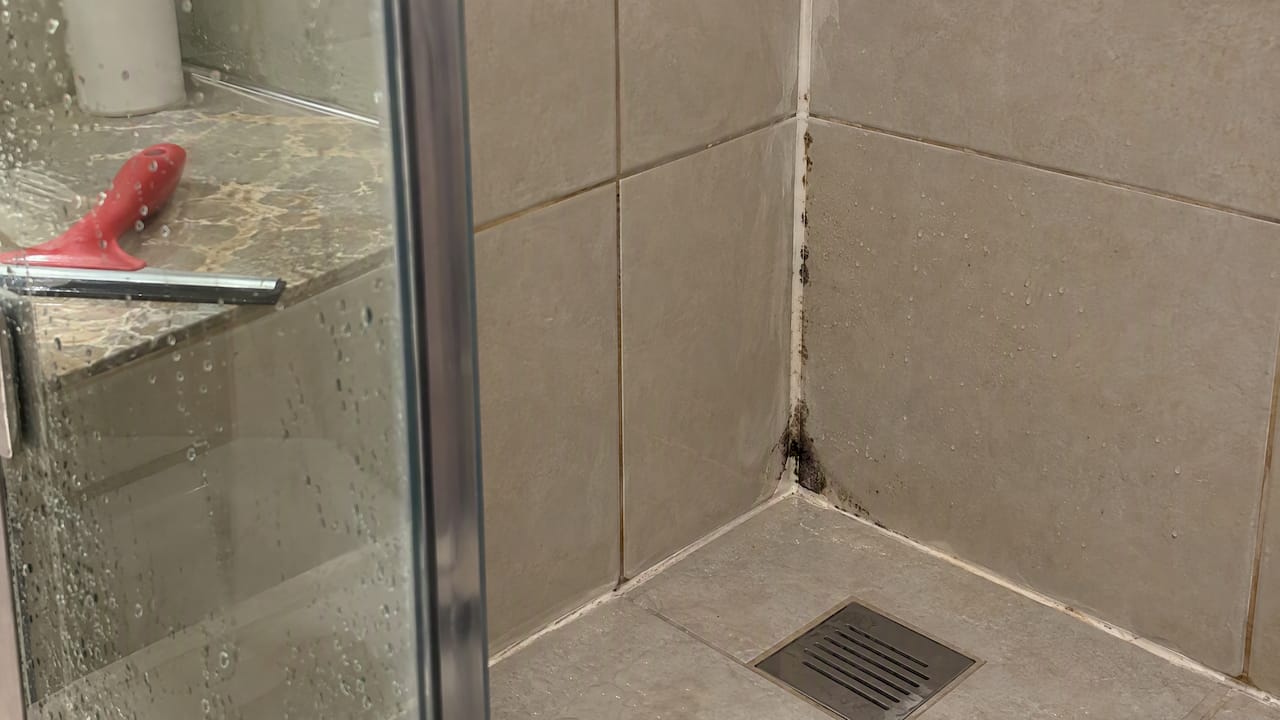
Bathroom mold in Dubai is usually a moisture problem, not a cleaning problem. A patch smaller than about 10 square feet can be wiped off safely with detergent and warm water, then dried completely. Anything larger, anything that returns within weeks, or anything linked to a leak needs a professional assessment of where the moisture is coming from. This guide covers how to tell the difference, how to clean a small patch, and how to keep the bathroom dry in a city where the AC runs almost all year.
Specializedcleaning
Get Help With Complex Cleaning
Specializedcleaning provides residential cleaning in Dubai, with experienced teams and specialized equipment for complex cleaning challenges.
Small patches (under 10 sq ft) on tiles, grout, and sealant can be cleaned by you with mild detergent, warm water, gloves, goggles, and an N95 mask. Dry the surface fully afterward.
Mold that comes back, covers a larger area, or sits on drywall, ceilings, or behind fixtures usually means a leak, poor ventilation, or an AC problem. Cleaning alone will not fix it.
Keep indoor humidity below 60%, ideally between 30% and 50%, run the exhaust fan well after showers, and fix drips early.
Do not switch the AC off when you travel. Dry, still, cool air is what keeps humidity down.
If you are a tenant, report leak-related mold to your landlord or building management in writing and keep photos.
A bathroom has three things mold needs: moisture, a surface to feed on, and still air. Dubai adds a fourth: the temperature gap between a cold, air-conditioned home and hot, humid air outside. Dubai Municipality’s Technical Guideline for Mold Remediation and Control notes that the hot, humid climate makes buildings more susceptible to mold. That is why mold shows up even in new towers and well-kept villas.
In practice, the bathroom problems we see most often come from a few sources:
Steam with nowhere to go. Windowless bathrooms with a weak or blocked exhaust fan hold moisture for hours.
Condensation on cold surfaces. Chilled walls, mirrors, and pipework meet warm, wet air and stay damp.
Slow leaks. A failing silicone seal, a dripping trap, or a cracked pipe joint keeps the wall behind the tile wet.
AC issues. A blocked drain line or a unit that switches on and off too quickly leaves rooms humid.
Empty homes. The AC is switched off during holidays, and humidity builds up unchecked.
Signs to look for
Mold is not always black. The Dubai Municipality guideline lists colored spots or stains, fuzzy or slimy growth, peeling paint or bubbling wallpaper, visible water damage, and a persistent musty smell as the signs to watch for.
In a bathroom, check these places first:
Grout lines at the base of the shower and around the tub.
The silicone bead where the glass, tub, or basin meets the wall.
The ceiling above the shower and near the exhaust fan.
The wall behind the toilet cistern and under the vanity.
The back of the bathroom door and any towel hooks.
The AC vent or diffuser, if one serves the bathroom.
A musty smell with no visible mold is a signal in itself. It often means growth behind a panel, under a vanity, or inside the ceiling void.
Mildew or mold: does it matter?
For a homeowner, the practical distinction is less about the name and more about the size, the surface, and the cause. Light, flat growth on grout or sealant is the easy case. Growth on porous materials such as plasterboard, wood, or ceiling tiles is harder, because spores root into the material and surface wiping will not reach them. You should not try to identify species by color. Black, green, and white growth all call for the same response: find the moisture and remove the growth safely.
How to clean a small patch safely
Dubai Municipality classes areas under 10 square feet as small, and says these are typically handled by building maintenance staff with the necessary precautions. Its guidance for such areas is to use HEPA vacuuming, damp-wipe non-porous and semi-porous surfaces with mild detergent, avoid excessive water, and dry cleaned materials thoroughly.
The American Lung Association gives similar advice for homes. Small surface patches, such as shower mold, can be cleaned with a stiff brush and warm water with mild soap or detergent. For areas under 10 square feet, wear at least gloves, goggles, and an N95 mask, and dry the area completely.
A step-by-step routine
Protect yourself. Put on gloves, goggles, and an N95 mask before you touch anything.
Ventilate. Turn on the exhaust fan and open the window if there is one. Close the bathroom door so spores do not drift into the rest of the home.
Do not dry-brush. Dry scrubbing throws spores into the air. If you have a HEPA vacuum, use it on loose growth first.
Wash with detergent and warm water. Use a stiff brush on grout and a cloth on tile and sealant. Keep water use modest.
Optional mildew treatment. Emaar Community Management suggests a three percent hydrogen peroxide solution for mildew spots. Test it on a hidden corner first, as it can lighten some materials.
Dry completely. Wipe with a clean towel and leave the fan running. Moisture left behind is how mold returns.
Bag and discard cloths. Dispose of used cloths and gloves in a sealed bag.
Recheck in a week. If the stain reappears in the same place, the cause is still there.
What not to do
Do not paint over mold. The coating peels once moisture returns.
Do not clean porous materials that are already damaged and expect them to be saved. The American Lung Association says porous materials that cannot be cleaned or are too damaged to reuse should be discarded.
Do not mix cleaning products. Use one product at a time and follow the label.
Do not clean large areas yourself because you want to avoid a landlord conversation.
When it is time to call a professional
DIY cleaning has limits. The American Lung Association says areas over 10 square feet, and mold caused by sewage, floods, or other contaminated water, call for professional help. Several other situations point the same way:
Mold has spread to the ceiling, behind tiles, or into the wall.
The area returns after you have cleaned it properly twice.
There is a musty smell and no visible source.
Paint is bubbling or plaster is soft, which suggests a hidden leak.
Someone in the home has asthma, allergies, or a weakened immune system. Speak to your doctor about exposure, and arrange the cleanup with a professional.
The bathroom shares a wall or ceiling with a neighbor’s unit.
What professional remediation looks like
The Dubai Municipality guideline describes professional remediation as work done inside containment barriers, such as plastic sheeting or temporary walls, with negative air machines fitted with HEPA filters to stop spores spreading. That is a very different job from wiping a wall. If a quote does not mention containment, source correction, and drying, ask why.
A good assessment answers four questions:
Where is the moisture coming from?
How far has the growth spread, including hidden areas?
Which materials can be cleaned and which must be removed?
What needs to change so it does not return?
Mouldtesting.ae, a UAE specialist, makes the same point: remediation is ineffective if the moisture source is not corrected first, whether that is failed pipework insulation or an AC that short-cycles.
What does mold removal cost in Dubai?
There is no single price, and be wary of any page that gives one without seeing the property. Costs depend on:
Area affected. A few square feet of grout is a small job. A ceiling and wall section is another.
Material. Tile and sealant can be cleaned. Plasterboard, wood, and ceiling tiles may need to be cut out and replaced.
Containment and equipment. Larger jobs need barriers and HEPA air filtration.
Repairs. Fixing a leak, resealing, regrouting, or repainting is usually separate from the cleaning.
Property type. A one-bedroom apartment bathroom and a multi-bathroom villa are not comparable.
Access and timing. Building rules, permits, and working hours in towers and communities affect scheduling.
Ask for a written quote that lists what is included: cleaning, source repair, drying, and any rebuild work. A free site visit is the fairest way to get a number that fits your bathroom.
Prevention that works in Dubai
The Dubai Municipality guideline puts the emphasis on root causes, mainly moisture, dampness, and flooding. For indoor air, it recommends keeping relative humidity below 60%, ideally 30% to 50%. It also advises prompt leak repair, regular cleaning and inspection of HVAC systems, higher-grade MERV filters, and sealing cracks and gaps in the building envelope.
1. Ventilate on purpose
The US EPA says that if bathroom mold reappears, running a fan or opening a window and cleaning more often will usually prevent it or keep it to a minimum. In a Dubai apartment, where windows are often closed, the fan does the work. Run it during the shower and for a good while afterward. Check that it actually pulls air: hold a tissue to the grille. If it barely moves, the duct may be blocked or the unit failing, which is a job for building maintenance.
2. Squeegee and wipe
Ten seconds with a squeegee on glass and tiles removes most of the water that would otherwise sit for hours. Hang towels to dry outside the bathroom, or at least spread them out.
3. Fix drips and seals early
A dripping tap, a weeping trap, or a cracked silicone bead is a slow, constant water source. Replace cracked sealant before it blackens. Watch for paint bubbling on the wall beside a shower.
4. Keep the AC running when you travel
Khaleej Times reports that leaving AC units off during vacations contributes to humidity buildup and mold in Dubai homes, and that setting thermostats to 26 to 28°C is a recommended preventive measure. If you are away for weeks, leave the AC on at a moderate setting and keep bathroom doors slightly open for airflow.
5. Look after the AC itself
The AC is part of the bathroom story. Emaar Community Management advises flushing AC drain lines regularly to prevent moisture build-up. Dirty coils, clogged drains, and dusty ducts leave rooms damp and push spores through the home. Cleaning is part of a prevention plan, not a luxury: see our guides on why HVAC duct cleaning matters in Dubai and the benefits of regular duct cleaning.
6. Measure humidity
A small hygrometer costs little and removes the guesswork. If readings stay above 60% with the AC running, you have a ventilation, leak, or AC sizing problem, not a cleaning problem.
A simple monthly checklist
Task
How often
What you are looking for
Test the exhaust fan with a tissue
Monthly
Weak suction, noise, blocked grille
Inspect silicone and grout
Monthly
Cracks, gaps, dark spots
Check under the vanity and behind the cistern
Monthly
Damp, drips, musty smell
Clean the shower and tiles with detergent
Weekly
Soap scum and early film
Read the hygrometer
Weekly
Humidity above 60%
Flush AC drain line
As advised by your building or technician
Water backing up or stains on ceilings
Apartment or villa: what changes?
Apartments. Many bathrooms are internal with mechanical extraction shared across the building. If the fan is weak, report it to building management. Leaks often come from the unit above, so ask neighbors and management where the water originates.
Villas. Larger footprints mean more bathrooms, more AC zones, and more rooms that sit unused. Guest bathrooms are the usual trouble spots: they are rarely used, rarely ventilated, and often left with the AC off. Run the shower briefly now and then, and keep the AC on in closed-off wings. Roof and external wall leaks, and outdoor drainage near the villa, can also feed damp bathroom walls.
If you are moving in, check bathrooms before you unpack. Deep cleaning at the start, such as move-in and move-out cleaning, is a good moment to inspect grout, sealant, and ceilings for early growth while the rooms are empty.
Tenants and landlords: who acts?
When mold comes from a leak or a building fault, the cleaning is the smaller part of the job. The Dubai Municipality guideline recommends identifying moisture sources and repairing leaks promptly, informing occupants about remediation works, and using restricted access or temporary relocation where needed.
For tenants, a practical sequence:
Photograph the mold, damp patches, and any leaking fixtures, with dates.
Report it in writing to your landlord or property manager and the building’s management office.
Check your tenancy contract for maintenance responsibilities.
Keep the room ventilated and dry while you wait.
Ask for the leak to be repaired before the cleaning, or the growth will return.
For owners and property managers: respond quickly, find the source, and document the repair. Mold left in a vacant unit becomes more expensive with every month.
Perspective: what we see on site
Most mold calls we hear about are the second or third time the owner has cleaned the same patch. The cleaning was fine. The cause was not addressed: a bathroom fan that moves no air, a dirty AC drain, a unit left off for the summer, or a seal that failed behind the tile.
Our approach, after more than 15 years working in Dubai homes and commercial spaces, is to treat the building as a system. Clean what is cleanable, state plainly what needs a repair trade, and look at the AC and ducts because they decide the humidity in every room. A bathroom that is cleaned but still damp will be dirty again by next quarter. If the quote you receive only talks about spraying, ask about the moisture source.
— Qadir
How we can help
We handle the cleaning side of the problem for Dubai homes and businesses: deep cleaning for bathrooms, grout, and tiles, move-in and move-out cleaning, and HVAC duct cleaning when the AC is part of the humidity picture. We offer free consultations, same-day scheduling, and licensed staff. Property managers handling several units can also look at our building cleaning services. Visit our main site to request a consultation.
FAQ
How much does mold removal cost in Dubai?
It depends on the area, the material affected, the equipment required, and any repairs. A small grout and sealant clean is a different job from removing a mold-damaged ceiling. Ask for a written, itemized quote after a site visit.
Can I clean bathroom mold myself?
Yes, if the patch is under about 10 square feet and on a hard surface such as tile or grout. Wear gloves, goggles, and an N95 mask, use detergent and warm water, and dry thoroughly. If it is larger, recurring, or on plasterboard or a ceiling, get an assessment.
Why does mold keep coming back after I clean it?
Because the moisture source is still there. Typical causes are a weak exhaust fan, a leak behind the tile, a blocked AC drain, or humidity above 60%. Fix the cause, then clean.
Is bathroom mold dangerous?
Mold can irritate the airways and aggravate asthma and allergies. If someone in your home has respiratory problems or a weakened immune system, speak to your doctor and avoid cleaning large areas yourself.